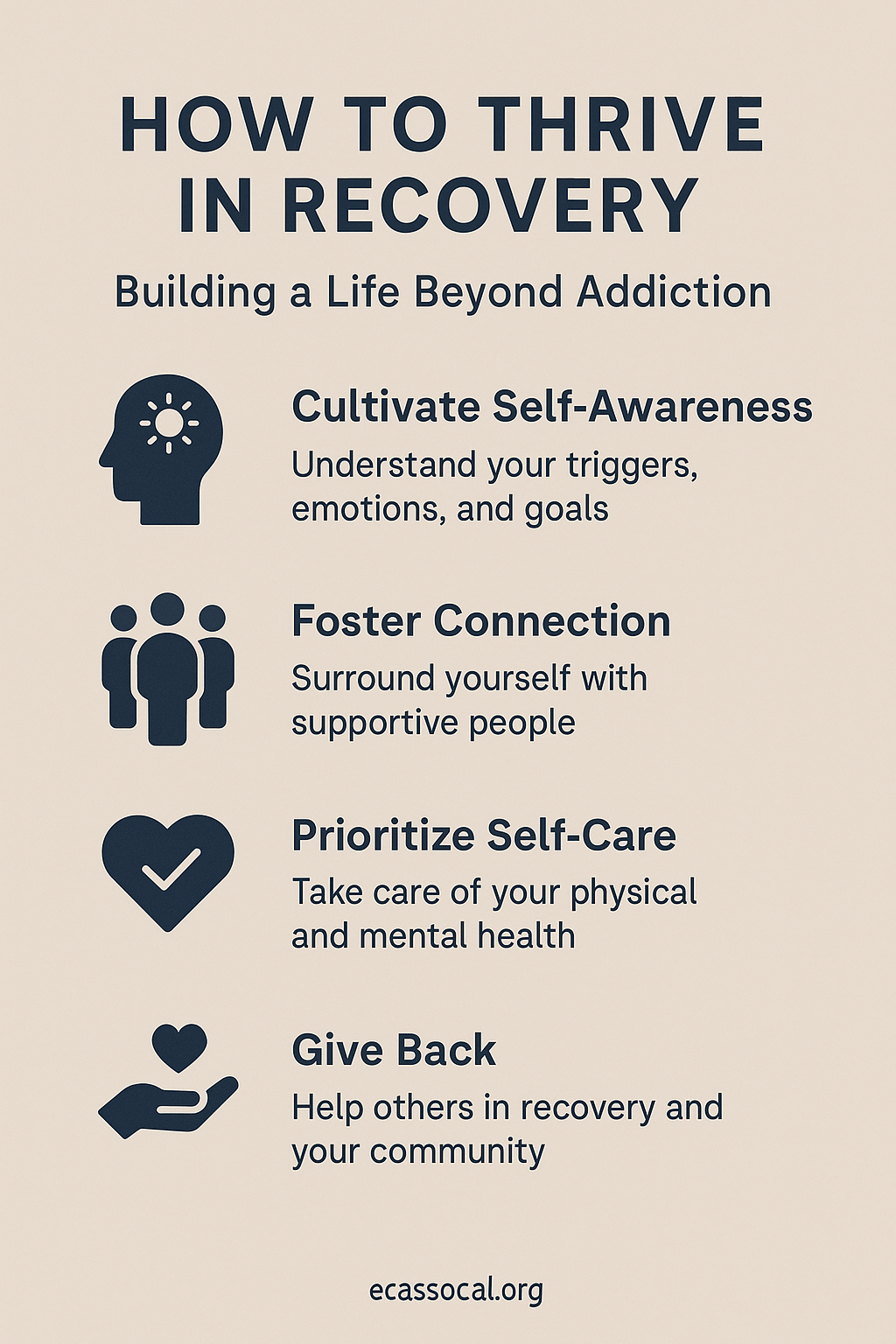
Recovering from addiction isn’t something anyone picks up overnight. Results can be wildly different, even among folks who start on the same day, at the same treatment center, with the same therapy style. You’ll see people who seem to light up with new energy and others who run into the same brick walls, struggling over and over. Recovery can sometimes feel pretty mysterious, but there’s actually a lot that goes into why some people really thrive, while others don’t find their footing.
What Does It Mean to Thrive in Recovery?
Thriving in recovery means more than being sober or ticking off the days. It’s about living a fuller, happier, and more confident life without leaning on old, unhealthy habits. I’ve seen it manifest as someone rebuilding relationships, taking up a new hobby, or simply feeling more hopeful than they have in years. Not everyone reaches their goal at the same pace. Some people feel truly alive in recovery, while others still sense they’re running uphill.
It’s easy to wonder what separates those who seem to soar from those who stay stuck. Thriving often has less to do with “willpower” and more to do with a complex mix of factors, including support, mindset, and the resources people can tap into when they encounter obstacles.
Additionally, thriving looks different for each person. For one person, it might be feeling happy waking up every morning without cravings, while for another, it might mean mending meaningful relationships or enjoying new hobbies. The main point is that thriving involves positive change across various aspects of life, and not just the absence of old, unhealthy habits.
Key Factors That Shape Recovery Success
There’s no single recipe for recovery. But when I talk to folks who are really doing well, a few themes pop up again and again:
- Support System: Having close family, friends, or a recovery group is super important. People who feel truly supported have an easier time asking for help, and that can make all the difference.
- Purpose & Motivation: Folks who know precisely why they want to stay sober—or even have a few good reasons—are more likely to hang in there when things get rough.
- Mental Health & Self-Care: Good mental health care, healthy routines, and coping skills help people avoid slipping back into old patterns.
- Resources & Environment: Access to therapy, a safe place to live, a job, or a positive environment can be game changers. Without these, recovery can feel way harder.
- Personal Growth: Individuals who push themselves to learn about their triggers, establish new habits, and challenge their outdated thinking typically experience steady progress.
Community resources, such as local support groups, faith communities, and sober activities, can make a significant difference here. Some people find encouragement through volunteering, creative outlets, or connecting through online support forums.
Understanding Setbacks: Why Some People Struggle
Not making big leaps in recovery isn’t always about “not trying hard enough.” A multitude of things get in the way. Here are some significant hurdles I’ve noticed in people who aren’t thriving yet:
- Lack of Connection: Isolation can erode people’s well-being during recovery. Without trusted connections, it’s a lot easier to give up or feel like nobody understands.
- Unmanaged Triggers: Everyday stress, challenging emotions, or being around old friends who use can pull people back into old habits before they even realize it.
- Mental Health Barriers: Depression, anxiety, trauma, or ADHD can all make recovery way trickier, even if someone’s genuinely committed.
- Negative Self-Talk: It’s hard to grow if your inner voice constantly tells you you’re doomed to fail.
- Lack of Opportunity: When folks can’t find a job, safe housing, or transportation to a meeting, even the best intentions start to fade.
Sometimes, the stigma around addiction or mental health can make it even harder for people to ask for support or access treatment. Many struggling individuals feel misunderstood and alone, which adds another layer of challenge.
Practical Tools For Thriving in Recovery
While recovery can sometimes feel random, you can stack the odds in your favor. Here’s what I usually suggest for building a strong foundation:
- Find Your Support Crew: Connect with a recovery group, a therapist, or supportive friends and family. Some people start with programs like SMART Recovery or 12-step meetings, but even just one reliable friend can be a significant help.
- Create Structure: Building a simple routine, such as waking up around the same time or cooking your favorite breakfast, helps settle the chaos that can creep in during early recovery.
- Learn Coping Skills: Healthy distractions, such as exercise, journaling, or art, can help you manage challenging days. Try different options until you find what clicks for you.
- Make Goals (That Actually Matter): Write down one small thing you want to achieve this week, maybe going for a walk, fixing a meal, or just calling a friend. Progress is progress, even if it’s not dramatic.
- Open Up About Struggles: Talking honestly about both wins and setbacks helps take the shame out of tough days. Recovery groups often say, “You’re only as sick as your secrets.” There’s a lot of truth to that.
Another great tool is to tap into mindfulness practices. This could be meditation, deep breathing, or even mindful walking. These habits can help you stay present when stress or cravings arise and maintain a steadier mood and motivation in the long run.
Roadblocks To Watch Out For
- Isolation: Solo recovery rarely works. Even if you’re introverted, reaching out here and there (online meetings totally count) can help more than you might think.
- Ignoring Mental Health: If you’re struggling with depression, anxiety, or trauma, quality support such as therapy or medication, if you need it, can really shift things around for the better.
- All or Nothing Thinking: Deciding you’ve “blown it” after a single slip can send you right back into old routines. One mistake never erases everything you’ve built.
- Chasing Perfection: Recovery isn’t about never making mistakes. It’s about learning new ways to respond and getting back on your feet after a tough day.
Long-Term Growth and “Next Level” Recovery
Once the basics are in place, there’s always another layer to recovery. People who truly thrive continue to seek ways to grow, even when significant problems are resolved. Here are some strategies I often see working well for long-term success:
- Learning New Skills: Picking up something totally unrelated to addiction, like a language, hobby, or job skill, reminds you that you’re more than your past.
- Building Healthy Traditions: Celebrating milestones, joining a community event, or even treating yourself to a non-alcoholic favorite drink helps create positive memories connected to sober living.
- Giving Back: Helping others on their recovery journey often gives people a sense of purpose, which in turn helps strengthen their own recovery.
- Staying Curious: Reading new books, trying therapy tools, or exploring different spiritual or mindfulness practices can keep things interesting and meaningful.
Some people find that pursuing new education or switching up their career path brings new energy into their lives. Others get into fitness, reconnect with old friends, adopt pets, or pick up creative projects. Keeping future goals in focus, no matter how small, keeps the spark alive.
Common Questions About Thriving in Recovery
Some questions tend to recur when people are trying to figure out their own recovery path. Here are a few I hear a lot:
Question: Why do some people relapse even when they want to get better?
Answer: Relapse is common in recovery and doesn’t mean someone isn’t committed. Triggers, stress, mental health struggles, or changes in routine can all sneak up. Learning from relapses can help people recognize patterns and adjust their support systems.
Question: Is therapy always necessary to thrive?
Answer: Therapy can be super helpful for many people, especially those dealing with mental health issues or trauma. However, support groups, recovery coaches, mentors, or even beneficial friends can also provide valuable guidance.
Question: How important is it to find the “right” support group?
Answer: Some people click right away with a group, while others need to try a few options before finding something that fits. Feeling comfortable to share honestly and being welcomed without judgment usually matters more than any specific program or label.
Question: Can you thrive in recovery if you don’t feel motivated every day?
Answer: Absolutely. Motivation can come and go. What matters is building habits and a support system that keep you on track even when you aren’t feeling energized. Over time, good routines create their own kind of motivation and stability.
Real-World Examples of People Thriving in Recovery
In my own experience and stories I’ve heard from others, thriving looks a little different for everyone. I’ve met a guy who started volunteering at an animal shelter and made new friendships that quickly replaced the evil influences. Another person picked up a guitar, and before long, music became their daily form of stress relief. For others, thriving came from simply sticking to weekly group meetings and having a sense of belonging that they hadn’t felt in years.
- Family Reconnection: For some people, thriving comes from rebuilding strong family ties. These new connections provide a reason to keep moving forward.
- Career and School Growth: Sobriety can lead people back to career goals or finishing school, something they might have given up on in active addiction.
- Improved Physical Health: Many individuals experience better sleep, increased energy, or enhanced strength, making it easier to enjoy life’s routines again.
- Personal Confidence: Gaining confidence is another significant way people see themselves thriving. They may speak up more, make decisions with greater self-respect, or pursue activities they had previously avoided because of self-doubt.
Final Thoughts: Building Your Own Recovery Path
There’s no single road map for thriving in recovery. It takes effort, patience, and a willingness to keep learning and reaching out. Support, structure, self-care, and a bit of personal growth are usually the building blocks that make the most significant difference. The good news is, thriving stays possible no matter where you’re starting from, and everyone brings their own strengths to the process.
Looking into resources, building small routines, and asking for help all help establish a solid foundation. With those basics in place, life after addiction can turn out to be pretty awesome, no matter how slow those first steps might feel. Staying open to new experiences and allowing yourself the patience to grow makes all the difference. Over time, steps that once felt impossible can become second nature, and you might stumble upon parts of yourself you never expected to find again.
Video: Start Thriving in Recovery Today!