Unrecognized addictive behaviors show up in places you might not expect. Unlike traditional addictions such as drugs or alcohol, these hidden patterns often fly under the radar because they’re tied to everyday activities. You might see them in things like shopping sprees, scrolling endlessly on social media, or even seemingly positive habits like overworking. These patterns can sneak up on anyone, and spotting them is a really important step for keeping life balanced and happy.
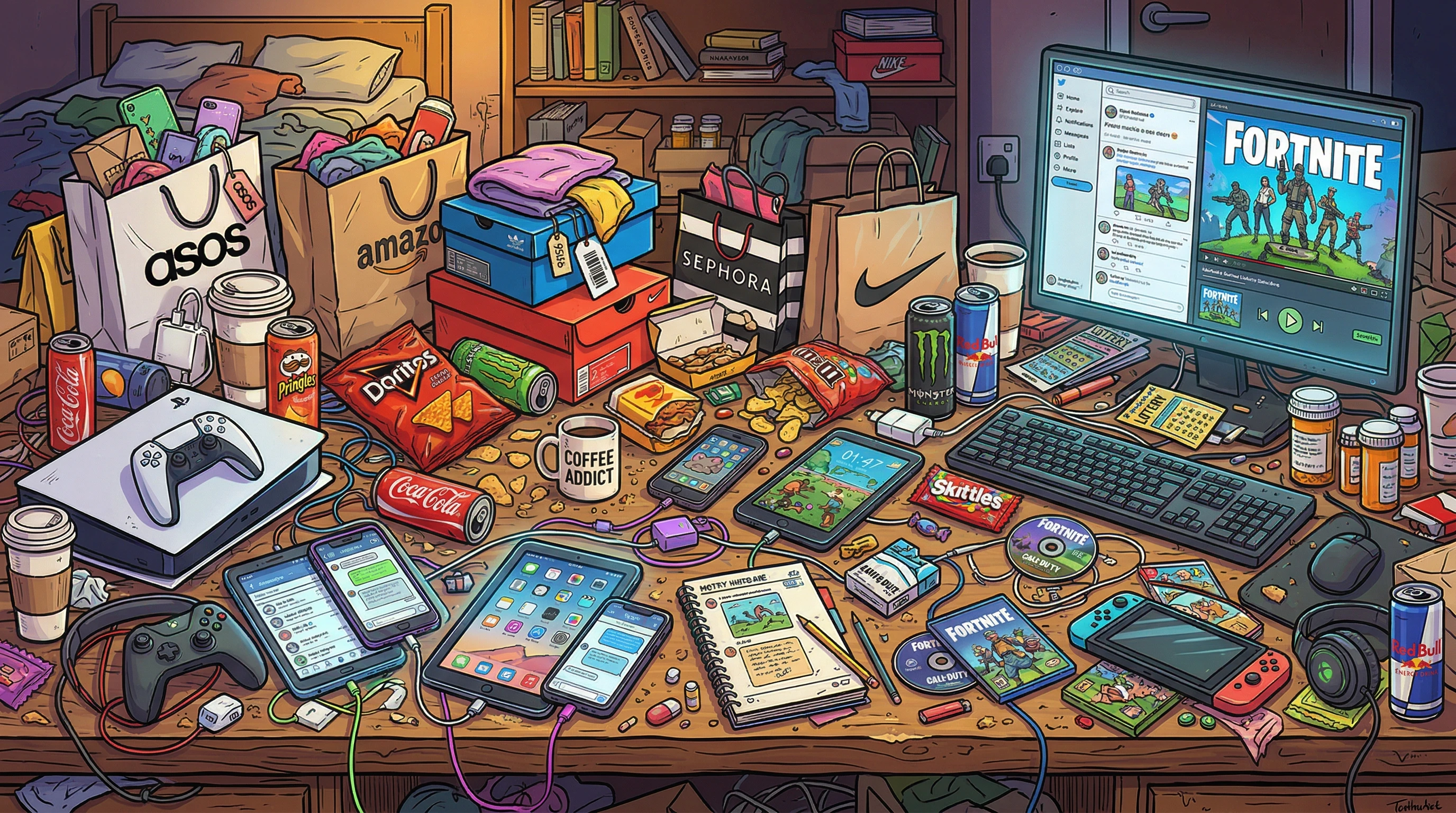
What Are Unrecognized Addictive Behaviors?
Most people think of addictions as being tied only to substances. But addiction isn’t just about alcohol or illegal drugs. It’s about any behavior that someone finds nearly impossible to stop, even if it’s causing problems. When a habit disrupts relationships, work, or mental well-being, it could be a form of addiction—even if it looks harmless on the outside.
Some of these behaviors are so linked to daily routines or social trends that nobody thinks twice about them. Things like marathon gaming, watching TV shows back-to-back, or always checking messages might seem normal. When these activities turn into the main way someone deals with stress, uncomfortable feelings, or boredom, they can get unhealthy really fast.
One thing I’ve noticed is how these patterns often get missed because they’re socially accepted or even praised. For example, praising someone for working late every night may seem like encouragement, but it can mask signs of workaholism.
Common Types of Unrecognized Addictive Behaviors
- Compulsive Shopping: Buying things impulsively, chasing a high from each purchase, and running into financial stress or guilt right after. If shopping is your go-to fix for a bad day, it might be worth looking at why.
- Social Media Bingeing: Not just using platforms to connect, but scrolling or posting all day, even when it gets in the way of work or sleep. Social media addiction often feels invisible because everybody else seems to be doing it too.
- Workaholism: Taking pride in always working and never switching off. It seems positive, but chronic overwork can wreck physical and mental health.
- Emotional Eating: Reaching for snacks to deal with stress, anger, or sadness rather than physical hunger. Eating becomes a coping mechanism instead of just a simple pleasure.
- Gaming Overload: Not just playing for fun, but for hours on end despite negative effects on school, work, or relationships.
There are plenty of other forms as well, such as gambling, exercising excessively, or even constantly seeking approval from others. These behaviors can all become problems if they start to control your decisions and daily life.
What makes these patterns so sneaky is that they can seem helpful or harmless until their consequences start piling up. For example, someone constantly glued to their work laptop might seem dedicated but could actually be avoiding hard emotions. Or, the person always the first to respond in group chats might be using social media as an escape rather than connecting in a healthy way. Each action by itself can be perfectly normal, but when it starts to feel out of control, it’s wise to pay attention.
How These Addictions Develop
Unrecognized addictive behaviors usually start innocently. Maybe eating some ice cream makes you feel better after a rough day, or you join a friend for online gaming and find it’s a quick way to escape stress. Over time, these activities can become your main way of coping, crowding out healthier strategies like talking things over with friends or taking a walk outside.
The brain loves reward, and many activities trigger a feel-good chemical called dopamine. If something feels good, most of us want to repeat it. That’s not automatically bad, but if that’s your only way to find comfort or excitement, red flags can start popping up.
Stress, social pressure, or even boredom often speed up this process. You might scroll through TikTok to avoid a difficult conversation at home, but soon find you’re stuck in a loop, spending hours on the app just to dodge tough feelings. As this becomes a go-to move, the problem grows.
It’s not just the activity itself, either. The triggers leading up to addictive patterns can be really subtle. A tough day at work, an argument, or just feeling lonely can all spark a familiar routine, like hitting “add to cart” or picking up your phone. After a while, the link between feeling bad and reaching for your habit becomes hardwired, making it harder to regain control.
Early Warning Signs to Watch For
Addictive habits are tricky because they don’t always look like a problem. Here are some signs I think are worth noticing:
- You keep telling yourself you’ll cut back “tomorrow,” but nothing changes.
- Your habit is eating up huge chunks of time meant for work, study, or family.
- You feel anxious, restless, or upset when you can’t do the activity.
- Family or friends have mentioned being worried.
- Neglecting other hobbies, relationships, or responsibilities.
If any of these feel familiar, it might help to take a step back and ask whether your routine is really working for you in the long run. Try to look at not only how much time you spend, but whether your habit is getting in the way of other things that matter to you. Even noticing these patterns is a big win toward shaking things up for the better.
Why Do These Behaviors Fly Under the Radar?
One big reason is social acceptance. People often see constant busyness or gadget use as signs of hustle or being connected. It’s easy to laugh about “retail therapy” with friends, especially when shopping ads and social media influencers normalize buying things to boost your mood. Plus, because these behaviors aren’t illegal or obviously harmful at first glance, they rarely get the same scrutiny as substance abuse.
A lot of folks don’t realize how much their behavior is controlling them until it starts to cause serious problems, like debt, burnout, or health issues. That’s why spreading the word and talking openly can really help—not to shame, but to help people notice what might be going on below the surface. Starting these conversations can get someone thinking about their own choices in new ways.
On top of that, our culture sometimes rewards or even glamorizes certain habits, praising “commitment” or “grind” without noticing the toll it can take on mental health. The more we normalize checking in with ourselves about these routines, the easier it gets to make healthy changes before problems stack up.
Living With and Managing Hidden Addictive Behaviors
Breaking out of unrecognized addictive patterns takes a mix of new habits, self-awareness, and a good support system. Here are practical tips that can really make a difference:
- Track Your Time: Jot down how much time you spend on the activity. Even a few days of tracking can open your eyes to patterns you might not notice.
- Set Clear Limits: Decide ahead of time how long you’ll spend shopping, gaming, or scrolling. Use timers or reminders to help you stick to it.
- Find Alternatives: Swap out addictive behaviors for things that actually give your mood a boost. Try calling a friend, doing something active, or working on a hobby you enjoy.
- Reach Out: Talk honestly with someone you trust about what’s going on. Sometimes an outside perspective helps spot problems you might miss on your own.
- Reward Yourself Differently: Celebrate small wins like sticking to time limits or choosing a healthier alternative.
These steps aren’t about cutting fun out of life. They’re about keeping things balanced so that your choices support your well-being rather than draining it. If you slip up, don’t beat yourself up—just try again. Small, steady tweaks add up over time, and having self-compassion is a key part of breaking out of tough patterns. You can also get creative by building in rewards or rituals that don’t tie into the old habit, like taking a walk outside or playing a favorite playlist.
It’s also handy to set up physical reminders or roadblocks. For example, keeping your phone in another room while studying or putting your wallet away while watching TV can help you avoid automatically falling back into old routines.
Things I’ve Learned from Personal Experience
I’ve seen firsthand how easy it is to overdo it with phone use, especially when deadlines are looming or things feel stressful at home. Setting up app timers and giving myself tech-free evenings made a huge difference in my focus and peace of mind. Little tweaks like moving my phone out of reach during meals or before bed helped me snap out of the autopilot cycle, and it was surprisingly freeing.
If you relate, you’re not alone. Lots of folks go through the same thing, and even tiny changes can make everyday life a lot calmer. Over time, those tiny changes can add up to more time for friendships, hobbies, and just feeling more present in your own company—which is a reward in itself.
Questions People Ask About Hidden Addictions
Q: Can everyday activities really be addictive?
A: Absolutely. When an activity starts taking over your mood, routines, or relationships, it can have the same impact as more traditional addictions.
Q: How can I tell if I have an addictive pattern?
A: If you find it super tough to stop or cut back, and it’s causing stress at work, school, or with friends, it’s worth paying attention to. Look for patterns and be honest with yourself about the impact on different areas of your life.
Q: What should I do if I think I’m struggling?
A: Start by being honest with yourself and talking to someone you trust. Consider chatting with a therapist, counselor, or a support group for advice tailored to your situation. The earlier you reach out, the easier it is to get support before things spiral.
Q: Are there resources for help?
A: Yes! Support groups, mental health professionals, and online forums are great starting points. If you’re curious about a specific area, such as managing gaming or tech use, organizations like the Center for Internet and Technology Addiction offer helpful tips and research. Many apps and websites also offer free self-tests or checklists if you want to take a closer look on your own first.
Final Thoughts About Spotting and Handling Unrecognized Addictive Behaviors
Staying aware of hidden addictive patterns helps protect mental health and gives an overall boost to well-being. Being mindful, having honest conversations, and finding small ways to regain balance can really pay off in the long run. If you think a habit is taking over, remember you’re not alone. Help and information are out there, and making a few changes can set off a positive ripple effect in many parts of life.
For more tips, check out resources from the American Psychological Association and Verywell Mind. They have lots of info about healthy coping skills and breaking tough habits.