Fentanyl exposure and its aftermath can catch people completely off guard. Whether it’s accidental contact with a tiny amount or a more serious overdose, knowing what could happen afterwards is really important. With fentanyl showing up more often in both medical settings and street drugs, there’s growing cause to be aware of how exposure affects people and what steps make sense to take for safety. Here’s a super detailed rundown of what happens after fentanyl exposure, what risks it brings, and the key steps for responding safely and effectively.
What Happens During and After Fentanyl Exposure?
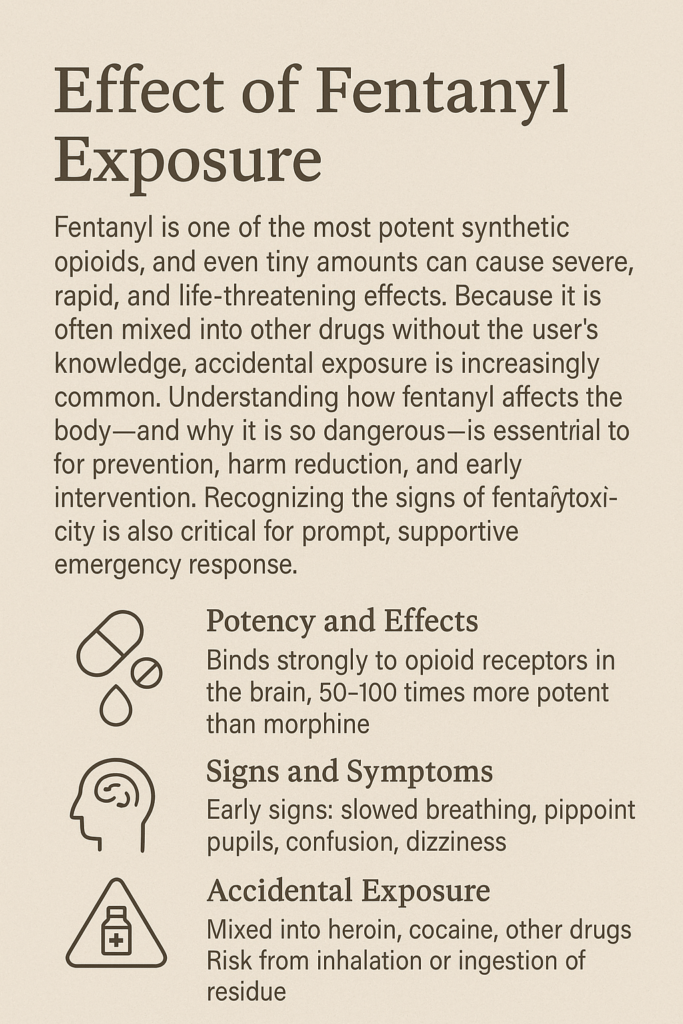
Even a truly tiny amount of fentanyl can have a powerful effect on the body. Fentanyl, a synthetic opioid, is about 50 to 100 times stronger than morphine. Exposure might occur through accidentally touching contaminated surfaces, inhaling powder in the air, or, more commonly, through intentionally using drugs that contain fentanyl.
Once fentanyl enters the body, it binds to the brain’s opioid receptors almost instantly. This brings fast pain relief but also triggers a chain reaction: breathing slows down, heart rate drops, and sometimes people become instantly drowsy. The body absorbs fentanyl so quickly that overdose symptoms can show up within minutes. Main physical after-effects can include:
- Breathing problems (sometimes even after initial recovery)
- Extreme drowsiness or confusion
- Nausea or vomiting
- Low body temperature and blue-tinged lips or fingertips
- Lingering fatigue and physical weakness
In the hours after exposure, these symptoms can come and go. People might feel better for a short period, only for the symptoms to return or get worse later, so staying under observation is really important. Medical help is strongly advised because the effects can come back after someone appears to recover; this is called “re-narcotization.” Naloxone (Narcan) is often used as a reversal drug, though sometimes multiple doses are needed before it works fully.
Understanding the Different Types of Fentanyl Exposure
Fentanyl exposure isn’t the same in every case. The risks and aftermath differ slightly depending on how the drug enters the body:
- Skin Contact: It’s pretty rare for fentanyl to cause overdose just from touching it with bare hands, but longer or repeated exposure increases the risk, especially if skin is broken or if the amount is significant.
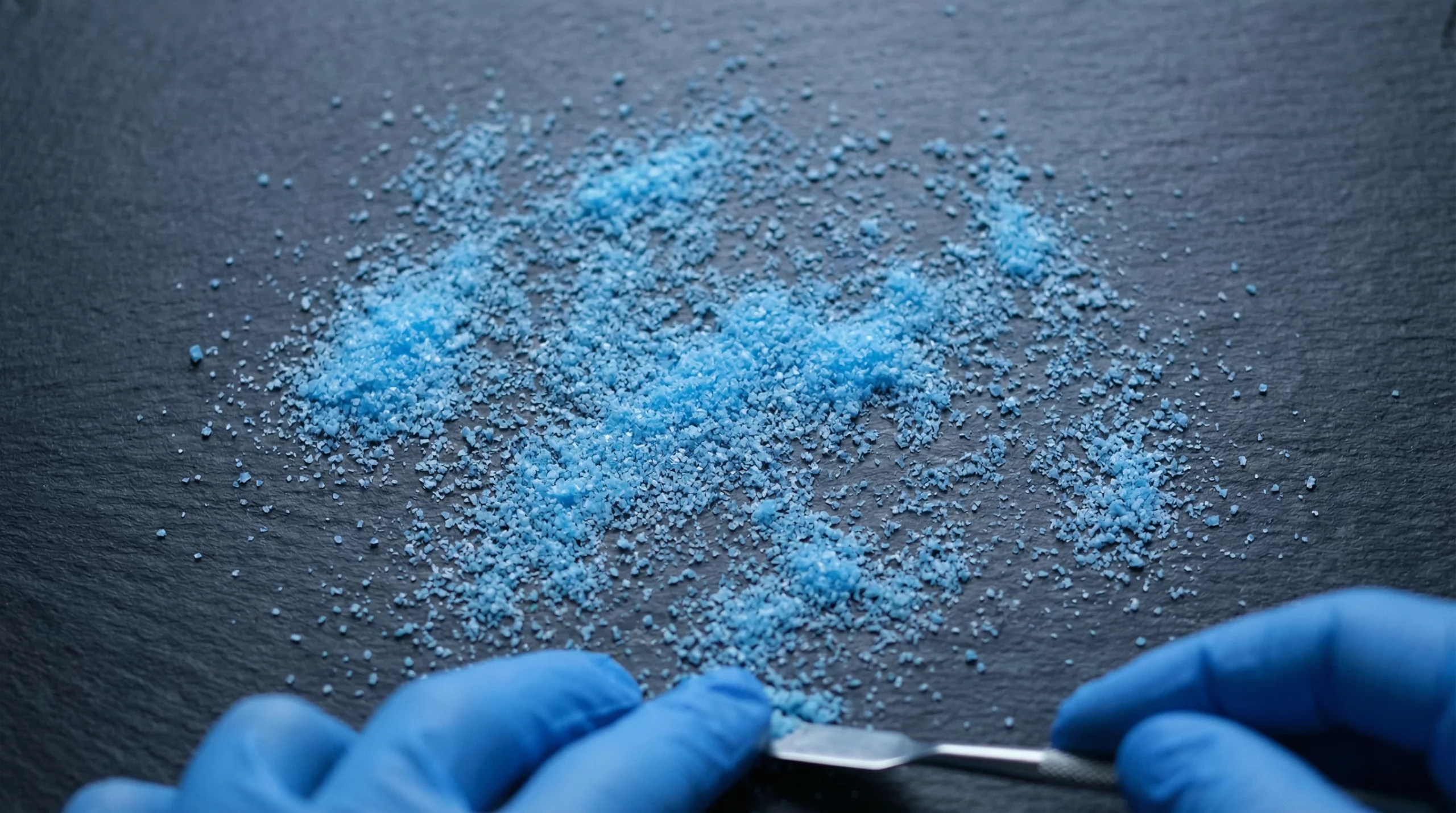
- Inhalation: Breathing in airborne powder, especially in a closed space with poor air circulation, is more likely to cause overdose effects quickly. Emergency workers, police, or friends who stumble onto a contaminated scene can be at risk, even if they’re not using the drug themselves.
- Ingestion or Injection: This type of exposure usually happens with drug use. The risk is highest here for rapid and severe overdose effects.
Knowing how the exposure occurred helps responders determine the best decontamination and care steps. Washing skin with soap and water quickly can help reduce the risk of accidental contact. Removing contaminated clothes and calling emergency services is advised if there’s any doubt. For inhalation or ingestion, fast medical support is crucial.
Short-Term Aftermath: What to Expect Immediately
The initial period after fentanyl contact can be unpredictable. If there’s an overdose, it’s a genuine medical emergency, but even less severe exposures can produce physical and mental changes that don’t go away right away.
- Mental Impact: Confusion, anxiety, or panic are common after an exposure or overdose scare. The mind can feel foggy for hours, sometimes lasting a day or more.
- Physical Recovery: After the initial drug effect wears off, headaches, sore muscles, and lingering fatigue can set in. People rescued with naloxone often report nausea or temporary withdrawal-like symptoms.
- Risk of Repeat Symptoms: “Re-narcotization” means the drug’s effects can return after initial treatment. That’s why medical observation remains essential, especially within the first four to six hours.
Family members or friends are frequently shaken and anxious in the aftermath of a rescue. Emergency responders might also experience stress, especially if they’re worried about accidental exposure or being caught up in challenging situations.
Longer-Term Effects and Challenges After Fentanyl Exposure
Once the immediate crisis passes, there’s often still more to deal with beyond just the physical effects. People can experience ongoing side effects or a mental and emotional “aftershock.” Longer-term issues sometimes include:
- Emotional Distress: Anxiety, trouble sleeping, and even nightmares are common among those involved in overdose incidents.
- Withdrawal Symptoms: For people dependent on opioids, sudden reversal using naloxone can trigger withdrawal, with chills, restlessness, and muscle aches.
- Stigma and Guilt: Many people feel judged or ashamed after an overdose, even when exposure was purely accidental. These emotions can make it tough to seek out or accept support.
- Medical Follow-Up: Lingering breathing or lung issues sometimes require repeat doctor visits or specialized care, especially if the person already has medical challenges.
Talking to a counselor, therapist, or peer support group can make a significant difference during this stage. Medical teams may also assist by connecting people to case management or guiding them toward community recovery resources.
Steps to Take Right After Fentanyl Exposure
Acting quickly can make a huge difference. If you think you or someone around you has been exposed to fentanyl, here’s a list of recommended steps:
- Call for Help: Dial emergency services without delay. Every moment can be critical in an opioid emergency.
- Use Naloxone: If you have it available, give a naloxone spray or injection. Multiple doses may be necessary; fentanyl can linger longer than a typical naloxone dose.
- Stay with the Person: Continue monitoring their breathing and wakefulness. If breathing is poor, start rescue breaths if you know how.
- Avoid Eating or Drinking: Skip food and drink to help prevent choking if someone vomits while drowsy or unconscious.
- Clean Off Contamination: If it’s accidental skin contact, wash the spot gently with soap and water. Don’t scrub, since that can break the skin.
- Remove Contaminated Clothes: Take off any clothing that may be contaminated with powder and place it in a sealed bag for safe handling later.
Even if the person comes to and feels okay, it’s important to wait with them until medical professionals arrive. Fentanyl’s effects can come back, and low oxygen isn’t always obvious immediately.
Special Considerations for Emergency Responders and Bystanders
First responders or bystanders sometimes worry about their own safety at overdose scenes. While unintentional overdose from skin contact is uncommon, safety gear like gloves and masks adds protection, especially if there’s visible powder or risk of airborne contamination. Some helpful tips for anyone stepping in to help at the scene:
- Wear protective gloves and, when possible, a mask to reduce contact.
- Don’t touch your face or eat until your hands are washed well.
- Use soap and water to clean up; skip hand sanitizer, since it doesn’t clear away powder effectively.
EMS workers and community advocates share these practical guidelines with experience managing fentanyl incidents. Following these steps not only reduces risk but also adds peace of mind for both helpers and those in crisis.
Frequently Asked Questions About Fentanyl Exposure
People commonly reach out with pressing questions whenever fentanyl is discussed. Here are some of the most important things to know:
Question: Can a fentanyl overdose happen just by touching it?
Answer: Overdose risk from brief skin contact is low but not zero. It’s repeated or prolonged contact, or exposure to damaged skin, that heightens the risk. If you’re exposed, wash with soap and water and stay calm.
Question: What should I do if I breathe in fentanyl powder?
Answer: Move to fresh air immediately and call 911. Symptoms might show up rapidly. Let emergency professionals know about the suspected exposure so they can watch for any effects that may develop later.
Question: How many naloxone doses do you need for a fentanyl overdose?
Answer: It can take more than one dose. Because fentanyl is potent, two or more doses may be needed, with a few minutes between each, until breathing returns.
Question: How can I protect myself if I live or work near where fentanyl could be present?
Answer: Wear gloves when cleaning, avoid direct contact with unidentified powders, keep naloxone on hand, and use a basic mask if you might be exposed to airborne hazards. Local overdose response training programs are also worth checking out to build confidence and skills.
Community Resources and Finding Support
The aftermath of fentanyl exposure often goes beyond physical recovery. Accessing support services, harm reduction programs, and mental health resources is crucial as you move forward. Here are some places and tools to track down when you need help:
- SAMHSA Naloxone Locator for free naloxone and training on overdose response
- NIDA: Facts About Fentanyl Overdose to get reliable information and research updates
- Local crisis phone lines and harm reduction groups in many communities offer counseling and education for those at risk
Staying informed and connected can reduce much of the fear surrounding fentanyl. It’s important to remember that nobody should face the consequences of exposure alone. Support can make all the difference.
Time and again, I’ve seen how quickly fentanyl exposure can turn an ordinary day upside down. The combination of knowledge, taking the right actions immediately, and reaching out for trusted support can change the outcome of even the most challenging situations. Learning the basics of prevention and emergency response is more than worthwhile—it helps everyone stay a little safer and more prepared when life gets unpredictable.
Video: Why Fentanyl Is So Dangerous