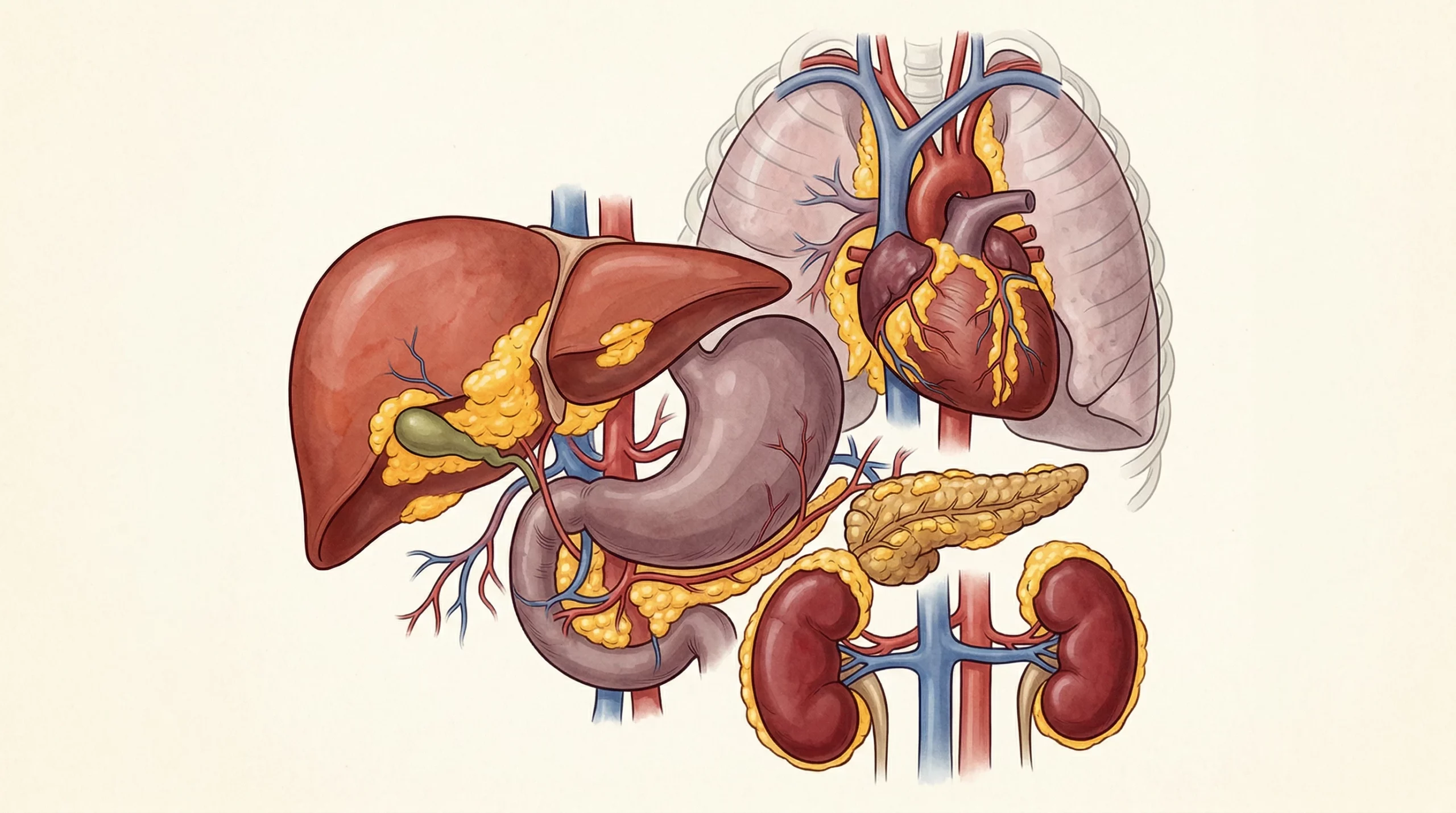
Most people know that smoking isn’t just tough on your lungs. It messes with your entire body. One thing that often flies under the radar is how abnormal fat (also called ectopic fat) from smoking cigarettes can sneak its way into organs and cause health problems that you might not even expect. If you’re curious about which organs get affected and how this process works, I’m breaking it all down right here—no complicated jargon, just straight-up info.
The Link Between Smoking and Abnormal Fat
Smoking triggers a cascade of chemical changes in your body. Not only does tobacco smoke damage blood vessels and tissues, but it also messes with the way your body stores and distributes fat. Instead of tucking extra fat away under the skin, long-term smoking can send it to hang around organs where it doesn’t belong, even if you don’t look overweight on the outside.
The science around this is pretty clear. Years of research have found that smoking is linked with increased abdominal fat, fatty buildup in the liver, and changes to how fat is stored around the heart and other organs. Studies from the National Institutes of Health back this up, showing how smoking and abnormal fat team up to create trouble almost everywhere in your body.
Top Organs Affected by Abnormal Fat from Smoking
Certain organs are more likely to take a hit when it comes to abnormal fat buildup tied to cigarette smoking. Here’s a closer look at the main organs at risk, what happens when fat builds up there, and the trouble it can cause:
- Liver
- Heart
- Pancreas
- Kidneys
- Blood Vessels
- Lungs
How Smoking Drives Fat to the Liver
The liver is one of the body’s busiest organs. It cleans your blood, breaks down toxins, and manages fats. Smoking changes how your liver works, making it more likely to store extra fat. This is sometimes called “fatty liver” and is especially risky if you also drink alcohol or have other metabolic issues.
Ectopic fat in the liver increases the risk for:
- Nonalcoholic fatty liver disease (NAFLD)
- Liver inflammation and scars (fibrosis or cirrhosis)
- Insulin resistance makes diabetes more likely
I’ve read accounts from people who thought their liver would only get into trouble from heavy drinking. Turns out, smoking alone can do a pretty similar kind of damage. If you notice fatigue or unexplained aches and pains, it’s worth checking with a doctor, since liver issues often go undiagnosed early on.
The Heart and Abnormal Fat After Smoking
When extra fat lines your heart, especially around the coronary arteries, you’re dealing with a higher chance of serious heart disease. Smoking is notorious for raising bad cholesterol and lowering good cholesterol, but adding fat around your heart ups the risk.
What happens when abnormal fat builds up in and around the heart?
- Increased risk of coronary artery disease (CAD)
- More clogged arteries, making heart attacks more likely
- Inflammation of the heart tissue itself
- Lowered ability for the heart to pump blood efficiently
This isn’t just about people who are visibly overweight, either. Even slim smokers are at risk because this type of fat creeps up invisibly. The American Heart Association has quite a few studies showing how smokers’ heart health quickly improves after quitting, especially when abnormal fat levels start to normalize.
Pancreas: Fatty Infiltration and Diabetes Danger
The pancreas plays a pretty big part in controlling blood sugar. When fat accumulates around or within the pancreas due to smoking, the cells struggle to produce insulin as they should. I’ve seen a few friends who were surprised to learn that their blood sugar troubles weren’t just about sweet snacks. It was also about how smoking was messing with their pancreas.
Fatty pancreas can lead to:
- Higher risk for type 2 diabetes
- Difficulty managing blood sugar, even with medication
- Greater chance for inflammation (pancreatitis)
Quitting smoking can help lower these risks, and over time, the pancreas can recover some of its lost function if fat levels drop back to normal.
How Smoking-Related Fat Affects the Kidneys
The kidneys filter your blood, manage fluid balance, and keep blood pressure steady. When abnormal fat gathers around the kidneys, a condition called renal or perirenal fat, it can squeeze the kidneys, limiting their function. Smoking is a direct trigger because it boosts the hormones that pack fat into weird places, including your kidneys.
Risks include:
- Higher blood pressure (hypertension)
- Early kidney disease (nephropathy)
- Higher chance of chronic kidney failure for diabetics
People often hear about kidneys in connection with high salt diets, but smoking and abnormal fat can also be behind the scenes, quietly damaging these important organs even if your salt intake is under control.
Blood Vessels: Fat BuildUp and Circulation
Smoking damages the lining of your blood vessels and promotes the buildup of fatty plaques inside them (atherosclerosis). Abnormal fat, especially in the abdominal region, accelerates and intensifies this process. So, smokers have a double problem: fat from a poor diet and fat being redistributed by nicotine and other chemicals in tobacco smoke.
This is why you’ll sometimes hear about smokers struggling with cold hands and feet or even leg pain when walking. Poor circulation caused by this unhealthy mix of fat, inflammation, and vessel damage leads to these symptoms.
Fat in the Lungs: Not Just Tar, but Fatty Deposits
Most folks associate smoking with tar in the lungs, but abnormal fat can also collect here when things get really out of whack. While this is less common than the other organs, some studies show that chronic smokers can get fatty deposits that make lung tissue stiff, limiting how well they can take in air. This can sneak up as part of bigger breathing issues, like COPD or emphysema.
What Makes Smoking-Related Fat So Sneaky?
One big reason this fat is so nasty is that it tends to collect out of sight, inside organs, or hidden deep in your belly. A person might not see a change on the scale or even in the mirror, but under the surface, their liver, pancreas, and other organs could be gathering dangerous fat deposits.
This means traditional weight checks often miss the real risk. Doctors sometimes use imaging scans to spot ectopic fat, especially for people who smoke or already have health issues. If you’re worried, asking your healthcare provider about these risks can be a smart move. Catching this stuff early can make a huge difference in staying healthy long-term.
Best Steps for Protecting Your Organs from Smoking-Related Fat
If you’re looking to keep your organs healthy, there are some steps that go way beyond just quitting cigarettes (although, let’s be honest, that’s definitely the first and most effective action you can take!):
- Stay physically active. Exercise lowers abnormal fat levels even without huge changes in weight
- Eat a diet full of fruits, veggies, and lean proteins to help your body process and reduce fat safely
- Cut back on processed foods and sugar, which help keep organ fat in check
- Get regular checkups. Your primary care doctor can help spot problems early or refer you for imaging if there’s a concern
Adding relaxation techniques like meditation or deep breathing can also help your overall health, as stress management helps balance hormones that influence fat storage. Making small overall lifestyle tweaks, such as walking more or getting enough sleep each night, also helps lower the risk of ectopic fat. These healthy steps work together to keep your organs running smoothly even as you age, especially if you’ve smoked in the past. Knowledge and action both count.
Common Questions About Smoking, Fat, and Organ Health
Here are some common questions I hear from friends and readers who want to know more:
Question: Does quitting smoking right away remove abnormal fat from my organs?
Answer: Quitting helps your body start fixing itself pretty quickly, but it takes time for abnormal fat to go away. Regular exercise and healthy eating can speed the return to normal organ function.
Question: Can you have fat in your organs even if you’re not overweight?
Answer: Absolutely! Even average-weight or slim people can have dangerous fat around organs, especially if they smoke cigarettes. This is why staying active and getting checkups is really important for everyone, not just folks who struggle with weight.
Question: What signs should I look for if I’m worried about organ fat?
Answer: Many times, abnormal fat buildup doesn’t cause symptoms at first. But if you notice fatigue, trouble breathing, swelling, or changes in how your body handles sugar, it’s worth talking to a doctor. They can order tests to check what’s happening inside.
Why This Topic Matters More Than Ever
With more research pointing to the dangers of abnormal fat caused by smoking, it’s pretty clear this isn’t just a cosmetic or surface layer problem. Every organ that gets hit with this fat faces new hurdles. Giving up cigarettes is, hands down, a smart move for protecting your organs, not just your lungs. Simple changes to daily habits can help your body heal and keep your insides running smoother for years to come.
Video: The Visceral Fat Trap Smoking Creates Inside Your Body #smoking #organs #danger
