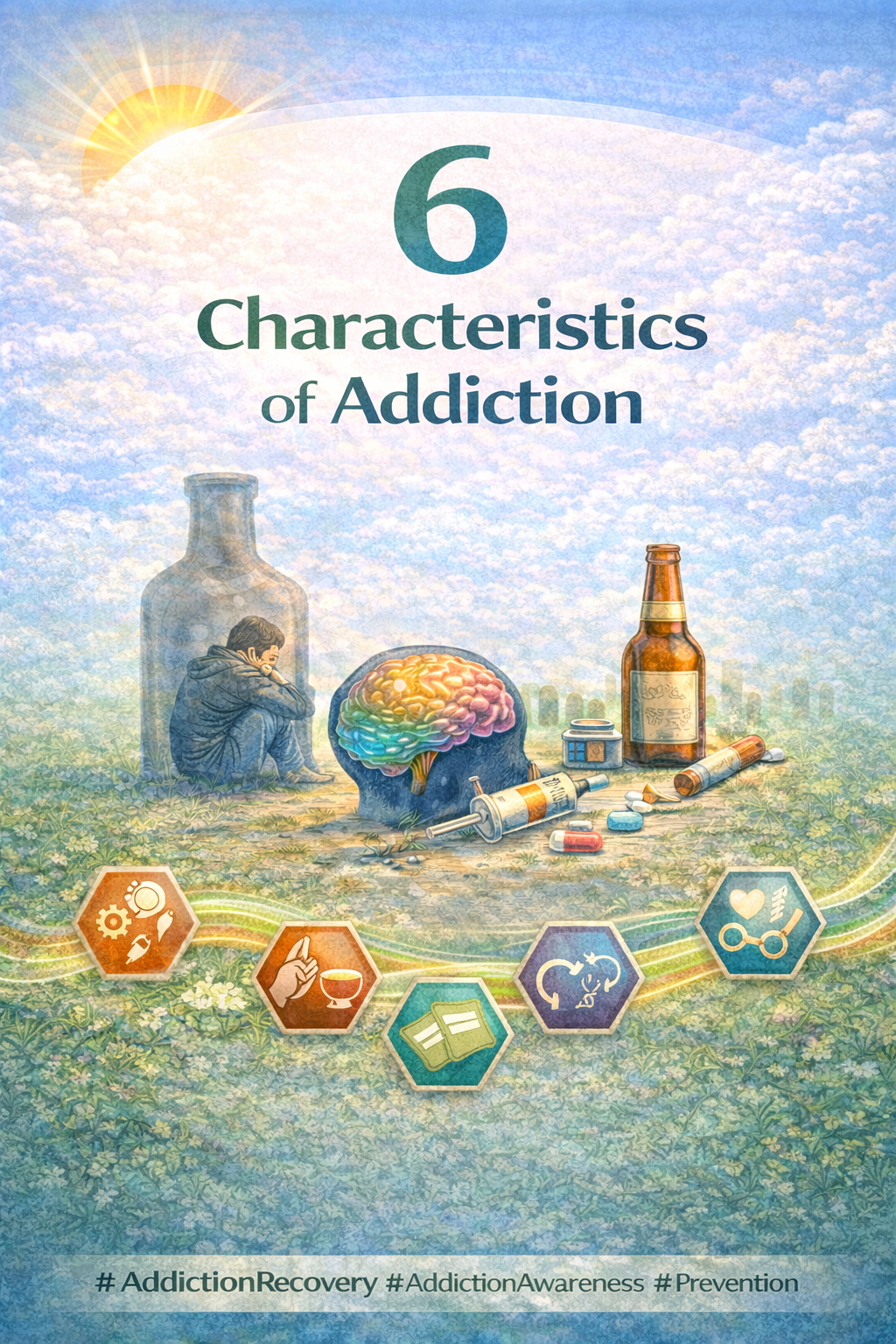
Addiction often feels confusing and overwhelming, not just for people experiencing it but for anyone trying to figure out what actually goes on. It’s more than just using a substance or chasing a certain behavior. These patterns can be surprisingly deep-rooted. Knowing the main traits that define addiction is important for spotting early warning signs or understanding loved ones who might be struggling. I’ll walk you through the six characteristics of addiction while keeping things down-to-earth and relatable for anyone checking out this topic.
Understanding What Addiction Really Means
Addiction is a word that gets tossed around in everyday conversation, but there’s a lot more to it than just wanting something badly. In mental health and medical circles, addiction is used to describe a pattern where someone keeps doing something (like using a drug, drinking, gambling, or even using the internet) even when it results in problems or harm. This cycle gets locked in by changes to the brain’s reward system and behavior. The World Health Organization and American Psychiatric Association both define addiction in specific ways, but real-world signs—what you can notice day to day—land in a handful of big categories.
There’s still a lot of stigmas and misunderstandings out there. Recognizing that addiction is a complicated health condition, not just about willpower or character, is important. If you’re living with addiction or supporting someone else, learning these basic characteristics can make a big difference in how you approach treatment options or daily routines.
The Six Core Characteristics of Addiction
Addiction looks a little different for everyone, but some signs keep popping up no matter the substance or behavior. These six characteristics offer a super detailed picture of what’s really going on beneath the surface.
- Compulsive Use or Engagement: Feeling an urge to use a substance or act in a certain way, even when you’re trying to stop or cut back.
- Loss of Control: Struggling to set limits on how often, how much, or when you get involved in the behavior, even if you make promises to yourself or others.
- Preoccupation: Finding your thoughts or time wrapped up in planning for, thinking about, or recovering from the addictive behavior.
- Continued Use Despite Harm: Carrying on with the pattern, even when you know it’s causing health problems, damage to relationships, financial issues, or legal risk.
- Withdrawal: Feeling physical or emotional discomfort when you don’t have access to the substance or behavior, or when you try to quit.
- Tolerance: Realizing you need more of the substance or behavior to get the same effect or feeling as before.
Some of these overlap a little, but they usually show up together for someone struggling with serious addiction. It’s possible to see one or two alone without a full-blown addiction—what really matters is how these patterns line up over time and impact daily life.
A Closer Look at Each Characteristic
Just seeing these names on a list can help, but I’ve found it makes more sense to break each down with an example from everyday life. This helps add some extra clarity and lets you spot the patterns more easily.
1. Compulsive Use or Engagement
This is the classic urge that’s hard to ignore. Say you’re trying to limit your online gaming, but every evening, you end up playing for hours without noticing how quickly time flies. The urge feels almost automatic, and fighting it off takes a ton of effort. For substances, it’s like reaching for another cigarette or drink starts feeling less like a choice and more like a habit you can’t break.
2. Loss of Control
A lot of people tell themselves, “I’ll just have one,” or “I’ll use just this once,” but then end up breaking that limit. This is where addiction starts to take over what would normally be your personal decision. For example, someone might promise not to bet on sports again after losing money, but the thrill of it drags them back, and all boundaries slip away.
3. Preoccupation
Thinking about the next chance to indulge can take over everything. If you’ve ever caught yourself daydreaming at work about your next drink or constantly waiting for the next social media break, you’re dealing with this mental takeover. For people with substance addictions, a huge chunk of their day is focused on planning how to get more.
4. Continued Use Despite Harm
This can be the most upsetting characteristic when problems pile up, like missing work, fighting with family or friends, or even running into trouble with the law. Even after seeing everything fall apart, the cycle continues. I once spoke to someone who kept smoking even after being diagnosed with asthma; the grip of the habit was just stronger than the medical warning. Outsiders sometimes suggest, “Just stop!” but they miss how deep the habit really goes.
5. Withdrawal
Withdrawal makes quitting a lot tougher. For substances, symptoms might be shakes, anxiety, headaches, or even more serious medical issues. With behavioral addictions like gambling or gaming, withdrawal can look like restlessness, mood swings, or even depression. I know people who tried quitting sugary energy drinks and felt both physically and mentally out of sorts for several days—it’s more than just in your head.
6. Tolerance
Tolerance builds up slowly. Maybe you used to feel a buzz after one drink, but now it takes three or four to hit the same level. Or the excitement from shopping or scrolling on your phone wears off, so you end up spending more time, money, or raising the stakes just to feel a spark. This effect shows the brain adjusting and demanding more for the same reward.
The Impact of These Characteristics on Daily Life
These traits don’t play out in isolation. They work their way into almost every part of a person’s life. Relationships often get strained because people close to you may feel left out or let down by broken promises and changes in behavior. Finances often take a hit, especially with gambling, heavy shopping, or substance abuse. Serious health risks can pile up, leading to problems like liver trouble, lung damage, chronic anxiety, or sleeping difficulties.
For the person facing addiction, shame, frustration, and confusion become everyday struggles. It’s hard to understand why it’s so tough to break free—even with strong intentions. The mix of physical brain changes and emotional habits makes this much more than simply deciding to stop. Realizing that these issues are symptoms, not personal weaknesses, can give anyone considering seeking help or opening up to friends a boost.
What Causes Addiction—and Why These Signs Stick Around
Not everyone who tries drugs, drinks, or enjoys betting will develop an addiction. Genetics, mental health, your environment, and early life experiences can all play a role. For many people, addiction starts as a way to handle stress, anxiety, or pain, and over time, those coping habits get locked in.
Repeated exposure to addictive substances or behaviors rewires the limbic system—the part of the brain that handles motivation and rewards. After a while, the brain craves the dopamine rush, making the six addictive traits stronger and harder to avoid.
Real World Strategies for Overcoming Addiction
Breaking addiction’s grip can feel like scaling a mountain. The good news? Plenty of people recover and go on to build fulfilling lives. Here are a few down-to-earth steps that really do the trick:
- Professional Treatment: Working with a doctor, therapist, or counselor who truly understands addiction can help you make a plan, safely detox, and find treatment that matches your needs.
- Peer Support: Teaming up with community groups like SMART Recovery, Alcoholics Anonymous, or other support spaces lets you share advice and encouragement with others on the same path.
- Habit Tracking: Keeping a journal or using an app to notice triggers and routines can help you identify what sets off cravings, so you can steer clear of those situations.
- Coping Skills: Swapping out addictive behaviors for healthier habits, such as going for a walk, playing sports, or taking up a creative hobby, can give your brain a much-needed boost.
- Medical Support: For certain types of addiction, medication can support recovery, especially with substances like opioids, nicotine, or alcohol.
It’s important to remember that no single method works for everyone. Often, the best results come from mixing a few different tools or supports until you find your own path.
Frequently Asked Questions
People often have lots of questions while trying to pick up on the signs of addiction. Here are honest, straightforward answers to some of the questions I hear the most.
Question: Can someone get addicted to behaviors, not just substances?
Answer: Definitely. Activities like gambling, gaming, excessive internet use, and even shopping can become addictions when the six main characteristics are present.
Question: How can I spot if someone I care about is struggling with addiction?
Answer: If you notice the repeated patterns described above—being secretive, missing important appointments, showing withdrawal symptoms, or being constantly focused on one thing—it could be time to gently ask how they’re doing or suggest talking to a mental health professional.
Question: Is willpower alone enough to quit?
Answer: Willpower can help a lot, but addiction also changes how your brain and emotions work. For most people, help from treatment, therapy, or sometimes medication makes a big difference in successful recovery.
Wrapping Up
Stumbling upon the six characteristics of addiction helps make sense of why it’s so difficult to get out of those cycles. These aren’t just boxes to check—they reflect real struggles and emotions. The most important thing is to reach out for support, whether through official channels or to someone close to you. Recovery is possible, and every step you take toward it is worth celebrating.
Video: The Six Characteristics of Addiction
