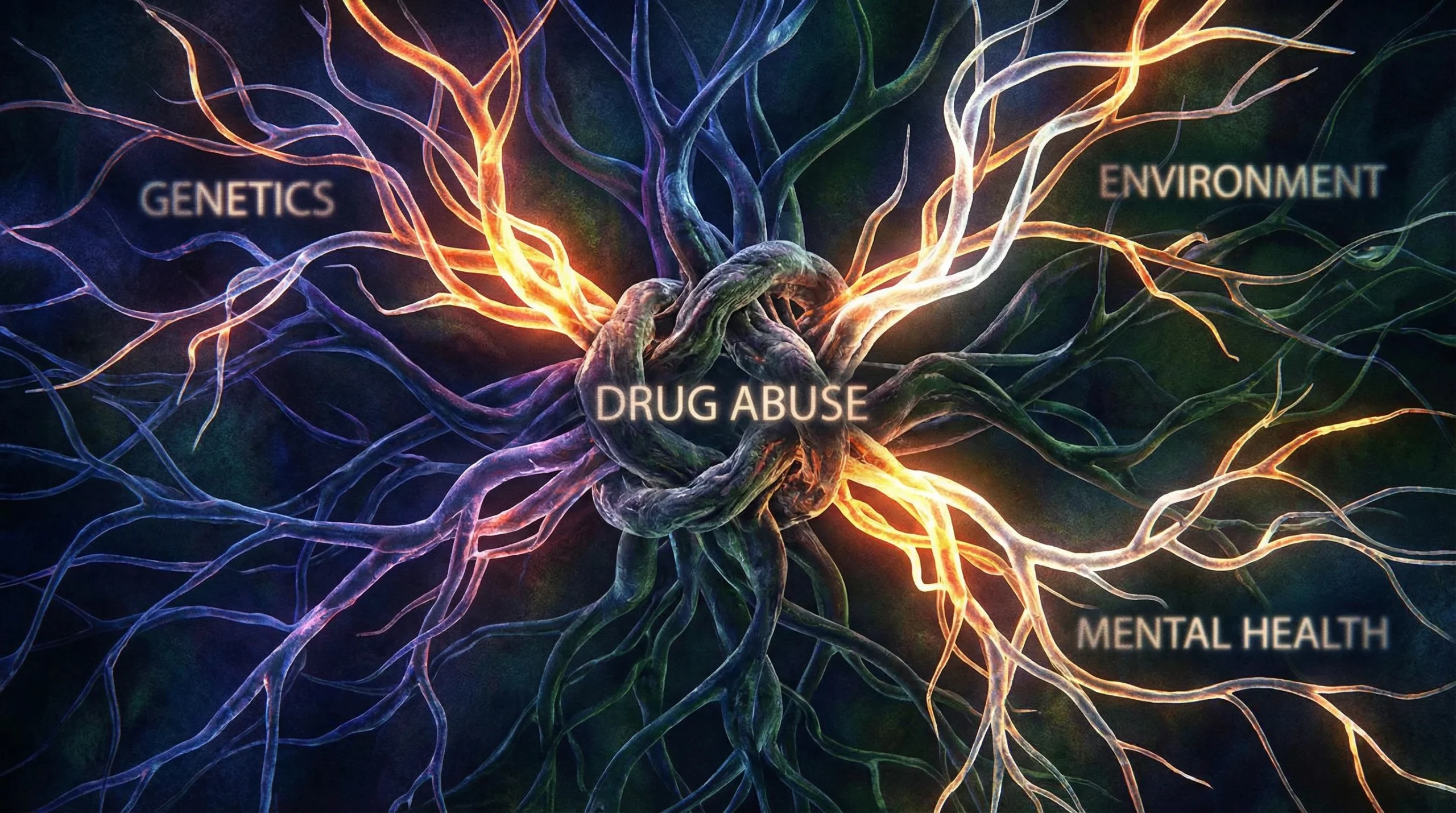
Drug abuse is a complex topic that gets talked about a lot, but I’ve noticed there’s still a ton of confusion about why it starts in the first place. Some people might assume it all comes down to personal choices or bad habits. In reality, drug abuse can be triggered by a wide variety of real-life situations, genetics, environment, and more. Taking the time to really understand the actual causes can help anyone, whether you’re concerned about someone close to you or just interested in learning more. In this article, I’m going to unpack the six major causes of drug abuse, along with things that influence them and practical tips for spotting the signs early.
The Six Causes of Drug Abuse Explained
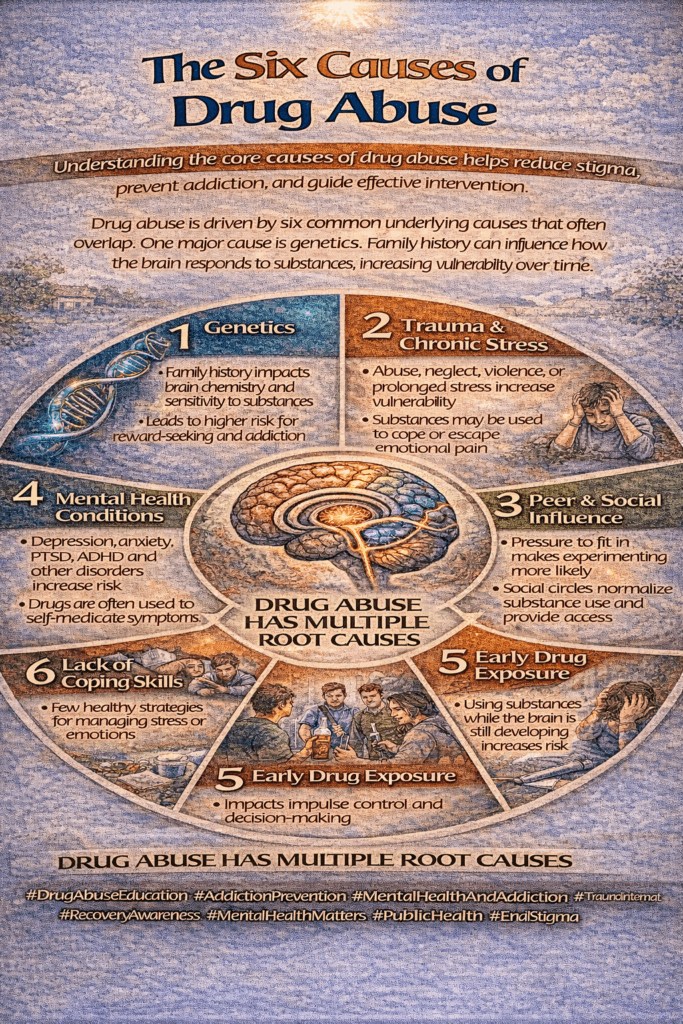
Drug abuse doesn’t simply appear out of nowhere; it’s usually the result of a combination of influences that can build up over time. I’m breaking down the six most common causes here; each is explained in detail to give you a better picture.
- 1. Genetics and Family History: A family history of addiction can make someone more likely to struggle with drug abuse.
- 2. Mental Health Issues: Conditions like depression, anxiety, or trauma often overlap with substance use.
- 3. Social and Environmental Factors: Peer pressure, poor support systems, and stressful surroundings can play a big role.
- 4. Early Drug Exposure: Getting introduced to substances early, especially as a teen, raises the risk.
- 5. Coping With Stress and Life Challenges: Major life events, stress, or ongoing struggles sometimes push people toward drugs as a way out.
- 6. Lack of Awareness and Education: Missing information about the risks or how dependence develops leaves people more vulnerable.
Digging Deeper: Why Do These Causes Matter?
No single factor guarantees someone will develop a drug problem. Most of the time, several factors combine and create a tricky situation. For example, someone with a family history of addiction who’s dealing with untreated anxiety and peer pressure is at a much higher risk than someone facing just one of these alone. Here’s a closer look at each cause.
1. Genetics and Family History
Genetics really do play a part when it comes to drug abuse and addiction. You can think of it as a blueprint that might make someone more likely to experiment or get hooked. For example, people with close relatives who have struggled with addiction seem to have a higher risk themselves, according to research from sources like the National Institutes of Health. It’s not a guarantee, but genetics can shape how the brain responds to certain drugs, making them harder to overcome without support.
Growing up in a home where substance abuse is present can also make those behaviors seem normal, reducing how risky they appear. I’ve seen in some families how younger siblings or kids just “follow the leader.” It’s not always easy to break that pattern without outside help. Family conversations and healthy boundaries make a real difference here, especially if addiction runs in your background.
2. Mental Health Issues
Mental health struggles such as anxiety, depression, or posttraumatic stress disorder (PTSD) often show up alongside substance abuse. Sometimes people turn to drugs as a way to manage symptoms, escape reality, or just feel better for a little while. This is called self-medicating, and it’s super common among those who haven’t found healthier ways to cope. According to the Substance Abuse and Mental Health Services Administration, about half of people with a substance use disorder have a co-occurring mental health disorder.
I’ve talked to a lot of people who didn’t even realize their anxiety or depression was driving them to use drugs more. Treatment works best when both the mental health and substance use issues are addressed together, not separately. Recent approaches to therapy emphasize coordination among providers to tackle both problems simultaneously.
3. Social and Environmental Factors
It’s tough to ignore how much your surroundings affect your choices, especially for teens and young adults. Growing up in a neighborhood where drugs are easy to find, or where there aren’t many positive role models, raises the risk. Peer pressure, or just wanting to fit in, can steer decisions in the wrong direction. If someone’s social circle or community makes drug use look normal or exciting, it’s a lot harder to say no.
Big environmental stressors, such as poverty, homelessness, or unstable living situations, add another layer of risk. Secure, stable housing and positive community programs can reduce those risks. Having adults and peers who look out for each other and create a healthy environment can shift the odds in a better direction. Schools and after-school activities are proven buffers for many youths in high-risk settings.
4. Early Drug Exposure
Trying drugs for the first time as a teenager or even younger increases the chance of developing lifelong problems down the road. Early exposure is risky for several reasons. First, the part of the brain that controls impulse and decision-making isn’t fully developed until the mid-20s, so young people might not grasp the consequences as well as adults do.
There’s a lot of solid evidence showing that prevention programs aimed at kids and teens can lower the chances of drug abuse later. Parents, schools, and the community all play a role in managing early exposure. Regular conversations about substance use and honest answers to questions from youth can foster openness and build trust.
5. Coping With Stress and Life Challenges
We all face tough times, like losing a job, problems at home, or tough experiences in childhood. Sometimes, drugs seem like a fast way to feel some relief, escape uncomfortable feelings, or numb emotional pain. This coping mechanism is common because it gives temporary relief, but it tends to create bigger problems over time. Chronic stress, meaning constant stress that doesn’t go away, can also change brain chemistry and increase the risk of substance use.
Resilience, support systems, and learning new ways to handle stress all help to lower the risk. Programs that teach healthy stress management, like exercise, mindfulness, or talking with supportive friends, are great resources to have in the toolbox. Even simple daily routines and seeking professional guidance can make a difference.
6. Lack of Awareness and Education
If people don’t really understand how addictive drugs can be, or if they believe some substances are “harmless,” the risks go way up. Often, schools and communities don’t provide clear, relatable information, or they focus only on scare tactics. Honest education about the realities of drug use, dependence, and recovery helps everyone make smarter choices and spot trouble before it gets worse.
Modern educational approaches recommend incorporating stories, real-life scenarios, and skills for resisting peer pressure. When information is engaging and up to date, it’s more likely to stick and shape healthy choices down the line.
Factors That Can Increase or Lower Risk
It’s rarely just one factor that leads to drug abuse. Protective factors, such as a close relationship with a parent, involvement in sports or hobbies, or access to mental health services, can lower risk. On the other hand, things like trauma, loneliness, or chaos at home make problems more likely. Noticing these early gives individuals and families a chance to act sooner.
Protective Factors to Know
- Strong family relationships
- Positive peer groups
- Involvement in extracurricular activities
- Open discussions about drug use
- Regular mental health checkups
- Connections with mentors or trusted adults
- Opportunities for success in school and hobbies
Paying attention to these protective strategies has been shown to keep young people out of trouble by offering them better coping skills, alternative activities, and a sense of belonging. Community groups, teams, and after-school clubs are valuable support systems you can encourage for yourself or loved ones.
Common Questions About Drug Abuse and Its Causes
People have tons of questions when it comes to understanding why drug abuse happens. Here are a few of the ones I hear most often, along with some straightforward answers.
Question: Is addiction always inherited from parents?
Answer: Not necessarily. Genetics is just one part of the puzzle. Someone can have a family history and never develop a problem, or vice versa. Lifestyle and environment matter a lot, too. Addiction is complicated, and personal choices mixed with circumstance also play roles.
Question: How do I know if someone is abusing drugs?
Answer: Signs include sudden changes in behavior, withdrawal from friends or activities, problems at school or work, mood swings, or physical symptoms like red eyes or weight loss. Trust your gut if something feels off and consider reaching out for help. Sudden drops in performance or energy, secrecy, or new friends who also use drugs can also indicate a problem.
Question: Can mental health treatment lower the risk of drug abuse?
Answer: Yes. Effective treatment for anxiety, depression, or trauma can greatly reduce the need to self-medicate. Many programs combine mental health and substance use services for the best results. Support from therapy, medication if appropriate, and skill-building in coping all work together to guard against drug abuse.
Question: Are some drugs more likely to lead to addiction?
Answer: Yes. Substances like opioids, methamphetamine, and nicotine are especially known for their high potential for addiction. However, nearly any drug can lead to dependence, especially when mixed with other risk factors. It’s not just about the type of drug, but also about how often and why someone uses it.
Question: What can schools and families do to help prevent drug use?
Answer: Creating open communication, educating with accurate facts, offering strong support systems, and encouraging participation in hobbies or activities help a lot. When kids feel heard, supported, and positive about their goals, they’re less likely to turn to drugs for comfort or excitement.
Final Thoughts on Prevention and Support
Stopping drug abuse before it starts isn’t just about saying “no.” It’s about building strong support networks, keeping communication open, and making education easy to understand and relatable. Family, friends, teachers, and community leaders all play important roles. Even small actions, like checking in with someone who’s having a tough time or sharing helpful resources, can make a big difference. For those already struggling, reaching out to a medical provider or a local support group is a smart move. If you want to learn more, trustworthy sources like the National Institute on Drug Abuse and SAMHSA offer tons of useful information and guidance at every step of the process. Remember, it’s never too late to ask for help or to help someone else turn things around.
Video: The 6 Root Causes of Drug Abuse Nobody Talks About #shorts #awareness