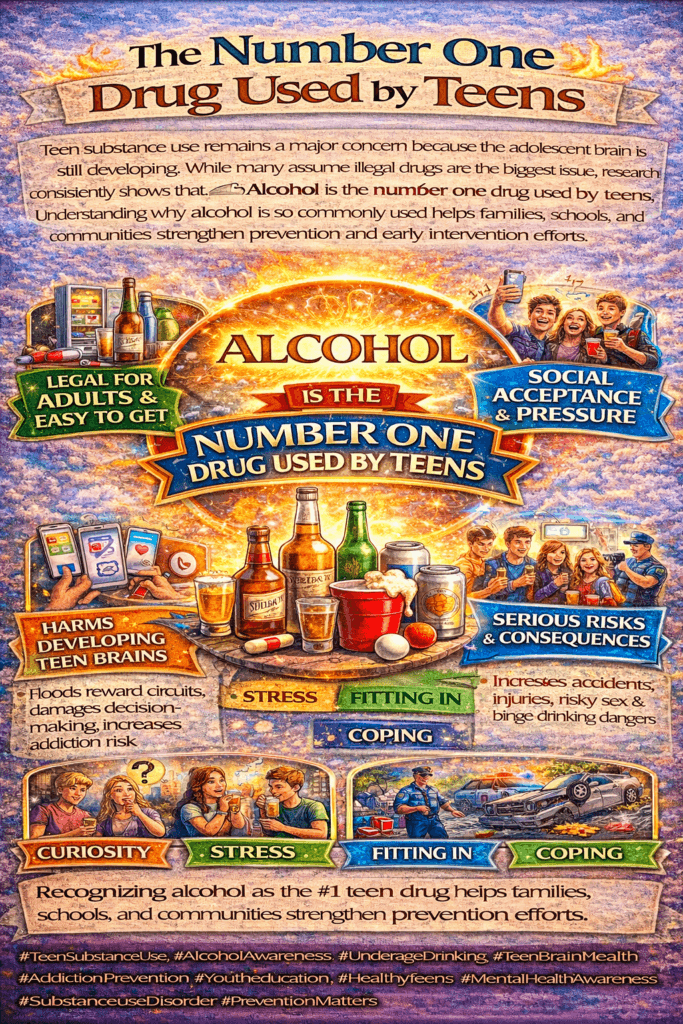
Drug use among teens is a big topic for families, teachers, and anyone who looks after young people. It tends to pop up in conversations and headlines every so often, and there’s always curiosity about what drugs are most common among teenagers today. If you look at the numbers, there’s a clear number one: alcohol. Even though there’s a lot of talk about newer or more dangerous substances, alcohol is still the most widely used drug among teens by a big margin. Let’s get into why this is the case, what makes alcohol so common, the risks that come with it, and how families and communities can support healthy choices.
Why Alcohol Tops the List for Teens
There’s plenty of research tracking which substances teens actually use. Each year, surveys like Monitoring the Future (run by the University of Michigan) and the CDC’s Youth Risk Behavior Surveillance System check in with thousands of students across the US. Over and over, alcohol remains the most reported drug among teenagers. It’s not just about drinking at huge parties; for some, it means “just a beer” at a friend’s house, sneaking a sip from the family fridge, or trying a drink at a holiday celebration. The numbers have dropped a bit compared to a decade ago, thanks to more awareness, but the gap between alcohol and other drugs, like marijuana or vaping nicotine, still stays pretty wide.
Some of the things that make alcohol more accessible for teens include how common it is in most homes, how normalized it is by the media, and the fact that people openly drink for celebrations or to unwind. Rarely do you see a sitcom or movie aimed at adults without someone having a drink. It’s easy to forget that teens pick up on this, too.
How Teens Access Alcohol
One reason alcohol is the most popular drug among teens boils down to simple access. Most teenagers don’t have strict controls at home, and alcohol is usually sitting in the open on a kitchen counter or tucked away in a cabinet. Unlike cigarettes or marijuana, which can be a little harder to hide or get, alcohol is pretty much everywhere. Friends and siblings sometimes “help” each other get it, and there’s not much effort needed for a teen to find some if they’re curious.
Another factor is peer influence. Many teens say that having a social drink or going along with the group makes them feel more included. Buying alcohol directly from stores is illegal for anyone under 21 in the US, but statistics show that most underage drinking is supplied by family or friends—sometimes even with adults’ knowledge, who assume it’s safer if they supervise.
What Makes Alcohol Use Among Teens Risky
Drinking might seem casual to many teens, but the risks are bigger than most realize. While some adults have a drink or two without any trouble, teenagers’ brains and bodies are still developing. Alcohol can really mess with memory, decision-making, and emotional health. For example, teens who drink heavily have a greater chance of struggling in school, being involved in car accidents, or getting into risky situations like unplanned sex or fights.
The earlier someone starts drinking, the more at risk they are for developing drinking problems later in life. Studies back this up: teens who start drinking before 15 are much more likely to have alcohol dependence as adults compared to those who wait until they’re legally old enough. It’s not just hype—it really can make a difference in the long run.
It’s also important to mention the link between alcohol and mental health. Drinking can make feelings of depression or anxiety worse, especially if a teen is already struggling. Some turn to alcohol, thinking it will help them relax, but it can backfire and lead to even more challenges managing stress or tough emotions. This is an extra reason to focus on real support and healthy coping strategies for teens.
How Alcohol Impacts the Developing Teen Brain
Teen brains are a work in progress. The prefrontal cortex—the part of the brain that controls impulses, helps with planning, and weighs risks—doesn’t finish developing until the mid-20s. Alcohol slows down that development. Instead of helping the brain grow strong connections, heavy use can weaken them, making things like focusing, remembering new information, and managing feelings tougher. Some teens just brush this off, thinking it’s not a big deal. It can actually have real consequences for school life, friendships, and even future mental health.
Binge drinking, which means having a lot to drink in a short period, is especially tough on young minds. One weekend of heavy drinking may not seem huge to a teen, but it’s linked with trouble learning and emotional swings for days or weeks.
Emerging science has found how repeated heavy drinking can actually shrink areas of the teen brain tied to memory and self-control. Studies using brain scans show these changes can last a long time or, in some cases, even be permanent if the drinking keeps up. This evidence supports the experts’ recommendation to delay drinking as long as possible.
Warning Signs That a Teen Might Be Using Alcohol
Sometimes it’s tough to tell if someone is using alcohol or just going through normal teen mood swings. Still, certain signs might pop up if a teen is starting to use alcohol more regularly:
- Changes in Friends: Suddenly hanging out with a different group, especially one that’s known for partying, can be a flag.
- Drop in School Performance: Missed assignments, falling grades, or skipping classes more often.
- Secretive Behavior: Acting more secretive, locking the bedroom door, or lying about where they’ve been and what they’re doing.
- Physical Signs: Smelling like alcohol, bloodshot eyes, or unexplained injuries (tripping, falls, etc.).
- Mood Changes: Irritability, sudden anger, or moodiness that doesn’t seem to have another cause.
Other changes might include losing interest in hobbies, changes in sleep patterns, or running into trouble with family rules. While none of these alone confirms alcohol use, a combination of several signals at once is worth a closer look.
What to Do if You Suspect Underage Drinking
It’s pretty normal to feel worried, frustrated, or even angry if you catch your teen drinking. Still, the best way to handle it is to have a calm conversation. Avoid yelling or jumping into big punishments; instead, ask open questions and listen. Sometimes, teens drink because they feel pressured, anxious, or want to fit in. Figuring out what’s behind the behavior often helps more than a lecture ever will.
Getting help is always an option if things feel out of hand. Trusted resources include talking with school counselors, pediatricians, or checking out community programs designed to support healthy decisions. The Substance Abuse and Mental Health Services Administration (SAMHSA) has a free, confidential helpline at 1-800-662-HELP and plenty of tips online at samhsa.gov/underage-drinking.
Challenges Teens Face with Saying “No”
Saying “no” to alcohol isn’t always easy. Teens are often worried about being left out or labeled as “boring” if they don’t go along with the crowd. Media and social networks sometimes make drinking look next-level cool or less serious than it actually is. Plus, newer drinks like hard seltzers or fruity cocktails can make alcohol seem less intimidating. Helping teens practice ways of saying no, either by offering to be the “designated driver” or just having a clear reason ready, can really help. It gives them the words for when the moment comes up, so they don’t freeze.
Role-playing these situations at home or talking through what to say can make a difference. When teens are prepared, it’s easier for them to stick to their boundaries even if their friends push them. Remind them that lots of others feel the same pressure but choose to skip drinking for plenty of reasons. Support from family, friends, and mentors all counts in boosting a teen’s confidence to turn down alcohol.
Helpful Tips for Families and Adults
- Set Clear Boundaries: Teens are more likely to make safer choices when they know the rules and what happens if they break them.
- Lead by Example: Showing responsible behavior around alcohol helps set the tone. If drinking is a regular thing at home, explain why or set it aside during family events.
- Keep Communication Open: Make sure your teen knows they can come to you with questions or worries about drinking without fear of instant punishment.
- Know Where Your Teen Is: Staying involved and asking about plans helps keep tabs on what might be going on.
- Encourage Healthy Activities: Suggest after-school clubs, sports, art programs, or other hobbies that give teens a positive focus and help them make new friends who share their interests, keeping them busy and engaged.
How Schools and Communities Support Healthy Choices
Schools and local groups are getting more creative these days about reaching teens on the topic of alcohol. It’s less about scare tactics now and more about real talk, peer-led conversations, and building up confidence to resist pressure. Some schools bring in health professionals or college athletes to talk about real life impacts of underage drinking. After-school activities, sports, and volunteering are all great ways for teens to build friendships and confidence without drinking.
Community efforts can include alcohol-free parties, organizing safe rides, and spreading the word at public events. Groups supported by the Community Anti-Drug Coalitions of America (CADCA) team up with parents, businesses, police, and youth organizations to create a network of support. These groups often sponsor fun events without alcohol, set up ways to get home safely, or spread awareness about the risks of drinking young.
Educational campaigns with real-life stories, online resources, and youth-led initiatives play a key role in making safe choices feel achievable and normal. Giving teens practical tips and people they can relate to helps them see there are lots of ways to have fun and connect—no alcohol needed.
Frequently Asked Questions
Question: Why is alcohol considered the most common drug among teens?
Answer: Alcohol tops the list for teens because it’s easy to find, accepted in many homes, and not viewed as very risky compared to other substances.
Question: Are there signs that show a teen is drinking?
Answer: Some warning signs include secrecy, mood changes, new friend groups, slipping grades, and smelling like alcohol. These alone don’t guarantee anything, but they’re worth checking out.
Question: What should I do if I think my child is drinking?
Answer: Start with a calm chat, listen to their side, and explore what led up to it. Reach out to health professionals or school counselors if you need more support.
Supporting Teens Beyond the Basics
Helping teens avoid risky drinking goes beyond rules or warnings. Staying connected, keeping communication honest, and supporting healthy friendships are all super important. If a teen slips up, patience and guidance often help more than harsh punishment. With the right support and good information, teens can make safer choices, even when alcohol is all around.
For even more resources and to keep yourself in the loop, check out info from NIDA for Teens and the CDC’s Underage Drinking Fact Sheet. Being informed really makes a difference for everyone involved.
Video: Parents Don’t Know Alcohol Is Their Teen’s #1 Drug #ParentingFail #TeenHealth #WakeUpCall