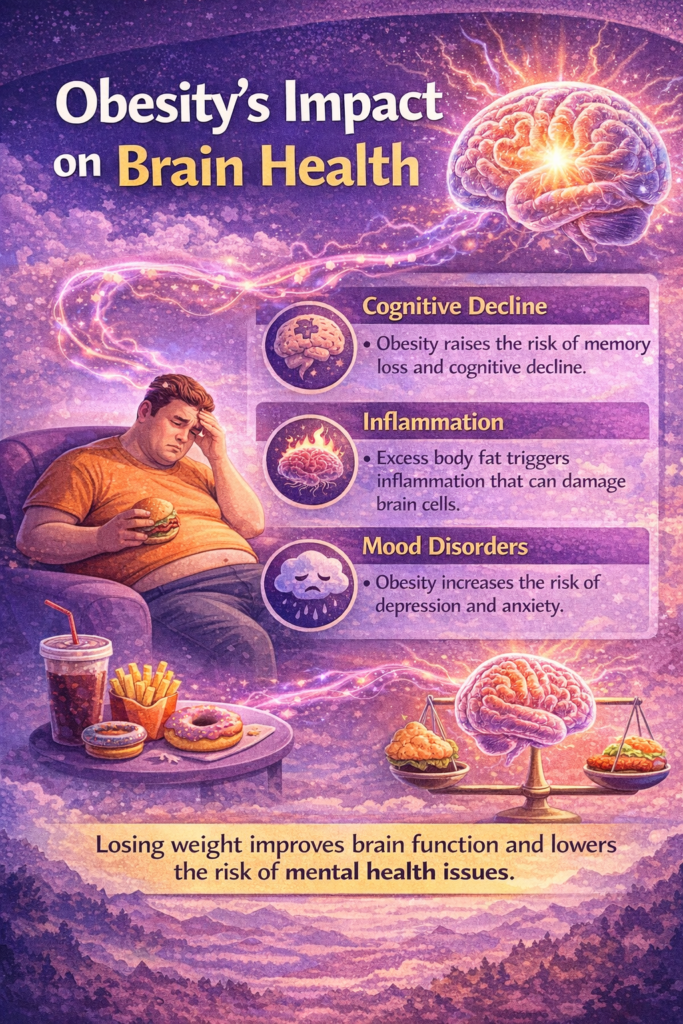
Obesity and brain health have a more connected story than many people realize. I often get questions about how carrying extra weight can affect the brain, especially as we learn more about long-term health. It’s not just about the body. What’s happening on the scale can actually change the way our brains work. In this article, I’ll walk through what researchers have found about how obesity impacts brain health, why it matters for all age groups, and what you can actually do day-to-day to support both mind and body.
The Surprising Connection Between Obesity and Brain Health
For a long time, people mainly connected obesity to things like diabetes or heart issues. What’s new is the growing evidence showing that excess weight affects how the brain functions and even how it ages. Studies published in journals such as JAMA Neurology reportJAMA Neurology real changes in brain structure and memory in people with higher body mass indices (BMIs).
Carrying extra fat, especially around the waist, leads to the release of inflammatory signals, insulin problems, and even changes in blood flow that can reach the brain. Over time, these effects impact parts of the brain linked to memory, planning, and emotions. Researchers are even finding links between obesity and a higher chance of developing conditions like Alzheimer’s.
How Obesity Affects the Brain: What Science Shows
Obesity doesn’t only stay in the body. It sends its effects to the brain in a few interesting ways:
- Brain Shrinkage: MRI scans show that people with higher BMIs often have reduced gray matter volume, particularly in regions associated with cognition and memory. This is especially noticeable in regions such as the hippocampus, which is known for memory processing.
- Inflammation: Fat tissue, especially abdominal fat, produces molecules that drive chronic inflammation. This inflammation can spread to the brain and disrupt normal brain communication, slowing mental sharpness and mood regulation.
- Problems With Blood Flow: Obesity raises the risk for clogged arteries and high blood pressure, making it harder for the brain to get the fresh blood and oxygen it needs. Over time, less blood flow can damage brain cells and lead to problems with thinking and memory.
- Insulin Resistance: Insulin controls sugar in the blood, but when insulin isn’t working well (as in insulin resistance), it can interrupt how the brain uses energy. This issue is connected with slower learning, forgetfulness, and even mood swings.
Every Age Is Affected: Kids, Adults, and Older Folks
Obesity and brain health aren’t just an “older adult” issue. The effects start early and can have long-lasting consequences for development and cognitive function:
- Children and Teens: Extra weight in childhood has been linked to lower scores on memory and attention tests. There’s also a higher risk of trouble with decision-making and emotional regulation. Kids who struggle with obesity may find it more challenging to focus in school or keep up academically, underscoring the importance of early, healthy habits.
- Adults: In adults, researchers see slower processing speed, difficulty focusing, and more forgetfulness in people with obesity compared to peers at a healthy weight. This can impact productivity at work and even daily decision-making, as mental fog and lack of energy become more noticeable over time.
- Older Adults: As people age, extra weight is tied to increased risk for mild cognitive impairment and even earlier signs of dementia. This means the brain-aging process can start earlier or progress faster in those carrying excess weight, potentially shortening the window for healthy, independent living.
I’ve read stories of people noticing these changes, such as feeling more scattered or taking longer to recall words, often before other physical health issues show up. The good news is that even small changes in weight and habits can support better brain performance at any age and may help improve quality of life.
What Helps: Practical Steps for Protecting Brain Health
Supporting brain health isn’t only about losing pounds. It’s about making little choices daily that boost brain power while keeping weight in check. Here’s what I find really makes a difference:
- Active Living: Regular movement, even brisk walking or dancing, increases blood and oxygen flow to the brain. It also helps manage stress and mood. Studies suggest that exercise boosts memory and focus, even if you’re just starting out. Resistance training and aerobic workouts both show benefits, so pick what you enjoy.
- Balanced Eating: Loading up on veggies, fruits, whole grains, and healthy fats (like nuts and olive oil) helps keep inflammation down and provides the brain with the nutrients it needs. It’s not about cutting everything out, but adding in those foods that help the brain thrive. Complex carbs, lean proteins, and foods rich in antioxidants can give a real boost to brain cells.
- Staying Curious: Activities that challenge your thinking, including puzzles, trying new hobbies, or learning a new language, are kind of like workouts for your brain. Reading, writing, and even creative activities can all help keep the mind fresh and adaptable.
- Good Sleep: Sleep resets both body and brain. Not enough sleep raises hunger hormones, making weight harder to manage and making it tougher to concentrate or remember things. Consistently getting 7-8 hours a night is best, and a soothing bedtime routine can make a big difference.
- Social Connection: Spending time with family or friends helps maintain emotional health and engages different parts of the brain through conversation and sharing new experiences. Volunteering or joining a group can also add new social layers and mental stimulation.
Combining these habits over time often brings noticeable improvements in energy, mood, and even the waistline, without giant overnight changes. These lifestyle tweaks not only keep your mind sharper but also support better well-being and resilience long term.
Barriers and Challenges: What Makes It Tough
Sticking with healthy brain and body habits is not always a straight path. Common roadblocks pop up for most people, and overcoming them takes some creativity and self-compassion. Here’s what I’ve noticed helps people get over the bumps:
- Stress Eating: Lots of people reach for snacks when stressed or tired. Finding swaps, like tea, a walk, or a puzzle for a snack, can help break that pattern. Mindful eating and pausing before grabbing that extra treat are useful habits to try.
- Busy Schedules: Lack of time stops many plans in their tracks. I find that setting alarms for short stretch breaks or prepping healthy snacks ahead of time is pretty handy for staying on track. Slow cooker meals, batch cooking, or online fitness videos can make things easier.
- Lack of Info: Not everyone sees how brain health is tied to what we eat or how much we weigh. Reading up or talking to a healthcare pro can go a long way in understanding the benefits. Even small doses of accurate information can spark motivation to try new things.
- Sleep Struggles: Not getting proper rest can throw both hormones and motivation out of whack. Working on a relaxing bedtime routine, like reading or gentle stretches, really pays off. Avoiding screens late at night and sticking to a sleep schedule are helpful strategies.
Inflammation and the Brain
One big thing behind the obesity-brain link is inflammation. When there’s too much fat stored, the body starts making inflammatory signals that travel throughout the body, including the brain. Over time, this can interrupt how brain cells communicate, leading to trouble with memory and learning. Watching for foods or habits that reduce inflammation, like eating more leafy greens and fatty fish, or getting enough rest, is a super important part of protecting both the body and the brain. People sometimes forget that reducing stress can also tone down inflammation.
Metabolic Health and Cognition
Metabolic health is about how well your body converts food into energy, maintains stable blood sugar, and supports daily processes. When things like blood pressure, cholesterol, or blood sugar are off, the risk for problems with thinking and memory goes up too. Keeping an eye on these markers with regular check-ups and working towards balanced meals goes a long way for the brain. Simple habits like drinking more water, sitting less, and making meals at home provide regular support for a healthier metabolism.
Frequently Asked Questions
Some common questions come up around this topic, so I’m adding a few here for anyone looking for clear, no-nonsense answers:
Question: Can losing weight improve my brain health?
Answer: Shedding even a small amount of weight has been shown to improve blood flow to the brain, lower inflammation, and sharpen focus and memory. It’s not about aiming for “perfect”; just moving towards a healthier range starts making a difference.
Question: Are certain foods better for brain health if you’re worried about obesity?
Answer: Foods full of healthy fats (think avocado, nuts, olive oil) and those rich in antioxidants (berries, leafy greens) help reduce inflammation and power up brain cells. Limiting sugary drinks and ultra-processed snacks is really important, too. Keeping an eye on portion sizes also helps manage both brain and body health.
Question: How quickly do these changes show up?
Answer: Some benefits, like improved mood or energy, can show up in weeks when you tweak habits. Changes like improved memory or clearer thinking can take longer, sometimes months. The key is to stick with small, steady steps, celebrate micro-wins along the way, and remember that everyone’s pace is different.
Final Thoughts
The link between obesity and brain health is getting clearer, and it’s now obvious that caring for your body is also an investment in your mind. Paying attention to movement, food, sleep, and stress management makes a real difference down the road. I always remind friends and readers. No change is too small, and it’s never too late to start supporting a healthy brain. Staying informed and making practical tweaks in everyday life go a long way for both your physical and mental wellbeing.
Making small changes, staying curious, and not being hard on yourself throughout the process is the way to go. Brain health and body health really do go hand in hand, and the steps towards both are totally doable, starting today. Taking time to reflect on your daily routines, asking questions when something feels off, and reaching out for support all help build lasting habits that support a sharper, healthier mind well into the future.
Video: How Excess Weight Triggers Cognitive Decline #brain #obesity