If you’re curious about the connection between bone health and addiction, you’re not alone. This is an area that deserves more attention because the link is real, and understanding it can make a huge difference for those working on recovery or supporting someone who is. I’m going to break down what’s really important when it comes to how addiction affects bones, how you can protect yourself, and what to watch out for if you or someone you care about is in recovery.
Why Bone Health and Addiction Are Connected
A lot of people don’t think about their bones until there’s a problem, usually a break or a diagnosis like osteoporosis. But bone health is a slow and steady process. Your bones are living tissue, constantly being broken down and rebuilt. Factors like nutrition, hormones, and physical activity play a role, and so do substances like alcohol, tobacco, and certain drugs. That’s why addiction and bone health are directly connected.
Researchers and health agencies, like the National Institute on Drug Abuse, have found that long-term substance misuse can mess with how your body builds and maintains strong bones. For example, heavy drinking lowers the amount of calcium your body can absorb, and cigarettes affect hormone levels that are especially important for bone density. The risk goes up the longer someone has struggled with addiction.
Stories from recovery groups often mention broken bones, frequent dental issues (which relate to jawbone health), or slower healing after injuries. This isn’t just bad luck; it’s a pattern seen in studies and in real life.
What Substance Use Does to Your Bones
Certain substances are particularly rough on bones. Here’s a breakdown of how addiction to common substances influences bone health:
- Alcohol: Drinking a lot over time drops calcium and vitamin D levels, both of which are super important for maintaining healthy bones. Alcohol can also slow down bone cell production and lead to weaker bones overall.
- Tobacco: Smoking reduces blood flow throughout the body, including in your bones, and alters hormone balance. Lower estrogen levels (in women) or testosterone levels (in men) lead to reduced bone density, increasing fracture risk.
- Opioids: Long-term opioid use affects hormone production and hurts the way your body builds bone. Studies show higher rates of osteoporosis and broken bones in people with opioid addiction.
- Stimulants (like meth and cocaine): Stimulants can change nutrition patterns and appetite, which means your bones might not get the nutrients needed for maintenance. They can also mess with sleep, and a lack of rest can slow bone healing.
Several prescription medications for mental health, when misused or taken over a long period, may also be hard on bones. This doesn’t mean everyone who uses these substances will have bone problems, but the risk goes up with longer or heavier use. Long-term exposure just makes things worse.
How to Protect Your Bones in Recovery
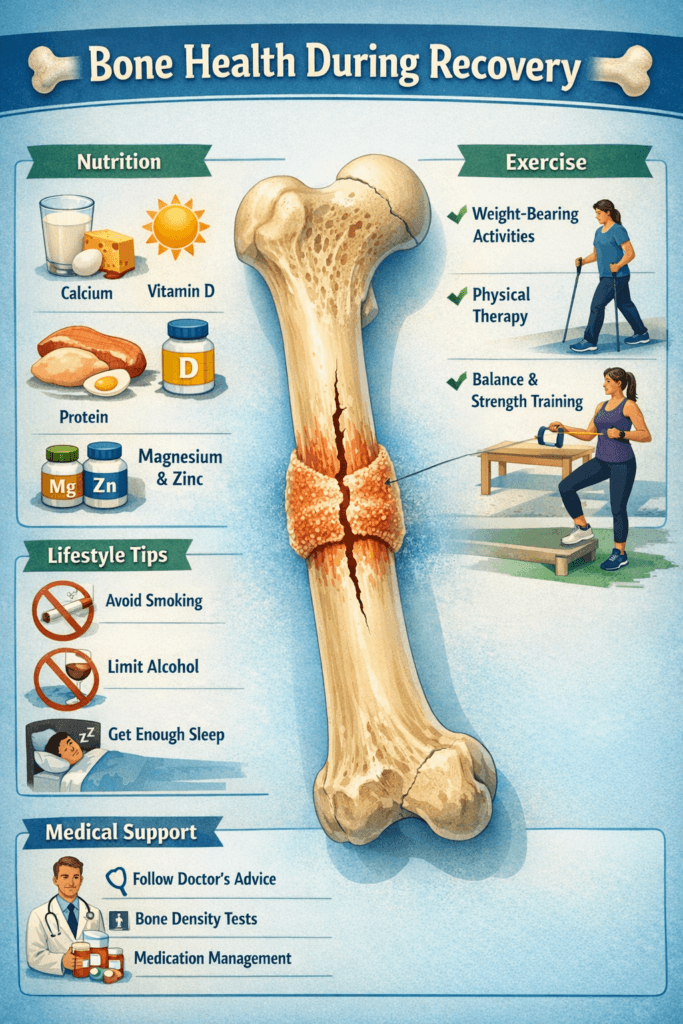
There’s a bright side here. With some attention to basics, it’s possible to improve bone health, even after living with addiction. Here are some concrete ways I’ve seen work for friends in recovery and for those I advise:
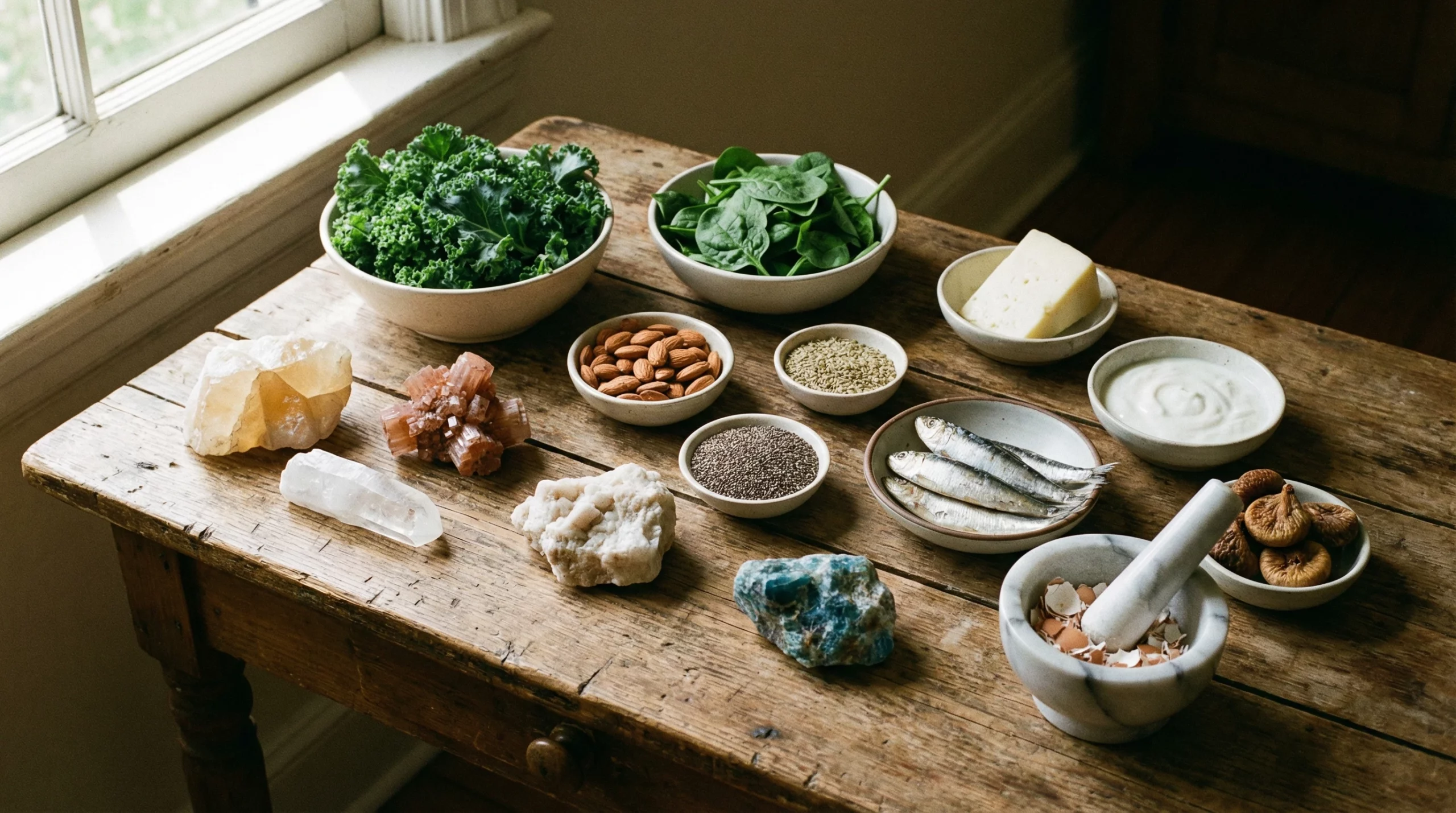
- Boost Nutrition: Eating a well-balanced diet with adequate calcium (think dairy, tofu, dark leafy greens) and vitamin D (from sunlight, fortified foods, or supplements) supports bone healing and strength.
- Get Active: Weight-bearing exercise, like walking or light resistance training, has been shown to stimulate bone growth. Even low-impact activities can make a difference over time.
- Regular Check-ups: It’s really important to talk to your healthcare provider, especially if you have a history of substance use. They might recommend a bone density scan or bloodwork to see if you’re missing any nutrients.
- Medication Reviews: If you’re on long-term medication, check with your doctor to see if it has any side effects on your bones and ask if you should take extra steps to reduce potential problems.
- Stop Smoking and Cut Back on Alcohol: Quitting might not reverse all the effects, but it reduces risk moving forward and gives your bones a fighting chance to recover.
You might also want to connect with peer support groups or online communities where people share tips on healthy eating and building new habits. Extra accountability can give your efforts a real boost.
Common Challenges for Bone Health During Recovery
Getting your bone health back on track after addiction isn’t always easy. I’ve noticed a few things many people run into, and it helps to know these bumps in the road are normal.
- Poor Appetite or Nutrition: Recovery can mean swings in appetite, stomach problems, or difficulty getting enough healthy food. Malnutrition is one of the bigger threats to bone health, so finding ways to eat better is important—even shakes or supplements can help if regular meals are hard to come by.
- Low Energy for Exercise: It’s common to feel tired or weak, especially at the beginning of recovery. Gentle movement, such as stretching, yoga, or short walks, is still worth it.
- Anxiety and Mood Swings: Stress hormones like cortisol, which go up with anxiety, can damage bones. Stress management through therapy, support groups, or calming activities is more important than it sounds.
I’ve heard from people who were surprised at how much getting better sleep, reducing stress, and recommitting to movement and eating well can help, not just for bone health but for overall recovery.
How Nutrition Supports Bone Recovery
Specific nutrients play a starring role in supporting bones. Calcium and vitamin D get all the attention, but magnesium, vitamin K, and protein are all super important too. If you’re dealing with addiction recovery, it might help to track what you eat for a week to see if you’re missing anything big. Doctors or dietitians can give advice on supplements if needed.
Even adding just one more serving of leafy greens, nuts, or low-fat dairy daily can really make a difference for your bones. Protein helps build the structure of bone, while magnesium and vitamin K assist with how your body absorbs and uses calcium. If you have food sensitivities or limitations, talk to a healthcare professional for alternatives—you don’t have to do it alone.
Hormone Balance and Bone Health
Hormones have a big impact on bones. Substances like alcohol, opioids, and steroids can throw off your hormonal system and slow down bone repair. For women, this sometimes shows up as loss of periods, which hurts bone density, and men can see lower testosterone. If you’re noticing changes in your cycle or energy level, check in with your doctor; they can help sort out what’s caused by recovery and what’s something else.
Correcting hormonal imbalances with professional guidance can help your body regain strength and get back on track with bone rebuilding. Sometimes, extra testing or medication is needed, and that’s okay. The sooner you get to it, the quicker you can support your bone health.
Things to Think About When Addressing Bone Health in Addiction Recovery
- Past Injuries and Medical History: If you’ve had broken bones before, it’s a good idea to mention this; healing could be slower due to lowered bone density from substance use.
- Family History: If osteoporosis runs in your family, talk to your doctor about it. Recovery is a window to catch and manage things you might not have thought about before.
- Access to Healthcare: Some people in recovery face barriers around health insurance or finding a primary care doctor. Community health clinics can provide screenings or basic treatment and often offer resources for those in recovery.
For those without regular access to healthcare, local support groups sometimes keep lists of community clinics or low-cost resources. Don’t be shy about reaching out, since early detection of bone issues means simpler fixes and way less stress down the road.
Real-Life Example: Alcohol and Broken Bones
I know someone who broke a bone in their foot after years of heavy drinking. When they finally had it checked, the doctor said their bone density was much lower than average for their age. They started with simple changes: switching soda for milk, going for short walks, and getting help for anxiety. These steps led to big improvements at their follow-up.
Bone Health and Addiction: FAQs
Some common questions pop up for anyone curious about this topic:
Does quitting drugs or alcohol make bones strong again?
Answer: Stopping use can stop things from getting worse, and in some cases, bones can get stronger over time. Especially if you add good nutrition and exercise into the mix. Improvements are slow but real.
What warning signs should I look out for?
Answer: Watch for frequent injuries, dental problems, aching joints, or feeling weaker than usual. These might be small clues that your bones could use some support.
Are bone problems from substance use permanent?
Answer: Sometimes, but not always. It depends on how long and how heavily someone used it. A doctor can help determine where you stand and which changes would help most.
How to Move Forward Toward Better Bone Health
Keeping your bones in shape during or after addiction is totally doable with attention to basics, support, and patience. If you’re working through recovery, give bones some love with healthy food, movement, quitting smoking, and regular checkups. Recovery is about rebuilding a lot more than just habits. Bones are an important piece of that bigger picture, and when you look after them, your whole body stands a better chance of lasting health.
Video: Bone Health During Recovery: Rebuilding Strength from the Inside Out