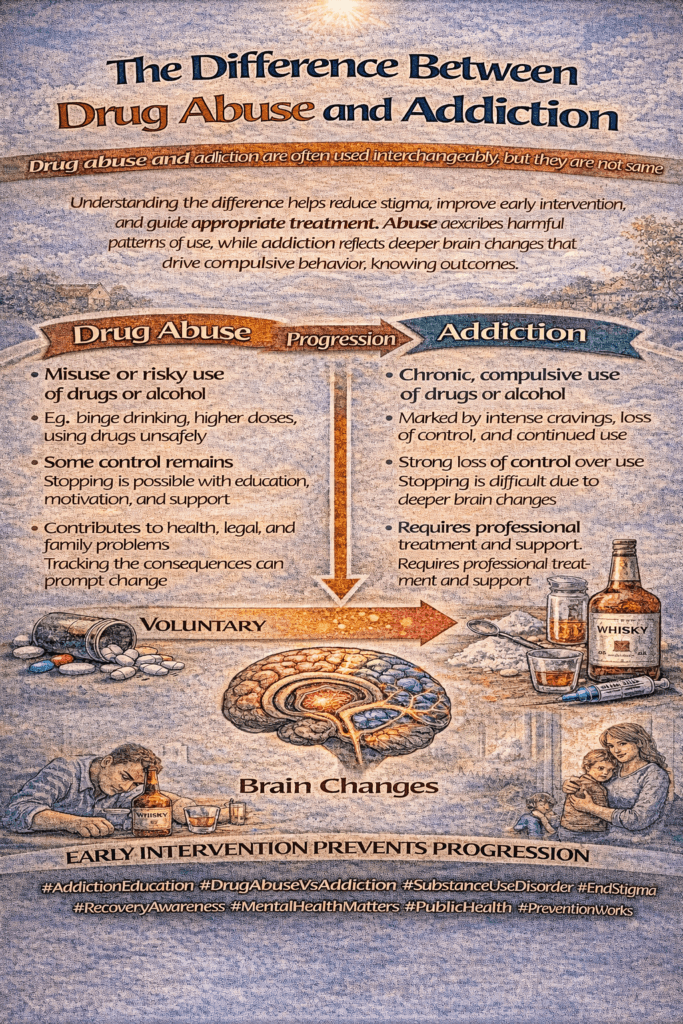
Understanding the difference between drug abuse and addiction clears up a lot of confusion, especially since these terms are often used in everyday conversations and media. Getting a solid grasp on what each actually means can be really helpful, whether you’re trying to support someone, make sense of your own habits, or just want to be better informed about health topics.
What Is Drug Abuse?
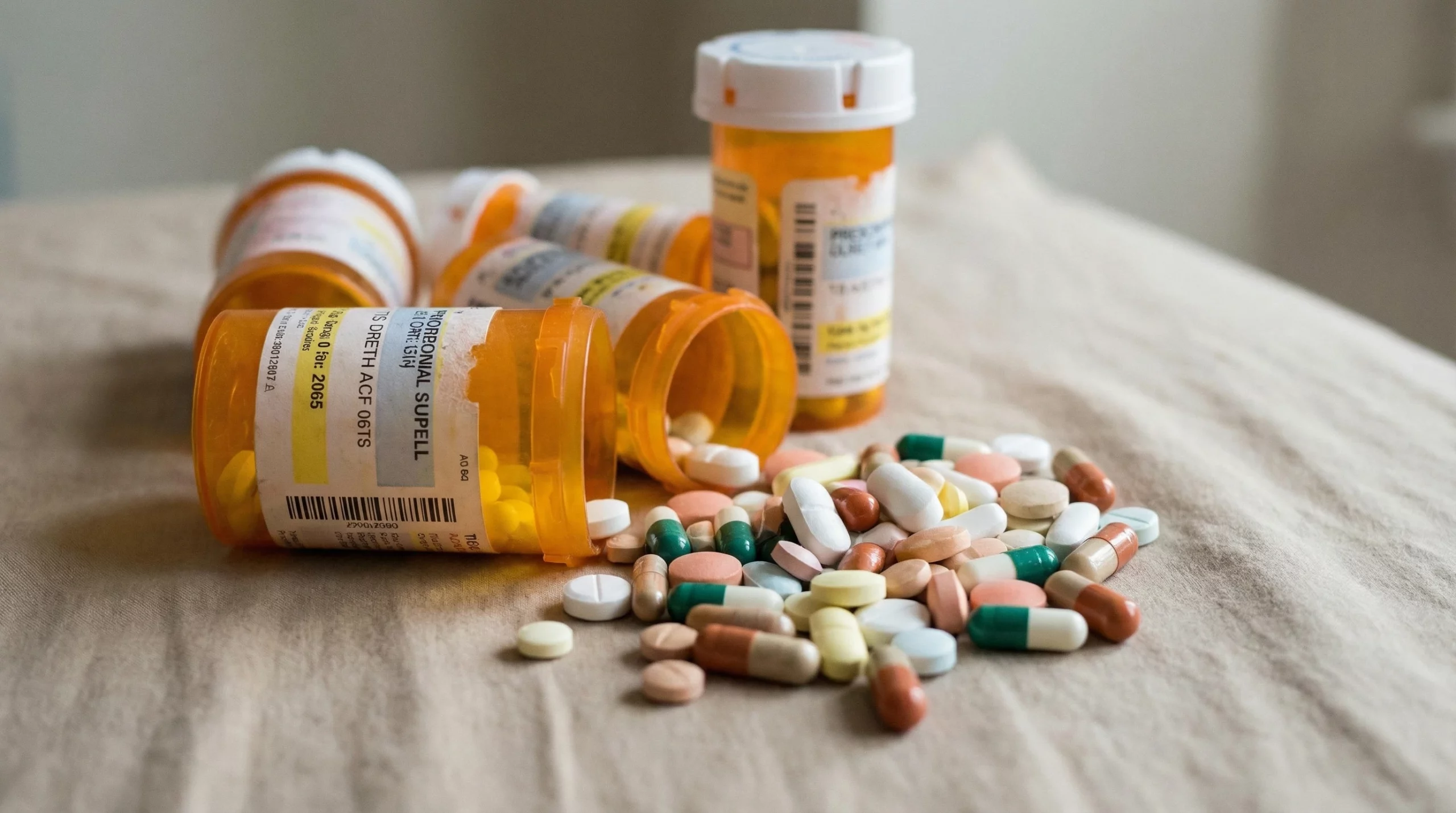
Drug abuse, sometimes called substance misuse, refers to using drugs in a way that isn’t recommended, safe, or legal. This could mean taking more than the recommended dose of prescription meds, using someone else’s medications, or taking illegal substances recreationally. Not everyone who abuses drugs becomes addicted, but the risks definitely climb the longer misuse continues.
Growing up, I saw friends experiment with prescription pills at high school parties, thinking it was no big deal. That kind of casual misuse felt pretty ordinary where I lived, but even when someone did it just a handful of times, negative effects weren’t far behind. Trouble focusing, headaches, and mood swings all made regular appearances long before anything like “addiction” set in.
How Addiction Is Different
Addiction goes beyond just using drugs in the wrong way. With addiction, a person develops a mental and sometimes physical need for the substance. It’s not just a bad habit or a series of risky choices. Addiction changes the brain’s reward system and makes quitting incredibly tough, even when serious problems start to pile up.
People with addiction usually can’t stop, even if relationships fall apart, money runs out, or health takes a nosedive. I’ve seen folks who swear they want to quit, even make promises to themselves or their families, but their brains just won’t let them walk away that easily. It’s a complicated mix of physical dependency and emotional patterns that can keep people stuck.
Key Differences Between Drug Abuse and Addiction
- Control: Drug abuse might involve risky or harmful use, but addiction comes with a loss of control. Someone with an addiction struggles to stop, even if they want to, and even if there are clear problems because of it.
- Frequency and Compulsion: Not everyone who abuses drugs uses them every day. With addiction, cravings or withdrawal symptoms can make the urge to use constant and overwhelming.
- Impact on Life: Drug abuse can lead to negative outcomes like losing a job or getting into legal trouble, but addiction tends to turn into a long-term struggle, affecting almost every area of life, from physical health to personal relationships.
- Physical Dependency: Not all drug abuse leads to physical dependence (where your body needs the drug just to function normally), but most addictive drugs do create this dependency over time.
Examples That Make It Clear
If someone takes extra painkillers or sometimes uses cocaine at parties, they’re engaging in drug abuse. If those same actions happen more frequently, and stopping brings on intense cravings, shaking, sweating, or extreme mood swings, that’s signaling a switch from abuse to addiction.
I remember working with a person who started with casual weekend drinking and occasionally experimenting with prescription meds. Over a year or so, she began sneaking drinks and pills at work just to feel “normal.” The compulsion was obvious, and the idea of missing a dose made her panic. That’s a real shift from misuse to addiction territory.
Factors That Influence Abuse and Addiction
Plenty of things can influence why someone moves from drug abuse to addiction, and why others don’t. Here are some factors that come up often:
- Genetics: Family history can make addiction more likely.
- Mental Health: Anxiety, depression, or past trauma all increase the risk.
- Environment: Having friends or relatives who use drugs, living in high-stress situations, or having easy access to substances all tip the balance.
- Age of First Use: Starting young, especially during the teen years, can raise the chances of developing a problem later.
Recognizing Signs of Abuse vs. Signs of Addiction
Knowing what to look for makes a big difference. Here are some patterns I’ve noticed after years of supporting folks in recovery:
Common Signs of Drug Abuse
- Noticeable changes in behavior or friend groups
- Intense mood swings or irritability
- Declining performance at work or school
- Occasional run-ins with the law or other risky situations
Common Signs of Addiction
- Inability to stop using despite wanting to
- Neglecting important responsibilities or previously enjoyed activities
- Preoccupation with finding or using the substance
- Physical withdrawal symptoms (nausea, sweating, shaking, etc.) when not using
One person I met at a local support group said she brushed off her weekend pill misuse for months. Only when she started lying about where her money was going, and felt ill if she didn’t take anything, did she realize addiction had set in.
Risks Connected with Abuse and Addiction
Both drug abuse and addiction bring plenty of risks, but addiction tends to create bigger problems down the line. Here’s what I’ve seen repeatedly:
- Health Issues: Accidental overdose, long-term organ damage, infections, and increased risk of mental health problems.
- Relationship Problems: Arguments, broken trust, and growing distance from friends or family.
- Legal Troubles: Drug abuse or addiction can lead to arrests, court dates, and records that stick around for years.
What Recovery Looks Like for Each
The path to feeling better can look pretty different depending on whether someone is dealing with drug abuse or addiction. Intervening early, when it’s just misuse, might just mean education, healthier habits, or therapy. Once addiction is in the mix, recovery often calls for more support: medical treatment, detox, counseling, and joining rehab programs or support groups. Some people say that just having the right support early on kept them from going further down the road toward addiction.
For some, it can help to talk with a counselor or addiction specialist even during the early stages of drug abuse, before things progress too far. By making changes early and seeking guidance, people have a better shot at avoiding some of the more serious consequences that can come with addiction. Open conversations, honest self-reflection, and building a support system really pay off.
Things To Keep in Mind When Seeking Help
If you or someone you care about is struggling, it helps to be honest about what’s really going on. Catching the problem at the stage of abuse can make a big impact on how easy it is to get back on track. If it’s crossed into addiction, there are plenty of resources out there; rehab centers, support groups, and hotlines all offer different strengths. Careful research helps people connect with help that actually fits their needs.
The Substance Abuse and Mental Health Services Administration (SAMHSA) has a national helpline that’s pretty handy for finding help in the United States. You can read more about it or get connected here: https://www.samhsa.gov.
Frequently Asked Questions
Question: Is drug abuse the same as addiction?
Answer: Drug abuse means using drugs in risky or unhealthy ways, but addiction is when you lose control and keep using even with serious consequences. Not all drug abuse leads to addiction, but it can.
Question: Can someone recover from addiction?
Answer: Yes, recovery is possible, but it usually takes ongoing effort, support, and sometimes medical help. Many people find groups, therapy, and treatment really useful.
Question: What are some warning signs that drug abuse may be turning into addiction?
Answer: Needing more of the drug to get the same effect, feeling sick when not using, or being unable to cut back even if you want to are all warning signs.
Final Thoughts
Both drug abuse and addiction come with risks, but understanding their differences gives you better tools for spotting trouble early or supporting someone in need. With knowledge and the right support, it’s possible to turn things around, even if the adventure feels tough. If you or someone you know is struggling, reaching out for help is a really important first step. Simply talking about the issue or learning more can help you figure out the next steps and take positive action.
Video: This is how addiction happens vs drug abuse #AddictionTruth #RecoveryAwareness #EndStigma