If you’ve ever wondered how ancient people tried to break free from addiction, you’re not alone. The history of addiction recovery is both complex and fascinating, reaching back thousands of years before modern rehab centers or therapy apps even existed. Long before the emergence of structured treatment programs, people across various cultures sought ways to cope with the destructive habits that harmed their minds, bodies, and communities. The quest for freedom from addiction is a testament to human resilience and the enduring desire to heal.
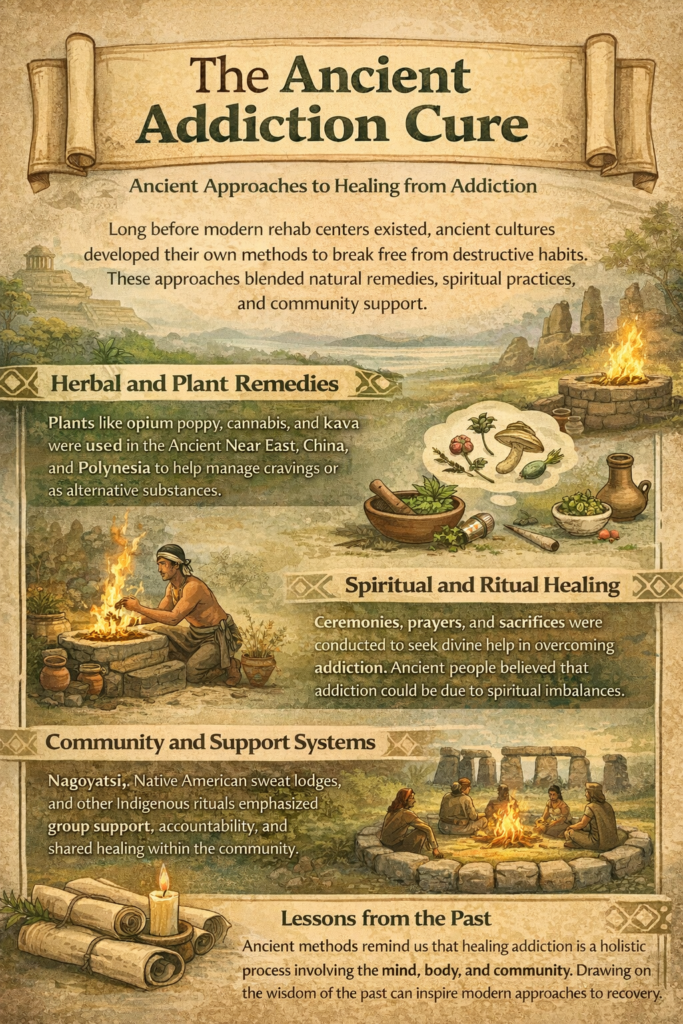
Ancient civilizations used a variety of methods, from herbal remedies and spiritual rituals to communal support systems, to manage addiction. In some cultures, addiction was seen not just as a personal failing but as a spiritual or moral crisis, often requiring rituals or divine intervention to overcome. In other societies, healing came through close-knit social groups that emphasized accountability, collective responsibility, and shared healing. From the use of plants with psychoactive properties in the Ancient Near East to the community-based support systems found in Indigenous cultures, the ancient approaches to addiction recovery were as varied as the cultures themselves.
Understanding these early paths to healing gives us valuable insight into the history of addiction and provides a broader perspective on modern recovery methods. Whether driven by spiritual beliefs, communal support, or natural medicine, ancient people were deeply aware of the need to address destructive behaviors, laying the groundwork for the more formal addiction treatment systems we rely on today.
Where Ancient Recovery Began
Long before the word “addiction” even existed, cultures around the world recognized problems caused by substances like alcohol, opium, and various psychoactive plants. Ancient Egyptians, Greeks, Chinese, and Indigenous communities quickly noticed that certain habits were tough to break and could damage both individuals and their groups.
For example, the Egyptians dealt with “inebriation” problems more than 3,000 years ago. Ancient texts mention the trouble brought on by heavy drinking and describe the attempts people made to cut back or quit. In China, opium swept through society so much that families, villages, and even the government worked together to curb its use. Simultaneously, the ancient Greeks celebrated wine, but stories also warned of the dangers of overindulgence. Dionysus, the god of wine, symbolized both joy and chaos. Clearly, people struggling with addiction is nothing new.
Many early cures were rooted in spirituality or connected to the natural world. Priests, shamans, and healers often served as addiction counselors, using natural remedies, rituals, and prayer to support those trying to break free from destructive habits.
Traditional Remedies and Natural Approaches
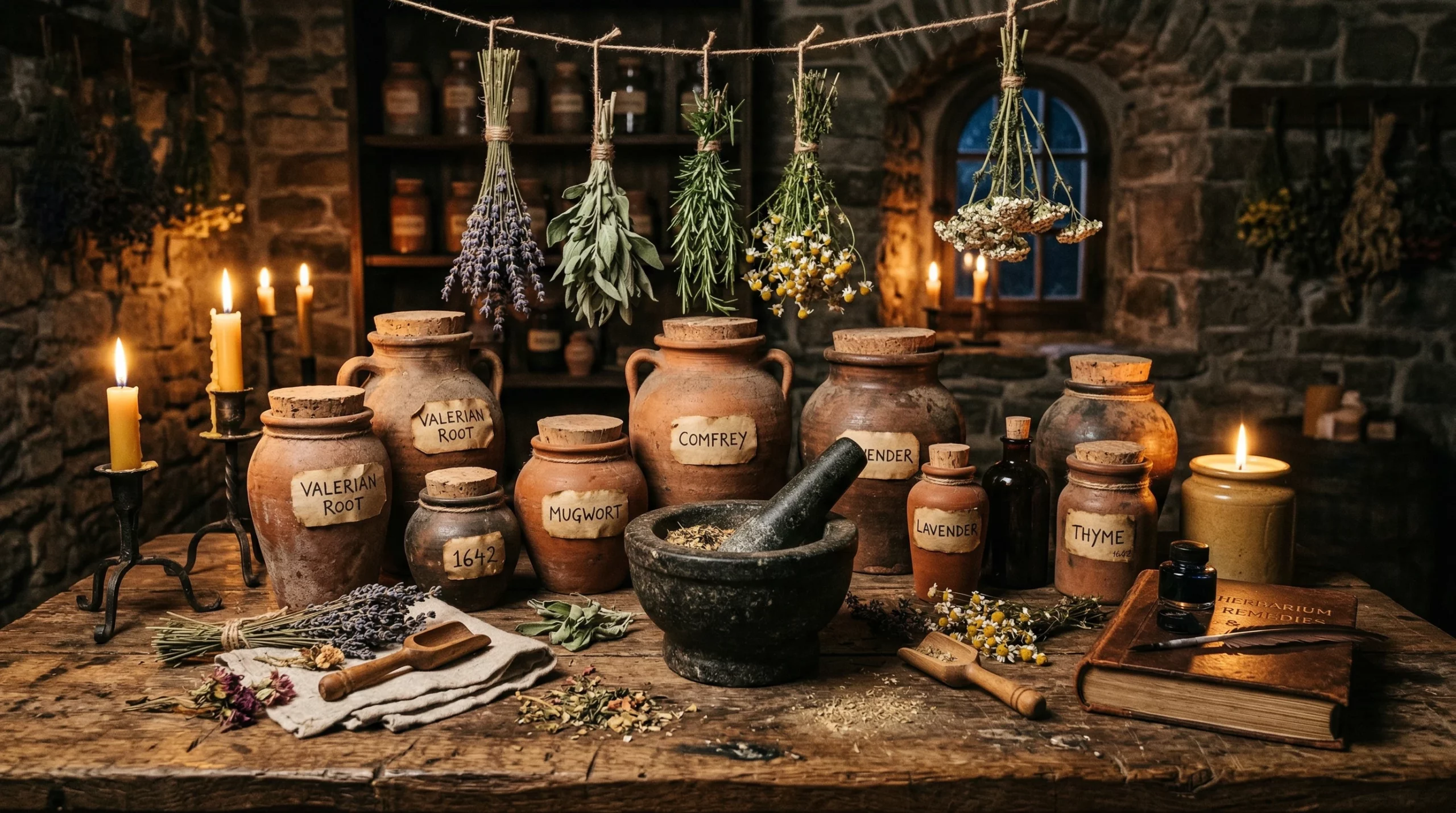
Ancient healers turned to plants, roots, and minerals with calming, cleansing, or bitter properties. A lot of the natural remedies used centuries ago are still valued by herbalists today. Here are some treatments from the past that have left a mark:
- Milk Thistle: Used by ancient Greeks and Romans to support the liver, especially for those suffering from heavy drinking. It’s still popular in natural medicine circles for its benefits in liver detoxification.
- Kudzu Root: This vine, native to East Asia, appeared in Chinese medical texts over 1,300 years ago as a support for reducing alcohol cravings. Modern research shows mixed results, yet kudzu continues to be studied for its potential to help moderate drinking.
- Blue Lotus: In Egypt, this plant served as both a psychoactive and a natural sedative. It helped ease withdrawal symptoms and promote relaxation—crucial for anyone calming their mind after substance misuse.
- Bitter Herbs: Plants like wormwood and gentian root were used to “drive out demons” (a metaphor for addiction) and help the body reset after chronic use of intoxicants.
Healers often combined several plant remedies, believing that supporting the body, mind, and spirit together offered the best shot at recovery. Herbal treatments might also be paired with mineral baths, fasting, or time spent in secluded healing spaces.
Community, Ritual, and Social Healing
Treatment wasn’t only about taking herbs. Many ancient cultures leaned heavily on community rituals and spiritual ceremonies to help people through withdrawal and recovery.
For instance, Indigenous North American tribes held group sweat lodge ceremonies. Through heat, chanting, and shared experiences, individuals cleansed both physically and mentally. These traditions held that breaking addiction needed not just physical cleansing but strong emotional and spiritual support as well.
Temples in ancient Greece and Egypt offered ritual purification to those dealing with substance issues. Activities like prayer, guided meditation, periods of silence, and fasting were tools meant to foster spiritual cleansing and help someone conquer overwhelming cravings.
Social support was just as important as herbal mixtures or rituals. Philosophers in ancient Greece and Rome believed that healthy friendships and wise mentors made lifestyle changes easier. These early support circles were the original inspiration for the group recovery programs we see today.
Understanding the Role of Spirituality
Ancient recovery wasn’t just about physical remedies; beliefs about self and the cosmos mattered too. Many felt addictive behavior left them “out of balance” with the world or the gods and saw recovery as a way to return to wholeness rather than simply quitting a substance.
Spirituality remains a vital part of recovery today, and its roots can be traced to ancient systems. Whether through shamanic journeys, pilgrimages to sacred sites, or daily reflection, people turned to something bigger than themselves for strength. Faith and ritual often brought the resilience needed to endure tough withdrawals and relapses.
Practical Takeaways from Ancient Addiction Cures
Some ancient methods remain practical even now. Here’s what has stood the test of time and what you can draw inspiration from:
- Herbal Support: Modern herbal supplements, such as milk thistle and kudzu, can support your body during detox. Always ask a healthcare provider before trying anything new.
- Community Involvement: Group support—friends, meetings, or online communities—is as important now as it ever was. Healing together makes a big difference.
- Ritual and Mindfulness: Creating small rituals, such as dedicating time to meditation, helps rewire routines and encourages new, healthier habits. Even lighting a candle with intention each day can be meaningful.
- WholePerson Healing: Caring for your mind, body, and spirit leads to longer-lasting recovery. It takes nourishing food, movement, rest, and genuine connection to succeed.
Challenges Faced by Ancient Healers
Despite their resourcefulness, ancient healers faced many obstacles. Withdrawal symptoms could be frightening and dangerous, and some practices, like extreme fasting, sometimes did more harm than good. Superstitions around addiction being a “spiritual possession” or a “curse” could lead to rejection instead of support. Not every cure succeeded, and many treatments were experimental and wouldn’t meet today’s safety standards.
Now, we see addiction as a blend of biology, psychology, and environment, and we have tools like therapy and medication. However, there’s still much value in learning from the past, especially regarding natural remedies and social connection.
Finding Your Way with Ancient Techniques in Today’s World
If you’re interested in exploring traditional or natural recovery routes, mixing them with modern methods leads to a balanced approach. Herbal treatments, mindfulness rituals, and community support now appear in many recovery programs, both private and community-based. Some centers offer yoga, acupuncture, and spiritual counseling—all influenced by ancient philosophies.
Be wary of any “magic bullet” claims. Just because a method is old doesn’t make it safe or effective. Careful research and advice from healthcare professionals will help you make solid choices. But if you find encouragement in ancient wisdom, you’re joining a legacy that spans thousands of years.
Ancient Addiction Recovery in Today’s Practice
Many modern recovery centers blend ancient approaches with scientific therapies. For example, some programs offer sweat lodge ceremonies, plant-centric diets, or meditation inspired by Eastern traditions. The goal is to treat the whole person—physically, emotionally, socially, and spiritually.
- Herbal Assisted Detox: Some detox centers partner with naturopaths who put to work herbal extracts to ease withdrawal. This approach mirrors how ancient healers relied on roots and plant tinctures.
- Mindfulness and Ritual: Meditation retreats, yoga, and group rituals allow people to disconnect from stress and refocus, echoing ancient temple retreats.
- Community and Sharing Circles: Group recovery programs are inspired by ancient talking circles, where sharing stories created support and accountability.
Frequently Asked Questions
If you want to get into the world of ancient addiction cures, here are some common questions that come up:
Question: Did ancient remedies actually work?
Answer: Some likely supported people, especially those who helped the liver, settled nerves, or reduced cravings. Others wouldn’t meet today’s safety standards. Often, it was the mix of herbs, ritual, and community support that made a difference.
Question: Are any of these old remedies used today?
Answer: Definitely! Milk thistle and kudzu are available as supplements. Mindfulness and ritual are big parts of many current recovery programs. Group support—a staple of ancient traditions—is more popular than ever, blending ancient insight with modern techniques.
Question: Can ancient cures replace modern medicine?
Answer: Ancient remedies are best viewed as additional tools, not replacements for professional care. They work best alongside the help and supervision of doctors, therapists, and recovery resources.
Finding the Right Path For You
Looking into the ancient addiction cure shows that recovery is an age-old struggle. There’s wisdom in drawing from the past as you forge ahead. Herbal support, rituals, and social connection have helped people for generations, and they’re still relevant today. No matter what approach you choose, tending to your whole self and building supportive relationships can make recovery more successful.
There is power in human connection, in natural practices, and the courage to keep going—no matter the century.
Video: What Indigenous Healers Knew About Addiction Recovery #spiritualhealing #ancientcure