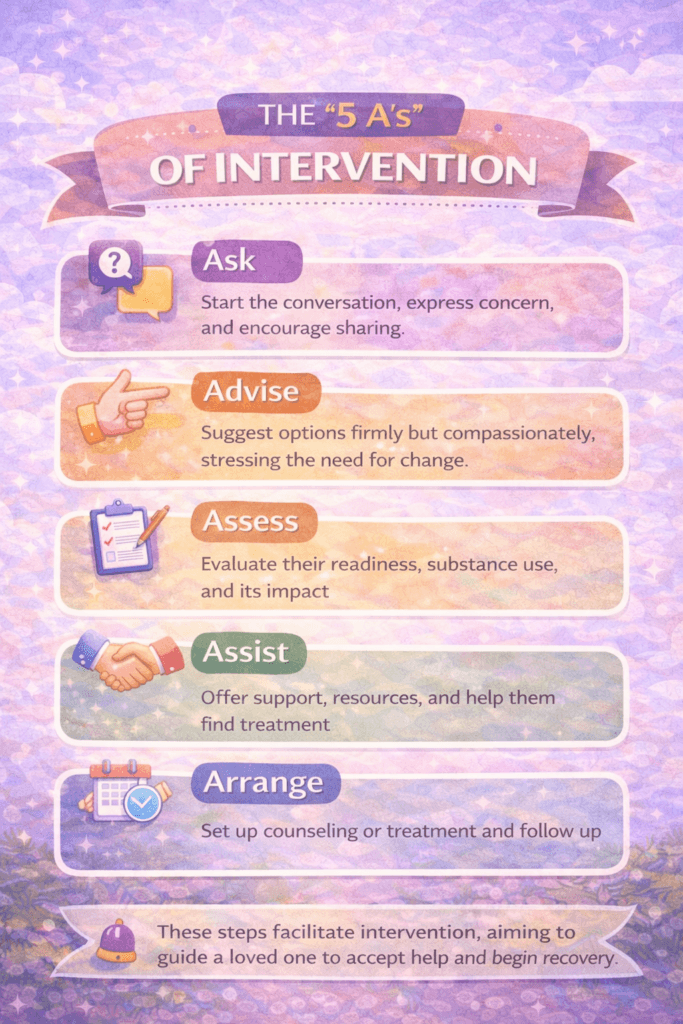
The “5 A’s” of intervention—Ask, Advise, Assess, Assist, and Arrange—are one of my favorite frameworks for supporting behavior change. Whether you’re a health professional, a counselor, or simply someone who wants to help a friend quit smoking, these practical steps give you a structure that feels both approachable and easy to remember. I’m going to break down each “A” and share tips on how to use them in real-life conversations to achieve better outcomes.
Understanding the 5 A’s of Intervention
The 5 A’s model was originally developed for tobacco cessation, but I’ve seen it work for a wide range of behavior change goals. From reducing alcohol use to managing chronic health conditions, this method is rooted in straightforward communication, empathy, and a bit of planning. The model is especially handy in busy clinical settings, but honestly, the approach is just as useful in everyday life. Making things simpler and maintaining empathy helps both you and the person you’re helping stay on track.
The five steps help turn a potentially awkward or overwhelming talk into a manageable process. Whether you’re new to this or want a refresher, here’s what each of the A’s stands for:
- Ask: Bring up the topic and identify concerns or risks.
- Advise: Share clear, practical recommendations tailored to the person.
- Assess: Gauge readiness to make a change; everyone’s at a different spot.
- Assist: Provide resources, support, and guidance for their unique situation.
- Arrange: Help set up follow-ups or connections to keep the ball rolling.
This framework really switched up how I talk to people about behavior change. Now, instead of feeling pushy or unsure, I’m able to keep things person-centered and supportive.
Breaking Down Each Step of the 5 A’s
Each “A” plays its own role in advancing the conversation. Let’s dig into what each step looks like and share a few practical pointers for putting it into play, using quitting smoking and improving healthy habits as examples. This way, you can see how these steps come to life in actual conversations.
Ask
Start by opening the conversation in a nonjudgmental way. For example, I might say, “Can I ask if you’re currently using tobacco products?” or “Would it be okay if we chat about your nutrition habits?” That simple question shows respect and sets the tone for a safe, open discussion.
Tips for Asking:
- Use open-ended questions; this gets more than just a yes or no.
- Keep your tone relaxed and avoid sounding accusatory.
- Remember, not everyone is ready to talk right away, and that’s totally fine.
Advise
Once the topic’s out there, I move on to sharing evidence-based advice. But always tailor it to the individual. For example, if someone is thinking about quitting smoking, I might say, “Research shows that quitting smoking can lower your risk for heart disease. If you’re open to it, I can share some resources to help.”
Tips for Advising:
- Personalize your advice to their health status or goals.
- Be clear and concise without overwhelming them.
- Focus on the benefits that matter to them (like saving money or having more energy).
Assess
People move at their own pace, so checking their readiness is really important. I might say, “How would you feel about trying to cut down?” or “On a scale of 1 to 10, how ready do you feel to make this change?” This not only helps steer the conversation but also shows you’re respecting their autonomy.
Tips for Assessing:
- Never rush this step. Allow space for honesty.
- Normalize ambivalence. Change is tough, and mixed feelings are common.
Assist
If someone feels ready, I get practical: “Would it help if I walked you through some quitting strategies?” or “Do you want to look at apps, medications, a support group, or something else?” This stage is about matching the support to their preferences, not just what I think is best.
Examples of Assistance:
- Linking to information or hotlines (like smokefree.gov or local quit lines).
- Helping brainstorm coping strategies for tough moments.
- Suggesting tools they haven’t heard of, such as mindfulness techniques or online communities.
Arrange
Keeping the ball rolling is sometimes the most overlooked step. If you can, offer to check in, whether that’s a scheduled follow-up, a message, or connecting them to other resources. For example, “Can I call you in two weeks to see how it’s going?” or “Would you like me to help schedule a follow-up with your doctor?”
Ways to Arrange Follow-up:
- Set reminders on your calendar for a check-in.
- Encourage booking an appointment with a professional or support service.
- Offer ongoing encouragement, even if it’s just texting an occasional “How are you doing?”
Challenges and Things to Watch Out For
Like any approach, the 5 A’s have their bumps in the road. People sometimes aren’t ready to talk, or you might worry about sounding nosy. Here’s my take on a few tricky areas and how to handle them:
- Resistance or Ambivalence: Not everyone is eager for change, and that’s normal. Express patience and let them know you’re available when they’re ready.
- Cultural Differences: Customs, beliefs, or language can affect how advice is received. Tailor your approach and ask for input on what feels comfortable for them.
- Information Overload: Offering too many resources at once can be overwhelming. Stick to one or two next steps.
How I’ve Navigated These Challenges
I find a gentle approach gets better results than trying to “convince” someone; it’s about staying curious and supportive. Sometimes my first conversation is just planting a seed, and I let people know it’s okay if they’re not ready.
One thing I keep in mind is that timing is everything. Even if the person isn’t ready to act today, your supportive conversation might make a real difference later on. I’ve seen cases where simply being there, listening, and offering gentle support makes folks more likely to make positive changes down the road. It’s about building trust and letting people move at their own pace, while keeping the door open for future conversations.
Small Details That Make the 5 A’s Work Better
From my own experience, a few small tweaks can really give a boost when using the 5 A’s:
- Keep notes (with permission) so you can personalize follow-ups.
- Use affirmations to reinforce any steps in the right direction. Even small wins matter.
- Share stories or examples if the person is open; real-life experiences can help boost motivation.
- Follow up even if they didn’t take action. Let them know you’re still available to support them.
When I work these little touches into my conversations, people feel listened to instead of lectured. It’s these personal connections that spark lasting change and encourage honest dialogue, even when progress feels slow.
Examples of the 5 A’s in Real-World Scenarios
Here are a couple of scenarios to show how smoothly this approach works. These examples will give you a better sense of the real impact the 5 A’s can have:
- Smoking Cessation: I ask about current habits, advise quitting, assess willingness, assist with a quit plan and nicotine replacement options, then arrange for check-in calls.
- Improving Diet: I ask about current eating patterns, advise on small healthy changes, assess readiness for change, assist with a list of easy recipes, and arrange a nutritionist referral or group meeting.
- Managing Stress: I ask about stress sources, advise on stress-relief techniques, assess what’s manageable, provide practical tools (like journaling), and arrange a follow-up or a connection to online resources.
Using examples like these, you can see how the framework can flex for lots of conversations, not just quitting smoking. The basics of Ask, Advise, Assess, Assist, and Arrange translate well whether you’re discussing sleep, exercise, family routines, or even workplace wellness programs.
Frequently Asked Questions
Here are a few questions I run into most often about using the 5 A’s:
Question: Is it okay to use just some of the A’s if time is short?
Answer: Absolutely. Even asking a single open-ended question or sharing a helpful resource can start someone on the path to change. Short-cuts still matter when people feel heard.
Question: What if someone isn’t ready to change?
Answer: Don’t force it. The Assess step is your guide. If they aren’t ready, you can leave the door open for future conversations. Patience and an open door go a long way.
Question: Where can I find more resources to support the Assist stage?
Answer: There are many great tools online, like the CDC’s guidelines, smokefree.gov for tobacco, or your own local community health programs that offer handouts and support groups. Don’t hesitate to check in with these organizations, since new resources pop up all the time.
Why the 5 A’s Still Matter
I come back to the 5 A’s because they work. They make tough conversations easier and keep things focused on what the person actually needs. There’s no magic formula for behavior change, but having a structure really helps. Whether you’re working one-on-one or leading a group session, these steps give you a direction and help you help others in a way that feels respectful and realistic.
If you’re interested in learning more or want to see more examples of how I use the 5 A’s in action, check out resources from the CDC or the American Academy of Family Physicians. There’s a lot of good info out there to keep you inspired and on track.
Video: These 5 Words Might Save Their Life #intervention #addiction #help