When people talk about the most abused drug worldwide, alcohol always lands at the very top. It’s all around us. At parties, restaurants, family gatherings, sporting events, or even just relaxing at home. Because it’s legal and so common, many folks don’t see its risks until things get serious. I’m going to walk you through what really makes alcohol the number one abused drug, how it impacts people and communities, and why paying attention to how we use it is really important for our health and society.
What Makes Alcohol So Widely Used?
Alcohol has been around for centuries, woven into traditions, rituals, and celebrations. Its legal status and social acceptance mean it blends in pretty much everywhere, so most adults have tried it at some point. Businesses market beer, wine, and spirits as ways to unwind or connect with others, so it doesn’t always even feel like a drug.
A big reason alcohol tops the list of most abused drugs is just how accessible it is. Liquor stores, bars, supermarkets, and restaurants make grabbing a drink easy, no matter where you live. Most places have a drinking age (often 18 or 21), but underage drinking still happens a lot, making early exposure to alcohol super common. For some, having alcohol in social settings makes it feel like “no big deal” to drink even more than intended.
Society’s relaxed attitude toward drinking also plays a role. In many cultures, alcohol is considered a normal, almost expected, part of celebrations, family holidays, or casual daily life. Advertising for alcoholic drinks is widespread, often showing fun, happy faces enjoying a night out or relaxing at home. It’s part of the scenery that most of us rarely stop to question.
Understanding What Alcohol Does To the Body and Brain
Alcohol might seem harmless at first, especially when compared to drugs that are banned or carry a heavy stigma. But it acts as a depressant for the central nervous system, slowing down messages between the brain and body. At first, it may make people feel relaxed, confident, or less anxious, which explains why it’s so popular at social events.
Drinking messes with coordination, thinking, and self-control pretty quickly. At high enough doses or over time, the risks get much bigger. Here’s what regular or heavy drinking can do:
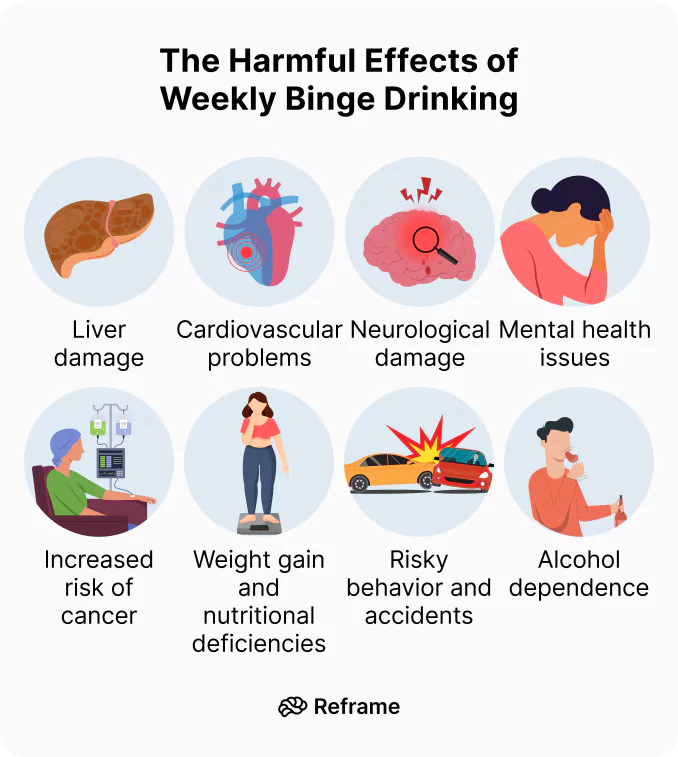
- Liver Problems: Heavy drinking is a leading cause of cirrhosis, liver failure, and other chronic liver issues.
- Heart Trouble: Alcohol raises blood pressure, weakens the heart muscle, and increases stroke risk.
- Brain Effects: Long-term abuse can mess with memory, learning, mood, and decision-making.
- Mental Health: People who use alcohol to cope with stress or trauma often develop anxiety, depression, or even alcohol dependence as a result.
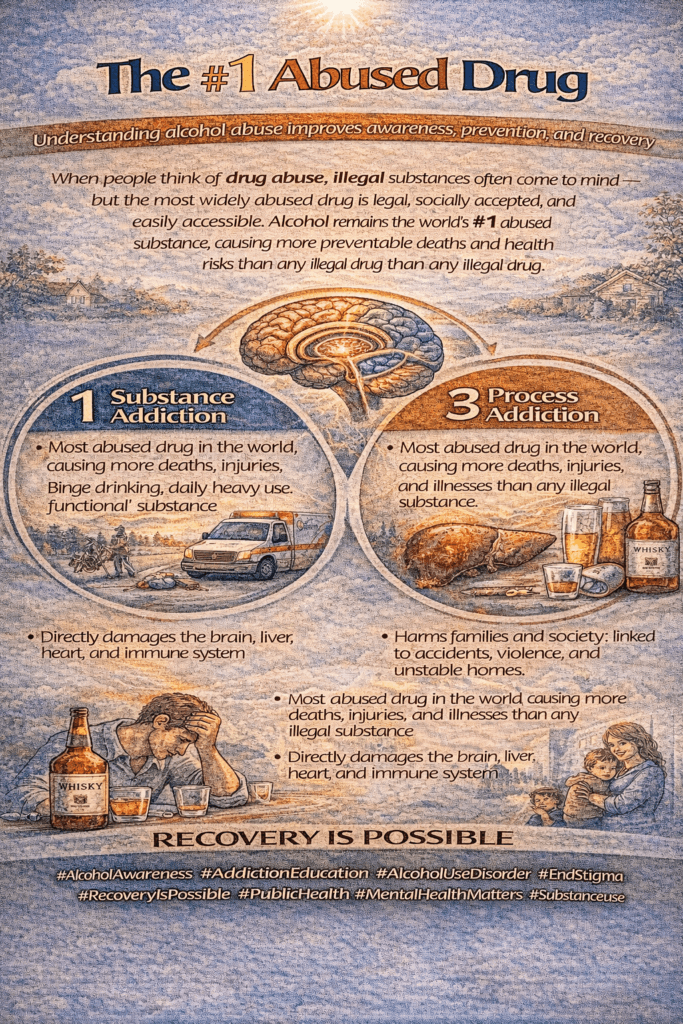
Hangovers and poor decisions after drinking are common, but over time, the impact can be much more serious. Sometimes the effects are even deadly. According to the World Health Organization, alcohol causes about 3 million deaths globally every year (source), which is higher than any other drug.
Alcohol also affects every person a little differently. Factors like body weight, tolerance, how fast you drink, and whether you have food in your stomach can all change how alcohol hits you. Some people can drink more without feeling as drunk, while others become impaired more quickly or develop problems after just a few drinks.
Why Do So Many People Turn to Alcohol?
Everyone’s reasons for drinking are a bit different. Some use alcohol to unwind after a busy day, others drink at social gatherings to loosen up, and plenty of folks end up with a glass in hand just out of habit. For some, drinking becomes a way to deal with stress, tough emotions, or even mental health issues like anxiety or depression.
Family history and genetics play a part. If someone grows up seeing family members drink heavily or struggle with addiction, there’s a higher chance they’ll develop similar habits. Social pressures are strong, too. In many places, refusing a drink or skipping a round can make people feel left out or self-conscious.
Boredom, loneliness, and even the desire to “fit in” all contribute to why people drink. For teenagers, early exposure often comes from peer pressure or seeing adults drink at home. Some folks grow up watching alcohol play a part in resolving stress or ending a long day, leading them to copy the same patterns without thinking about it.
The Line Between Social Drinking and Problem Drinking
For most people, drinking stays in the “occasional” category. But when someone starts drinking more often, needs alcohol to feel “normal,” or finds it hard to stop after one, things can get out of hand.
A few warning signs for problem drinking:
- Using alcohol to escape stress, sadness, or boredom regularly
- Drinking more than planned, or not being able to stop
- Struggling at work, in school, or with relationships because of drinking
- Continuing to drink even when facing legal, health, or personal issues
It’s easy to downplay these habits because drinking is so normalized. But if someone finds themselves or a loved one ticking off a few items from this list, reaching out for support can make a big difference. Spotting these red flags early helps prevent issues from spiraling out of control.
Risks and Consequences of Alcohol Abuse
Alcohol’s dangers go far beyond hangovers and embarrassing stories. Drunk driving, for example, is a major concern in many countries. The National Highway Traffic Safety Administration in the US reports that nearly a third of all traffic deaths involve alcohol-impaired drivers (source).
Other consequences can include:
- Injuries: Falls, accidents, and violence are much more likely when someone’s been drinking
- Legal Trouble: Drunk driving, underage drinking, or public intoxication can mean fines, jail, or worse
- Health Issues: Cancer (especially of the mouth and throat), liver disease, heart disease, and brain problems are all linked to long-term drinking
- Broken Relationships: Drinking problems often strain families and friendships
- Work or School Struggles: Missing deadlines, absenteeism, and decreased performance are common
Alcohol Dependence and Withdrawal
Once a person’s body becomes used to having alcohol, quitting suddenly can cause serious withdrawal symptoms like shaking, sweating, nausea, anxiety, and even life-threatening seizures. That’s why it’s a good idea for anyone dealing with alcohol dependency to find help and not just try to stop “cold turkey.” Support groups and medical professionals are equipped to make this process safer.
In some cases, withdrawal is so severe that it needs to be managed in a hospital or clinic. Symptoms can set in within hours and become dangerous without proper care. If you or someone you know is trying to stop drinking after long-term heavy use, reach out to a medical professional to talk about safe detox options. There is help available, and seeking it is a strong first step.
Addressing Alcohol Abuse: Some Practical Steps
For people who want to cut back or quit, tackling alcohol use usually starts with honesty and support. Here’s what makes a difference based on what I’ve seen and heard from others:
- Keep Track: Writing down what, when, and why you drink can shed light on patterns you may not notice otherwise.
- Set Realistic Goals: Decide if you want to cut down or stop completely, and set small, doable targets (like “no drinking on weekdays”).
- Find Alternatives: Replacing booze with sparkling water, tea, or other nonalcoholic drinks is a good way to form new habits. I’ve seen friends stumble upon alcohol-free beers or mocktails they actually enjoy!
- Talk About It: Letting friends or family know your plans helps with accountability.
- Seek Professional Help: Doctors, therapists, or recovery coaches can offer support, strategies, or treatment if needed. Especially for withdrawal.
It can help to remove alcohol from your home and to avoid situations where you might be tempted to drink. Building a support network—whether friends, family, or a recovery group—provides encouragement, ideas, and comfort when things get tough. Remember, slipping up doesn’t mean failure. It’s a process, and every step is part of making a healthy change.
The Real-World Impact of Alcohol Abuse
The impact of alcohol abuse ripples out beyond just the individual. Hospitals spend a lot of resources treating alcohol-related injuries and illnesses. Families often face tension, arguments, or financial strain when someone’s drinking is out of hand. Workplaces lose productivity when employees struggle with hangovers or absences due to drinking.
From small towns to big cities, you can see how alcohol shapes everything from local economies to law enforcement and public health. Community programs that focus on responsible drinking or offer surefire resources for those struggling with alcohol use can help reduce harm in a real, lasting way. Educational campaigns, alcohol-free events, and treatment resources all play a part in addressing this massive issue.
Communities also invest in harm reduction—like better public transportation at night or sober ride services—to keep people safe. The more we talk openly about alcohol’s impact, the easier it becomes for people to seek help and for communities to step up support systems.
Common Questions about Alcohol Abuse
Question: Can you really become addicted to alcohol?
Answer: Yes, alcohol can be physically and mentally addictive. Some people develop a tolerance and need more to feel the same effects over time, which often leads to dependence and withdrawal symptoms when drinking stops.
Question: What’s the difference between drinking a lot and having an alcohol use disorder?
Answer: Having an alcohol use disorder means drinking is causing problems in your life (health, work, relationships), and you can’t control how much or when you drink, even if you want to stop.
Question: How do I know if I’m drinking too much?
Answer: If you find yourself needing to drink more to get the same feeling, drinking more often, or struggling to cut back, it’s a good idea to talk with a doctor or counselor.
Question: Are there safe levels of drinking?
Answer: Guidelines vary, but medical experts agree that the less you drink, the lower your risk of harm. For those with health problems or on certain medications, even a little alcohol can be risky.
Why It Matters to Pay Attention to Alcohol Use
Alcohol is part of everyday life for a lot of people, but it’s no secret that it’s the most abused drug worldwide. Being aware of how and why you drink—plus knowing the risks—helps you make choices that keep you and those around you safer and healthier. If you or someone you care about wants to make a change, there’s plenty of help out there and no shame in reaching for it. Staying informed and mindful is super important as you find your way through the realities of alcohol in today’s world.
Video: This Is Why Alcohol Is So Addictive #science #health