Noticing changes in skin color can feel unsettling. Sometimes it’s just a minor issue like spending too much time in the sun, but other times it’s connected to something going on inside your body. Skin color changes, especially yellowing or darkening, can be an early warning sign of liver damage. Knowing what to watch for and when to pay attention is super important if you want to stay on top of your health.
What Skin Color Changes Can Signal About the Liver
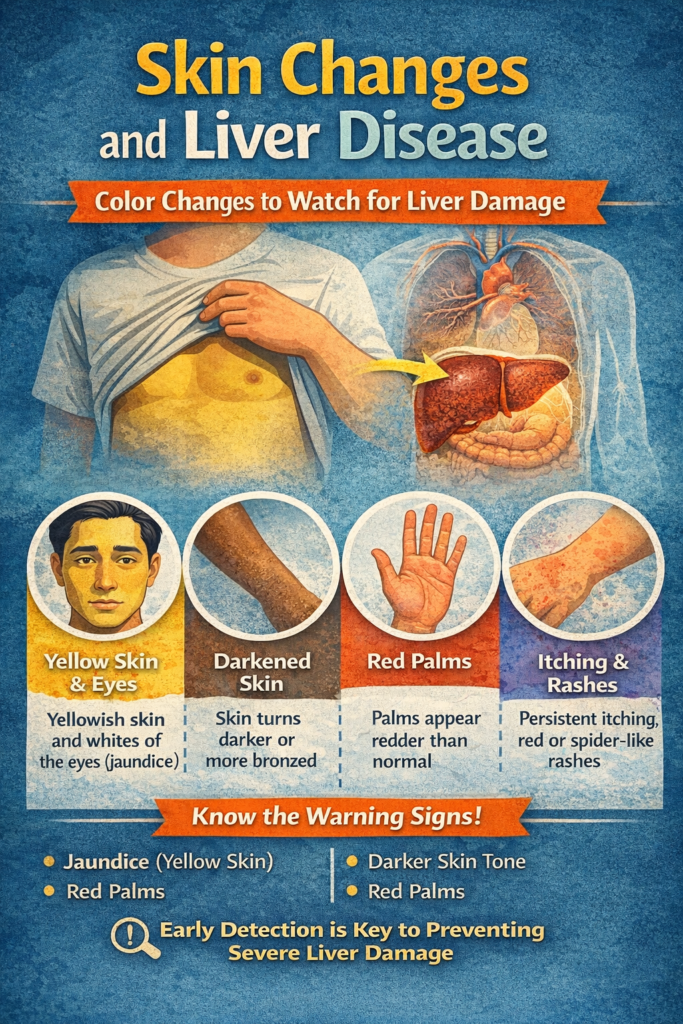
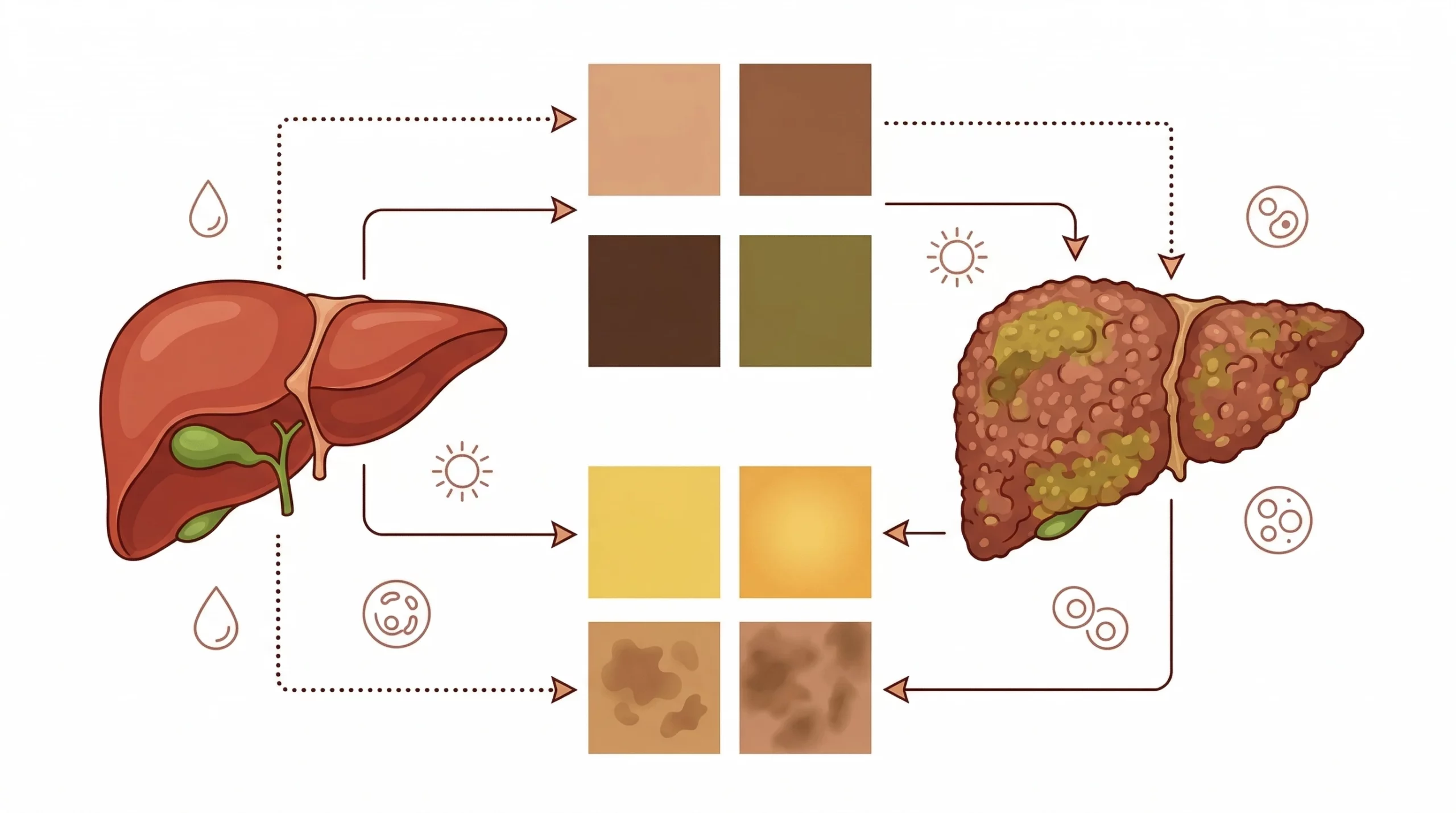
The way your skin looks often hints at what’s going on with your liver. Healthy livers help break down toxins and process what’s in your blood, so when things go wrong, there are some pretty visible clues. The two most common skin changes linked to liver issues are jaundice and hyperpigmentation.
Jaundice appears as a yellow tint that first shows up in your eyes and then in your skin. It’s the result of too much bilirubin, a yellow compound produced during the normal breakdown of red blood cells. When the liver isn’t doing its job, bilirubin builds up and leaks into the skin and sclera (the whites of your eyes), giving them that yellowish cast.
Hyperpigmentation is a bit different. It’s when parts of your skin get darker than usual. Think patches of brown, gray, or bronze coloring. Liver problems can sometimes mess with your hormones, and extra melanin (the pigment that gives skin its color) gets deposited unevenly.
Why the Liver Affects Skin Color
The liver acts like your body’s main filter. It sifts through everything that enters your bloodstream, breaks down toxins, and manages a bunch of metabolic processes. When it isn’t working well because of hepatitis, fatty liver disease, cirrhosis, or something else, byproducts like bilirubin and excess hormones start to circulate in the blood instead of being processed properly.
Bilirubin is usually handled efficiently by a healthy liver. But if it’s not, you start to see that yellowing mentioned earlier. Other times, hormone imbalances caused by liver problems can tell skin cells to make more pigment, leading to a darker appearance.
A damaged liver also slows albumin production, a key blood protein, so fluid can leak into the tissues and cause swelling. This sometimes makes the skin look waxy or shiny. These are all subtle hints that something might be going wrong with liver function.
Common Types of Skin Changes Linked to Liver Damage
If you’re keeping an eye on your skin or someone else’s, there are a few patterns that can appear when the liver is unhappy. Here are the ones you should actually know about:
- Jaundice: A yellow tint first in the eyes, then spreading to the skin.
- Spider Angiomas: Tiny blood vessels just under the skin, often on the face, chest, or arms. They look like small red dots with spokes, kind of like a spider’s legs.
- Palmar Erythema: Reddening of the palms, sometimes with a blotchy look. This appears due to hormonal changes caused by liver damage.
- Hyperpigmentation/Melasma: Patches of darker skin on the face, neck, or arms. Think uneven coloration that seems to grow slowly.
- Itchy Skin (Pruritus): Not exactly a color change, but skin irritation and scratching can make skin look red, inflamed, or even slightly brown in chronic cases.
Other things can also pop up, such as rashes, small yellow bumps (xanthomas), or bruising more easily than usual. The color changes above are classic signs of liver trouble.
How Liver Diseases Cause Skin Changes
Different liver diseases show up in different ways. Some common conditions that are pretty well-known for causing skin changes:
- Hepatitis: Inflammation of the liver, often triggered by viruses. Jaundice is a really early clue, but itching and spider angiomas can happen, too.
- Alcoholic Liver Disease: Too much alcohol over time can leave the liver scarred, which we call cirrhosis. This can lead to all the classic signs: jaundice, hyperpigmentation, swelling, and even those red palms.
- Nonalcoholic Fatty Liver Disease (NAFLD): Fat builds up where it shouldn’t. Jaundice here is less common unless it progresses to cirrhosis, but dark patches and general dullness can show up.
- Cirrhosis: The liver builds up scar tissue and no longer functions properly. Jaundice, dark patches, visible blood vessels, and swelling are all possible.
Medical sources like the Cleveland Clinic and Mayo Clinic have good examples and pictures, if you want to spot-check.
Other Causes of Skin Color Changes
Not every change in skin color is because of the liver. It’s smart to know what else is out there for context. Conditions like anemia, which can make the skin look pale; Addison’s disease, which may cause dark patches; certain medications; and even diabetes can all cause changes in skin color.
Diet, sun exposure, and genetics also have a role here. So, just because you spot yellow or brown patches, it’s not a sure thing that your liver is in trouble. Checking in with a healthcare provider is a good move for anyone who notices any weird or new changes.
What to Do if You Notice Unusual Skin Color Changes
If you catch a yellow cast, dark patches, or those little spider veins, don’t freak out, but don’t ignore them either. If the change is sudden, keeps spreading, or is paired with other symptoms, like weird tiredness, swelling in your ankles or abdomen, or dark urine, it’s super important to talk to your doctor.
Doctors will usually ask for a medical history, may order blood work (liver function tests), and may also request an ultrasound or other scan to check your liver. Addressing something early can really make a difference, especially because some causes of liver damage can be stopped or reversed.
Extra Tips for Keeping Your Liver (and Skin) Healthy
Looking after your liver helps keep your skin looking its best. Here are a few habits you should always consider, whether your liver is healthy or you’re just looking for maintenance tips:
- Eat a balanced diet: Include lots of leafy greens, fruits, and whole grains. These supply your liver with the antioxidants and nutrients it needs.
- Avoid heavy drinking: Alcohol is really tough on the liver, and drinking in moderation keeps your liver happy.
- Maintain a steady weight: Obesity is a leading cause of fatty liver, so being active and managing your weight can make a difference.
- Watch medications and supplements: Some over-the-counter pills and herbs can stress your liver. Always double-check before starting something new.
- Stay hydrated: Good hydration helps your liver process toxins and keeps your skin clear.
After putting these habits in place, you’ll be bolstering your liver’s defenses. Practicing self-care not only benefits your liver but also your overall wellbeing—including your skin’s appearance. Stay consistent and check in regularly with your healthcare provider if you have risk factors like a history of liver issues, chronic illness, or high alcohol usage.
Frequently Asked Questions
Here are answers to some common questions about liver-related skin color changes:
Question: Is jaundice in adults always a sign of liver trouble?
Answer: Not always. Sometimes it comes from gallbladder issues or even blood disorders, but liver problems are a really common cause.
Question: Can I reverse the skin changes if my liver improves?
Answer: Sometimes, yes. If the liver heals or the damage is managed, jaundice and pigmentation changes can fade, though this depends on how long the skin has been affected.
Question: How quickly do skin changes show up if the liver is having problems?
Answer: This can vary. With rapidly developing issues such as acute hepatitis, changes can show up in days. With chronic issues, they might develop slowly over months.
Key Takeaway on Liver Health and Skin Changes
Keeping an eye on your skin offers a surprisingly good window into your liver health. If you notice unusual changes, such as yellowing, dark patches, or red palms, it’s worth checking in with your doctor. Early action can make a big difference, and staying healthy overall helps your skin and liver work their best for you.
Video: Notice These Skin Changes Before Liver Damage Worsens #shorts #health