Alcohol is everywhere, from celebrations and social gatherings to that quick drink after work. For many people, it’s part of how we relax or connect. But drinking alcohol does a lot more to your body than just giving you a buzz or making you feel social. Some of these effects are pretty surprising and even a little scary. Here’s a super detailed look at how even modest drinking can affect your body, mind, and health.
Physical Effects of Alcohol on Your Body
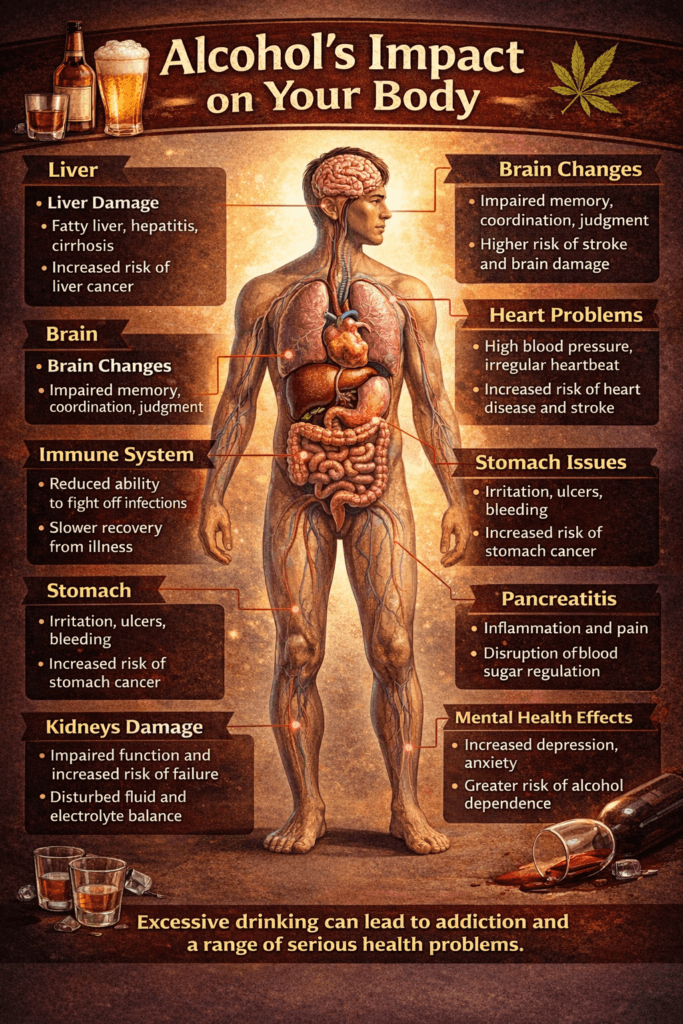
When you take a drink, alcohol moves fast. It travels from your stomach into your bloodstream, and within minutes, it’s circulating everywhere. The liver is the main organ in charge of breaking down alcohol, but the impact isn’t just in that one place.
The Centers for Disease Control and Prevention (CDC) points out that alcohol can have both short-term and long-term effects, even if you only drink occasionally. Here’s what’s happening behind the scenes every time you raise a glass.
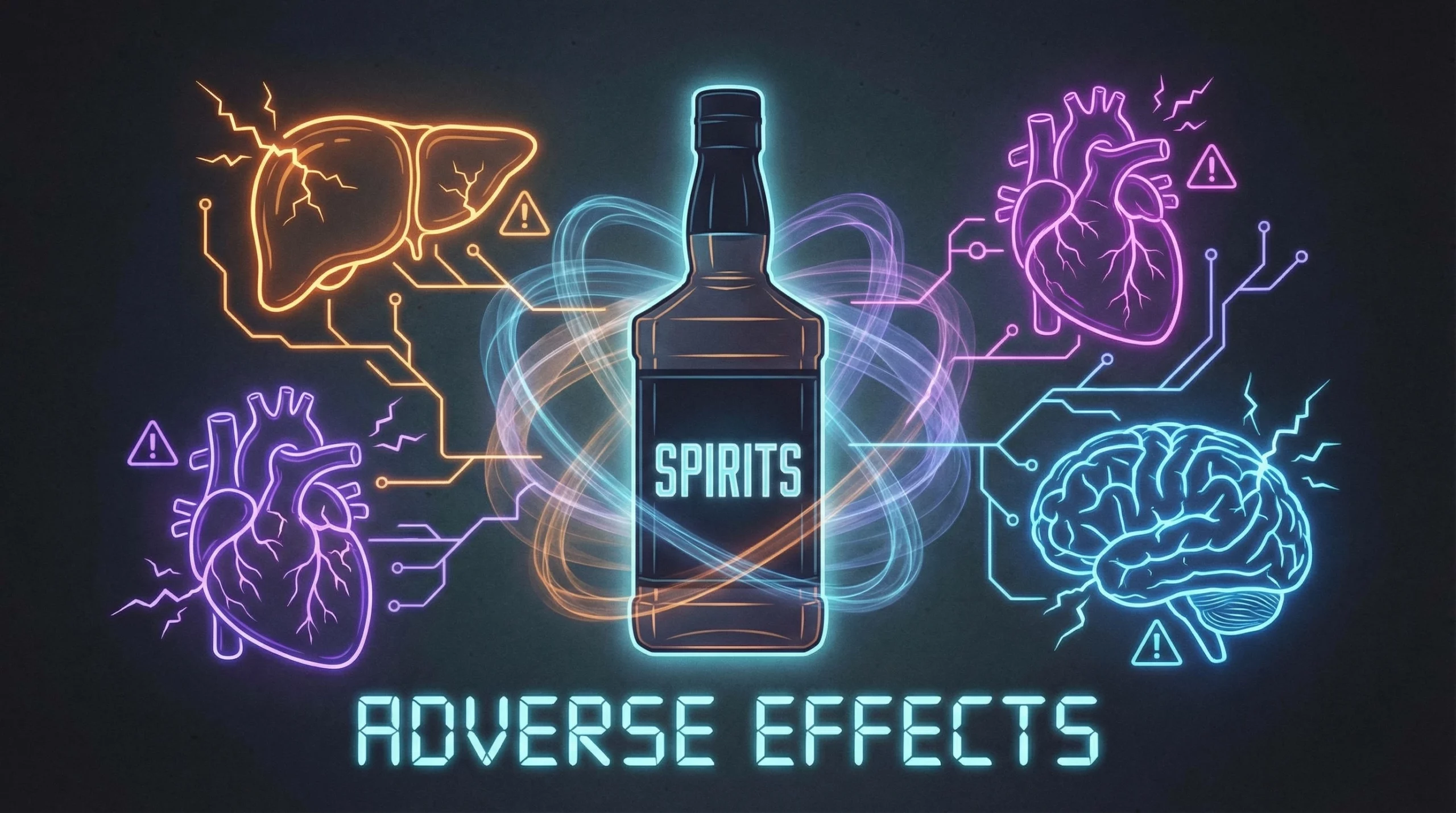
- Liver Strain and Damage: The liver is busy metabolizing alcohol. Over time, excessive drinking can cause fat to build up (fatty liver), then inflammation (alcoholic hepatitis), and eventually scarring (cirrhosis). Even binge drinking now and then makes your liver work overtime.
- Heart and Blood Pressure: Drinking increases your heart rate and can temporarily raise blood pressure. With regular use, your risk of high blood pressure, irregular heartbeat (arrhythmia), and heart muscle damage goes up. Heavy drinkers are also more at risk for stroke and heart disease.
- Digestive System: Alcohol irritates the stomach lining and increases acid production. This can lead to indigestion, ulcers, nausea, and in some cases even bleeding. The pancreas may also become inflamed, leading to pancreatitis and trouble digesting food properly.
- Immune System Suppression: Just one bout of heavy drinking can lower your immune response for up to 24 hours. Ongoing drinking makes you more likely to catch viruses or infections like pneumonia.
Mental and Emotional Impact
Alcohol can change your mood, your sleep, and even the way you think; sometimes for a long time after the buzz is gone. The brain is particularly sensitive to alcohol, and these effects shouldn’t be ignored.
- Impaired Judgment and Reaction Time: Alcohol slows down your brain, making it harder to concentrate and react quickly. This is why driving is so risky if you’ve been drinking, even if you “feel fine.”
- Sleep Disruption: Many people think alcohol helps them fall asleep, but it actually reduces sleep quality. Relying on alcohol for rest can lead to daytime tiredness and mood swings. Over time, this can turn into a cycle of poor sleep and low energy.
- Anxiety and Depression: People often drink to feel better, but alcohol messes with neurotransmitters in the brain, including serotonin and dopamine. Over time, alcohol can lead to increased anxiety, irritability, or feelings of hopelessness. For some, this means a heavier reliance on alcohol to cope, reinforcing a negative cycle.
- Memory and Cognitive Decline: Heavy drinking, especially over long periods, increases the risk of memory loss and difficulty focusing. In older adults, regular drinking can speed up age-related cognitive decline and even raise the risk for dementia over the years.
Alcohol’s Effect on Appearance and Weight
It’s not just what alcohol does on the inside. Even your outward appearance and weight can take a hit after repeated drinking. Some changes are pretty sneaky, showing up slowly over months and years.
- Dehydration and Skin Changes: Alcohol draws water out of your body, leading to dry, dull skin. Over time, redness, puffiness, and more pronounced wrinkles may appear. Some people even notice skin conditions like psoriasis get worse after drinking.
- Weight Gain: Alcohol itself packs a punch in calories (about 7 calories per gram), and mixers often add extra sugar. Drinking also lowers your self-control around snacks, sometimes leading to eating more than you planned. Over the long term, those extra calories can really add up on the scale.
- Bloating: Alcohol can prompt the body to hold onto water. Combined with salty bar snacks, this adds up to noticeable puffiness. People who drink regularly may notice their face and hands look swollen more often as a result.
Long-Term Health Risks
Most people are aware of cirrhosis and maybe alcohol-related cancers, but many long-term risks aren’t common knowledge. These aren’t just concerns for heavy or daily drinkers. Even steady moderate drinking can add up over the years.
- Cancer Risk: According to the American Cancer Society, alcohol is linked to higher risks for cancers of the mouth, throat, breast, colon, liver, and esophagus. There isn’t a “safe” dose, and any amount can raise risk. This risk increases with the quantity and duration of drinking.
- Reproductive Health: Alcohol can cause irregular periods in women and lower testosterone and sperm count in men. For pregnant women, alcohol increases the risk of fetal alcohol spectrum disorders, putting the developing baby at serious risk for lifelong challenges.
- Chronic Diseases: Regular drinking increases the odds of Type 2 diabetes, certain digestive disorders, and ongoing immune system problems. Some studies also note links between alcohol use and a higher risk for high blood pressure and cholesterol, compounding other health concerns.
Alcohol and Mental Health Conditions
Drinking and mental health are closely tied. It’s common for people to use alcohol to “self-medicate” feelings of stress, anxiety, or trauma. However, the short-term help is quickly outweighed by long-term negatives, and for many, alcohol can make these feelings stronger or harder to handle.
Regular alcohol use can make symptoms of depression and anxiety worse, especially in those already prone to mental health challenges. People with a history of trauma, PTSD, or eating disorders are especially vulnerable to spiraling effects, so it’s important to keep an eye on how alcohol fits into their coping routines.
Common Myths About Alcohol’s Effects
Many people believe that only “problem drinkers” or people with visible addictions need to worry about alcohol’s downsides. The research tells a different story. Here are some things worth knowing:
- “It’s just empty calories.” Alcohol isn’t just a source of empty calories; it also triggers chemical changes in the brain and body that can lead to real health problems.
- “I can sober up with coffee or a cold shower.” Only time helps your body process alcohol. Tricks like cold showers or caffeine don’t speed it up, but they might make you feel a bit more awake.
- “Moderate drinking is heart-healthy.” Some studies suggested that small amounts of alcohol could help the heart, but new research shows this benefit is smaller than once thought. Even modest drinking increases certain risks, and the overall health benefit is lower than many people think.
Tips for Safer Drinking and Harm Reduction
If you choose to drink, a few habits can help lower the negative effects on your mind and body. Here’s what I recommend to friends and readers who want to be smart about drinking:
- Keep Track of What You Drink: Jotting down drinks in a notes app or journal helps you accurately gauge your use over time. Considering counting up your standard drinks can be eye-opening.
- Drink Water Alongside Alcohol: Sipping water between drinks can slow you down and ease dehydration. This simple step can help you hangover the next morning, too.
- Eat Before and During: Having food in your stomach helps your body process alcohol more slowly, which is easier on your liver and stomach lining. Foods high in healthy fats or protein are especially effective.
- Choose Lower Alcohol Options: Beer, spritzers, or drinks with less alcohol can be easier on your system than cocktails or straight shots. You can still enjoy the social aspect of drinking while easing the load on your body.
- Take Regular Breaks: Plan for alcoholfree days each week. Giving your body a regular break from alcohol goes a long way toward better health.
Alcohol’s Surprising Impact on Everyday Life
Even small drinking habits can add up and start affecting daily life in ways you might not notice at first. Whether it’s increased anxiety, trouble sleeping, or small changes in mood, these mixups can impact relationships, work, and overall happiness.
- Reduced Productivity: Even mild hangovers can sap your energy and focus at work the next day, making it harder to complete tasks.
- Relationship Tensions: Changes in mood, irritability, or shifting priorities can strain friendships and family relationships, possibly leading to misunderstandings or conflict over time.
- Accident Prone: Alcohol slows your reflexes, and this isn’t just about driving. Slips, falls, and other accidents become more likely when your balance and coordination are off.
Frequently Asked Questions
There’s a lot of confusion about alcohol and its impact, so I get a lot of the same questions from friends and readers. Here are a few of the most common ones:
Question: Can alcohol actually be good for you in any way?
Answer: Some reports mention small heart benefits with red wine, but newer research is calling those claims into question. There’s no safe level of consumption, and often the risks outweigh the mild potential benefits.
Question: How does alcohol cause cancer?
Answer: Alcohol breaks down into acetaldehyde, a toxic chemical that can damage DNA and prevent cells from repairing damage. Over time, this can lead to cancerous changes, especially in tissues that come in contact with alcohol first, like the mouth and throat.
Question: Is binge drinking worse than daily moderate drinking?
Answer: Both types have risks. Binge drinking heavily stresses your organs in a short time and increases accident risk; daily moderate drinking slowly adds up to long-term health harms.
Final Thoughts
Alcohol is part of a lot of social lives, but the effects on your health are real and far-reaching. Knowing what’s happening inside your body with every drink makes it easier to make choices that fit your own health goals, whether that’s slowing down, quitting, or just being more aware. Staying mindful about drinking can make a big difference to your physical health, appearance, and day-to-day wellbeing.
If you’re concerned about your drinking or just want to learn more, checking out resources from trusted places like the CDC or National Institute on Alcohol Abuse and Alcoholism (NIAAA) is a smart move. For most people, swapping out even a few drinks every week leads to better sleep, more energy, and a clearer mind. Remember, even small changes can set you on the road to better health and overall happiness. Anyone can make a difference in their wellness by making thoughtful choices about alcohol.
Video: This Happens Every Time You Drink #bodyfacts #warning