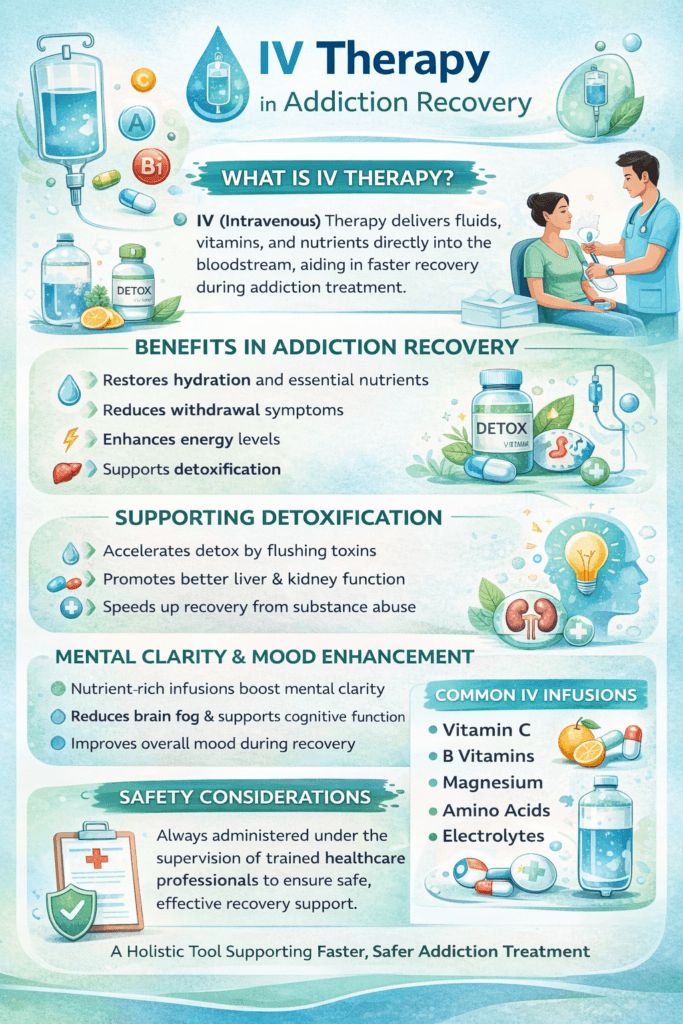
If you’ve heard mixed things about IV therapy in addiction recovery, you’re definitely not alone. It’s a topic that sparks a lot of discussion and sometimes confusion, especially with all the buzz surrounding IV therapy in wellness circles. More recently, IV therapy has made its way into the conversation about addiction treatment, where its potential benefits and effectiveness have been both praised and criticized. Many people have heard claims about how IV therapy can accelerate recovery, relieve withdrawal symptoms, or even help with detox. However, not all of these claims hold up under scrutiny. There are many misconceptions out there, some exaggerated, while others miss the full picture of what IV therapy can realistically offer. So, in this article, I’ll break down the most common myths and misconceptions about IV therapy in addiction recovery. I’ll discuss what it really does, how it fits into the treatment process, and its limitations in the context of recovery. It’s important to approach this topic with clear eyes and realistic expectations, as we dive into what IV therapy can and can’t achieve in the real world of addiction recovery.
Misconceptions About IV Therapy in Addiction Recovery
IV therapy has become a go-to option for all sorts of health issues in recent years, including hangovers, vitamin boosts, and even athletic recovery. When it comes to addiction treatment, it’s sometimes presented as a sort of quick solution for withdrawal symptoms and faster healing. The truth is, not every claim stands up to a close look. Clearing up these misunderstandings is very important so people can make informed decisions about their recovery options.
IV therapy plays a supportive role, but it’s only one piece of the larger treatment puzzle. Understanding IV therapy’s proper place in recovery can help people avoid disappointment or unnecessary risks and make smart, safe choices about care.
Understanding What IV Therapy Actually Is
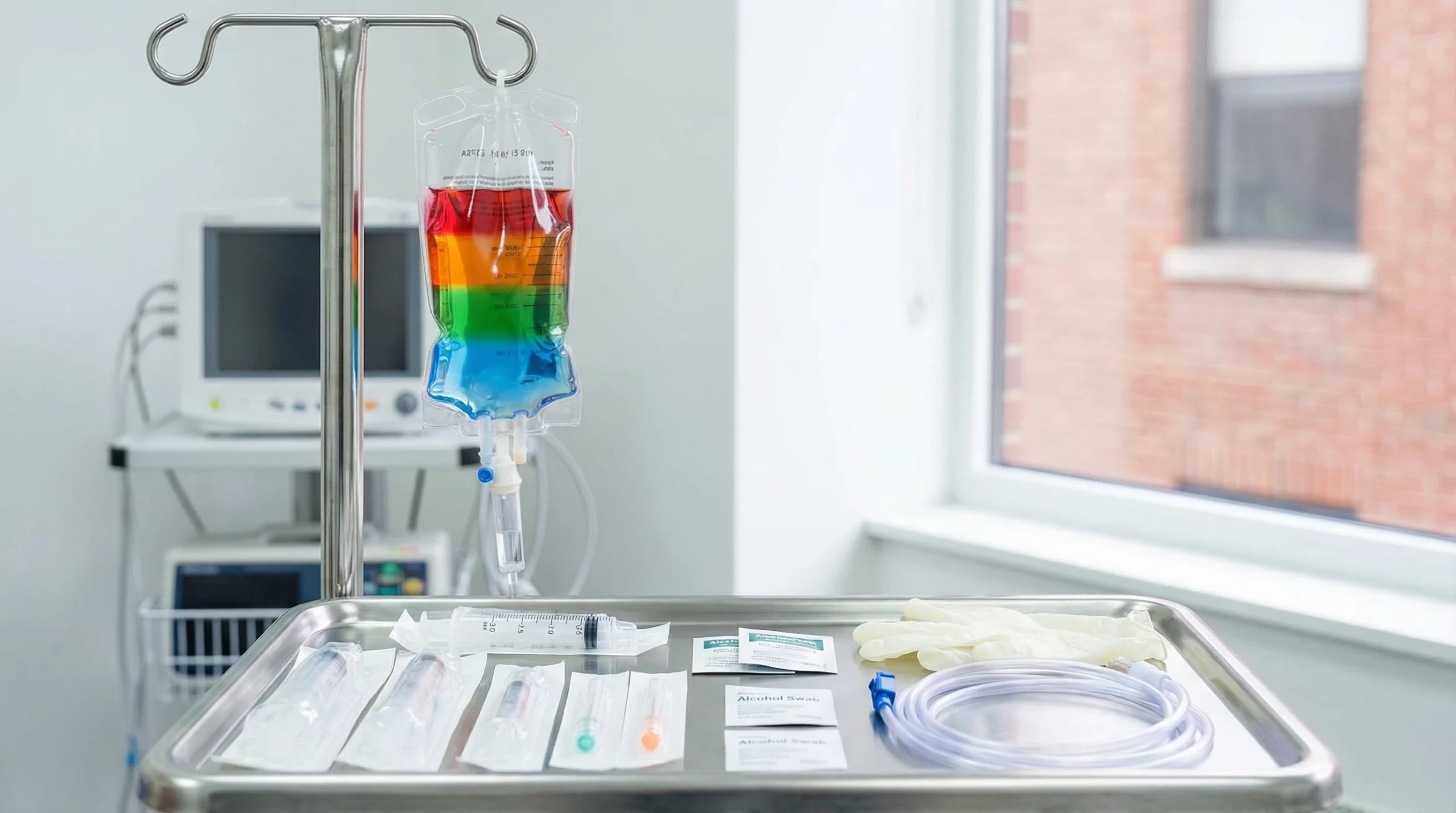
IV therapy means delivering fluids, nutrients, or medications directly into the bloodstream through a needle or catheter. In medical settings, it’s pretty common. Hospitals use it to rehydrate patients, deliver antibiotics, or provide nutrition to people who can’t eat or drink for a while. In addiction recovery programs, IV therapy is sometimes used to help with vitamin or electrolyte imbalances that can happen during detox or heavy substance use. Those in the early stages of recovery might be dealing with poor nutrition or dehydration, and IV therapy can step in during extreme cases to give a boost.
While IV therapy can be helpful in these situations, it’s not a cure or a replacement for broader addiction treatment strategies. The idea is to support a patient’s physical stability during the tough stages of withdrawal, not to “fix” addiction itself or take the place of therapy and long-term support.
Common Misconceptions About IV Therapy in Recovery
- Misconception #1: IV therapy can cure addiction.
IV therapy can support physical health, but it can’t change the behavioral, psychological, and social aspects of addiction. Recovery usually takes therapy, peer support, and sometimes medication for things like craving management. IV infusions alone won’t address those deeper challenges or provide the emotional skills needed to stay sober. - Misconception #2: IV therapy eliminates withdrawal symptoms completely.
IV fluids and nutrients can make withdrawal more manageable for some people, for example, by preventing dehydration or helping with severe vitamin deficiencies. Still, withdrawal can involve a mix of physical and mental symptoms. Medical professionals use IV therapy to support those in detox, but it rarely erases all symptoms by itself. - Misconception #3: All treatment centers use the same IV therapies.
Treatment centers vary widely in their use of IV therapy. Some use only standard medical IVs for basic hydration, while others offer supplement blends containing vitamins and minerals. There aren’t universal protocols for every patient, and what’s offered may depend on local regulations, medical oversight, or individual needs, so it’s always wise to ask what a clinic really provides. - Misconception #4: IV therapy is risk-free.
Any procedure that breaks the skin, such as an IV, carries risks, including infection, irritation of the veins, and allergic reactions. That’s why it’s important for IV therapy to be provided by trained medical staff in safe environments. Not everyone is a good candidate for IV therapy, especially those with certain medical conditions such as clotting disorders or kidney issues. - Misconception #5: IV vitamin drips are always more effective than oral vitamins.
IV therapy does deliver nutrients faster, but that doesn’t mean it always provides better results for everyone. For general recovery, research doesn’t always show a clear advantage over oral options unless someone can’t absorb nutrients through the gut. In most cases, a healthy diet, when possible, covers nutritional needs just as well for long-term health.
How IV Therapy is Actually Used in Addiction Recovery Programs
When IV therapy is used responsibly in recovery settings, it’s usually for short-term stabilization. For example, it can play a role in certain medical emergencies or when fast-acting rehydration is essential:
- Replacing fluids during severe dehydration, which is common in alcohol or stimulant withdrawal
- Replenishing electrolytes or vitamins, especially if someone has been malnourished or unable to keep food down
- Supporting medication delivery in certain medical detox situations, such as those that require anti-seizure medication
It’s pretty rare for IV therapy to act as the main treatment. Instead, it’s paired with things like individual or group therapy, counseling, medications to reduce cravings or withdrawal symptoms, and ongoing wellness plans after discharge. Reliable programs focus on all-in-one care, not only physical needs. Adding IV support to a well-rounded plan makes sense; relying on just the IV misses the bigger picture.
Limitations of IV Therapy in Recovery
IV therapy has some real benefits for managing acute illness or correcting deficiencies, but there are limitations:
- It doesn’t address psychological aspects of addiction, such as triggers, coping skills, or underlying trauma.
- It’s not a long-term or stand-alone solution. Ongoing therapy, support groups, and lifestyle changes remain super important for lasting recovery.
- It can’t erase years of substance abuse damage overnight. Nutrition and wellness take time to rebuild, even with IV support. Patience is key.
- Accessibility and cost may be barriers, especially outside standard medical detox settings. Many insurance plans only cover it when it’s medically needed.
Believing IV therapy is a silver bullet can keep people from getting the full range of help they really need or waste resources chasing quick fixes instead of proven paths to recovery.
What to Look for if Considering IV Therapy in Recovery
- Medical Oversight: IV administration should always be supervised by qualified healthcare professionals who are knowledgeable in addiction medicine. Don’t be shy to ask about credentials and emergency procedures.
- Individual Assessment: Each person’s needs are different. IV therapy should be tailored to medical history, substance use patterns, and lab results where available, ensuring patient safety.
- Clean Procedures: Sterility is essential to prevent infections and other complications, so clinics should always use fresh, sealed equipment and proper techniques.
- Integration with Long-Term Supports: Reliable programs offer IV support as part of a bigger, ongoing treatment strategy, never as a one-and-done solution or a replacement for therapy.
Questions Worth Asking Clinics and Providers
- Is your IV therapy overseen by medical doctors or addiction specialists?
- How do you decide if a patient needs IV support? Are decisions based on lab results, symptoms, or history?
- What side effects should I expect or watch out for during and after IV therapy?
- What else do you offer for long-term recovery support beyond IVs, such as counseling or medication-assisted therapies?
Careful research helps patients and families avoid low-quality providers or false advertising. If you’re ever unsure about a clinic, checking with a licensed addiction professional or your primary care doctor before starting any IV treatment is a smart move. Don’t rush—take the time to gather as much info as possible.
Treatments That Should Go Hand-in-Hand with IV Therapy
IV therapy works best as one tool in a full recovery toolbox. Other evidence-based treatments might include:
- Behavioral therapies (like cognitive behavioral therapy) that target the root causes of addiction
- Medication-assisted treatment for opioid or alcohol addiction, which can help manage cravings and withdrawal
- Peer support groups such as AA, NA, or other recovery communities that offer connection and accountability
- Outpatient or inpatient rehab programs for structured and intensive care
- Ongoing physical and mental health care to address underlying issues and prevent relapse
Staying connected to a mix of supports can help maintain progress and build a healthier routine, which most people find really important for sustained recovery. No single solution works for everyone; finding the right blend of supports leads to better results.
Realistic Expectations for IV Therapy in Recovery
IV therapy isn’t magic, but it can help you feel a bit better physically during the toughest days of detox or early withdrawal. Setting reasonable expectations makes it easier to avoid disappointment or frustration. Here’s what I’ve found in practice:
- People who benefit most from IV therapy typically have clearly diagnosed dehydration or nutritional issues. Targeted IV support can really help reboot energy during the initial phases.
- Many notice improvements in energy or comfort, but rarely do all symptoms disappear just from the IV drip. It’s a helpful extra, not a miracle fix.
- Physical recovery is only part of the big picture. The emotional and mental side of addiction takes more time and different approaches to really heal, including therapy, lifestyle changes, and support networks.
Understanding what IV therapy can offer, and what it can’t, helps people keep their expectations balanced and avoid costly disappointments.
Frequently Asked Questions About IV Therapy in Addiction Recovery
Question: Can IV therapy stop cravings or prevent relapse?
Answer: IV therapy isn’t a treatment for craving control or relapse prevention. Those areas are usually addressed with therapy, medications, and support systems. Looking at IV therapy as a physical support is realistic for cravings, counseling, and structured plans work best.
Question: Is IV therapy required for detox from all substances?
Answer: Most people in withdrawal won’t need specialized IV therapy unless there’s a medical complication like dehydration or a severe nutritional deficiency. For many, oral hydration and nutrition will do the trick, while others need medical support for serious cases.
Question: Will insurance pay for IV therapy during addiction treatment?
Answer: Coverage for IV therapy depends on your insurance plan, the treatment center, and your medical situation. It’s usually covered if medically necessary, but not for luxury or “wellness” IV services in a nonmedical setting. Always call your insurance company in advance to double-check what’s covered.
Final Thoughts on IV Therapy and Recovery
Sorting out the facts about IV therapy can help set up a smoother, more successful addiction recovery adventure. While IV support can be a real help for physical stabilization or severe deficiencies, it won’t replace everything else that goes into recovery. Getting quality, whole-person care—physical, mental, and social—matters way more than any single treatment method.
Anyone thinking about adding IV therapy to their recovery plan should talk to experienced professionals and treat it like one option among many. Recovery is a process, and clear expectations and a strong support system make all the difference.
Video: This Happens Inside Your Body During Addiction #IVTherapy #Recovery #Facts