If you’ve ever read that a daily glass of wine is good for your heart, you’re definitely not alone. There’s a lot of buzz and even some old family traditions that paint light or moderate drinking as harmless, sometimes even healthy! But after checking out the latest research, the story turns out to be more complicated. Even small amounts of alcohol come with some health risks, and those are worth understanding if you want to make smart choices about drinking.
What Does “Light to Moderate Drinking” Actually Mean?
Before getting really deep into the health side of things, it helps to know what researchers mean by “light” or “moderate” drinking. You’ll see these terms tossed around a lot, but there’s actually a set definition used by health agencies.
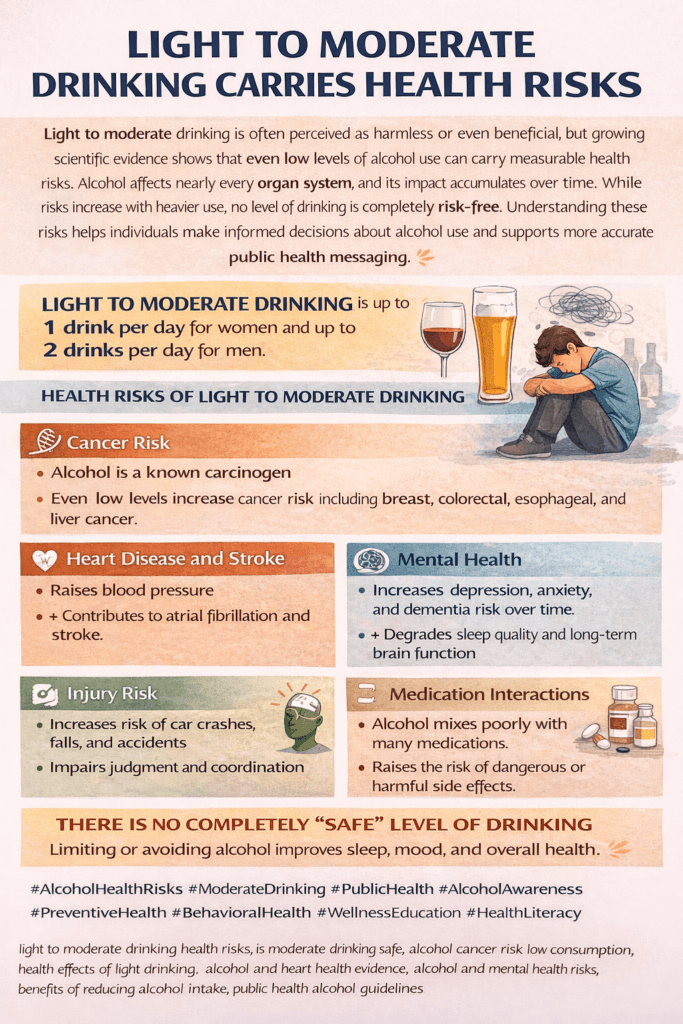
Most guidelines define “moderate drinking” as up to one drink per day for women and up to two for men. That doesn’t mean you should save up all your drinks for one night; spreading them out is what’s meant here. A “standard drink” usually means:
- 12 ounces of beer (about 5% alcohol)
- 5 ounces of wine (around 12% alcohol)
- 1.5 ounces of distilled spirits (like vodka, gin, etc.)
Even if you’re sipping well under those numbers, current research shows that no amount of alcohol is completely free from risk. So, if you’re thinking that “just one” is always harmless, it’s worth checking out the details.
Updated Science: Rethinking the Benefits and Harms
For years, a glass of red wine a day was said to be good for your heart. This idea sprang from early studies, but newer research tells a different story. Today, large studies and organizations like the World Health Organization and CDC have said there isn’t really a “safe” level of alcohol when it comes to cancer, heart disease, or early death. In fact, in 2023, Canada revised its alcohol guidelines to say that even light drinking is linked with health risks.
Alcohol can have some positive effects for certain people, like making socializing easier or bringing momentary relaxation, but those perks are usually temporary. When you add up the ways even light or moderate drinking can affect health, the drawbacks often outweigh any possible upsides.
Understanding the Health Risks of Light and Moderate Drinking
Many people expect to hear about the dangers of heavy drinking, but the day-to-day glass of wine or beer seems much lower on the radar. Current science makes it clear that logic might be outdated. Here are some ways lighter drinking can impact your health:
- Cancer Risk: Even one drink a day is linked with a higher risk of several cancers, including breast, mouth, and throat cancer (National Cancer Institute).
- Heart Health: Light drinking might not protect the heart as much as people thought before. For some people, any alcohol can raise their risk of heart rhythm problems (like atrial fibrillation) and high blood pressure.
- Brain Health & Mental Health: Even low levels of alcohol can impact sleep quality, mood, and how well you think. Regular drinking, even in small amounts, may slightly raise your risk of depression and memory problems over time.
- Other Risks: Alcohol can make some common health issues worse, including digestive troubles and diabetes. There’s also a higher risk of accidents, even after a small amount.
It usually surprises people that a drink here or there comes with any risk at all. But studies tracking hundreds of thousands of people make it clear that “low risk” is not the same as “no risk.” These findings are prompting many experts to encourage people to rethink their relationship with alcohol at every level of use.
Breaking Down Common Myths About Light Drinking
It’s pretty easy to find articles and social posts talking up the perks of a drink or two, and a lot of these are based on older studies or cultural habits. Some ideas sound super convincing, so it helps to break them down:
- “Alcohol is good for your heart.” This was based on “the French Paradox,” but scientists now know that the heart benefits of alcohol are very small and come with other risks. Most doctors don’t recommend starting to drink just for your heart.
- “A little alcohol reduces stress or anxiety.” You might feel relaxed in the short term, but regular drinking (even light) can lead to more anxiety or sleep stress later, not less.
- “Light drinking helps you live longer.” Studies that seemed to prove this often didn’t fully separate out other healthy habits that non-drinkers have. Newer research shows that teetotalers aren’t at a health disadvantage compared to people who drink lightly.
Sorting fact from fiction isn’t always easy, especially with the message about alcohol and health changing over time. The most recent large-scale reviews point to “less is better” as the safest bet for most people, nudging more folks to rethink their habits.
Tips for Making Informed Choices Around Drinking
If you like a glass now and then, the goal isn’t to panic or feel guilty, but knowing the facts helps you decide what’s right for you. Here are some ways to keep things in perspective and lower the risks:
- Track Your Drinks: Keep an honest count of how much you drink each week. Small pours can add up fast, making it easy to drink more than you think.
- Set Clear Limits: Decide ahead of time how much you’re comfortable drinking in a social setting or week. Sticking to your boundaries takes practice, but it really pays off for your health.
- Try Drinkfree Days: Pick certain days to go without alcohol entirely. This can give your body a break and help reset habits, even if it’s just once or twice a week.
- Watch for Subtle Signs: Notice if you rely on alcohol to relax, sleep, or feel better. These signs don’t mean you have a problem, but they might be worth talking over with a healthcare provider.
Discussing drinking habits with your doctor, especially if you have a family history of cancer or heart trouble, can help you see your personal risk level more clearly. You don’t have to face these choices alone, and a quick check-in might give you some new options.
Who Faces Extra Risks from Even Small Amounts of Alcohol?
Everyone’s body and background are different, so the risks of alcohol can hit some people harder than others. Here’s who may need to be extra cautious:
- Pregnant Individuals: Even the smallest amount of alcohol during pregnancy has been linked with risks like fetal alcohol spectrum disorders. The best advice is to avoid alcohol completely when pregnant or trying to conceive.
- People Managing Certain Medical Conditions: For those with liver problems, heart issues, or at risk for specific cancers, even light drinking might be too much.
- Medication Interactions: Some medicines, from everyday painkillers to antidepressants and sleeping pills, aren’t safe to mix with alcohol. Double-checking with your pharmacist or doctor about your specific meds can make a big difference.
- Those With a Personal or Family History of Addiction: A person with a history of alcohol misuse in their family may want to avoid drinking even in small amounts.
Checking with your care team to see if you fall into any of these groups can help prevent unwanted health surprises later on. Sometimes, talking it over with someone you trust can help you make a game plan that puts your health first.
Everyday Alternatives for Social and Personal Rituals
For some, alcohol is part of socializing or downtime, so changing habits can feel weird or awkward. If you’re looking to cut down or skip alcohol entirely, here are a few ideas to try:
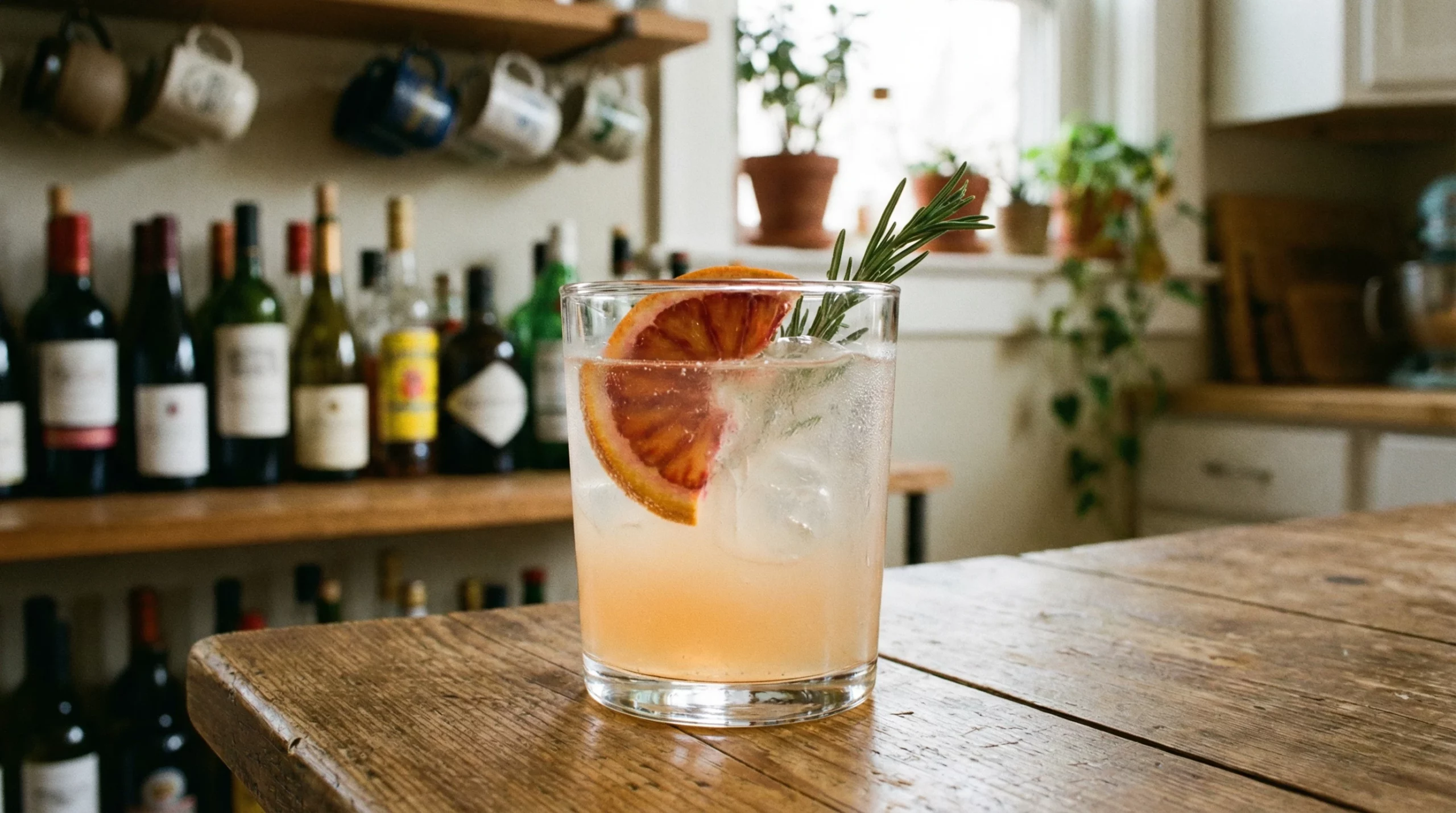
- Mocktails: Drinks made with juices, sparkling water, or iced teas can taste just as festive as the real thing, without any health risks.
- Low or Non-alcoholic Beers/Wines: The market has exploded with options for people who want to join the “cheers” without the hangover. Many brands now offer refreshing choices with lots of flavor.
- Setting Up Activities Not Focused on Drinking: Meeting friends for walks, coffees, or DIY projects offers a nice break from happy hours or dinners built around alcohol.
I’ve personally tried switching some Friday wine nights for sparkling water with a bit of lime. Not only did I feel better in the mornings, but I noticed I slept way more deeply without that nightcap. Small tweaks like this can add up to better energy and improved mood over time.
Frequently Asked Questions
Here are a few common questions about light to moderate drinking and its health impact:
Question: Is a little bit of alcohol safe for everyone?
Answer: There’s really no amount of alcohol that’s 100% risk-free, but some people (like those who are pregnant or on certain meds) need to be much more careful. For most adults, keeping it minimal helps lower the odds of harm.
Question: Does drinking alcohol help with stress?
Answer: Alcohol can feel calming right away, but using it as a stress fix can end up making anxiety, poor sleep, or sadness worse over time. Finding healthier ways to cope with stress pays off a lot more.
Question: Should I stop drinking entirely to be healthier?
Answer: The less you drink, the safer you’ll generally be, but it doesn’t have to be all or nothing. Even cutting down by a couple of drinks per week can help. If you need support, talking with a doctor, mental health professional, or a support group can offer some personalized ideas.
Final Thoughts
Lighter drinking often gets a pass in our culture, but it’s important to realize that “not heavy” isn’t the same as “no risk.” Evidence keeps growing that even small, regular amounts of alcohol can impact cancer risk, heart health, and mental wellness. Deciding what’s right for your health and lifestyle is a personal choice, but knowing the science makes it much easier to put your wellbeing first.
Trying out lower-risk social routines, experimenting with tasty alcohol-free drinks, and checking in with your body and mind can all help you find a good balance. Listening to your own experiences, reaching out to healthcare professionals when questions come up, and staying open to small changes can have a big impact over time. Remember, every step you take to look after yourself counts, and making informed choices leads to better overall health and happiness.
Video: LIGHT TO MODERATE DRINKING CARRIES HEALTH RISKS