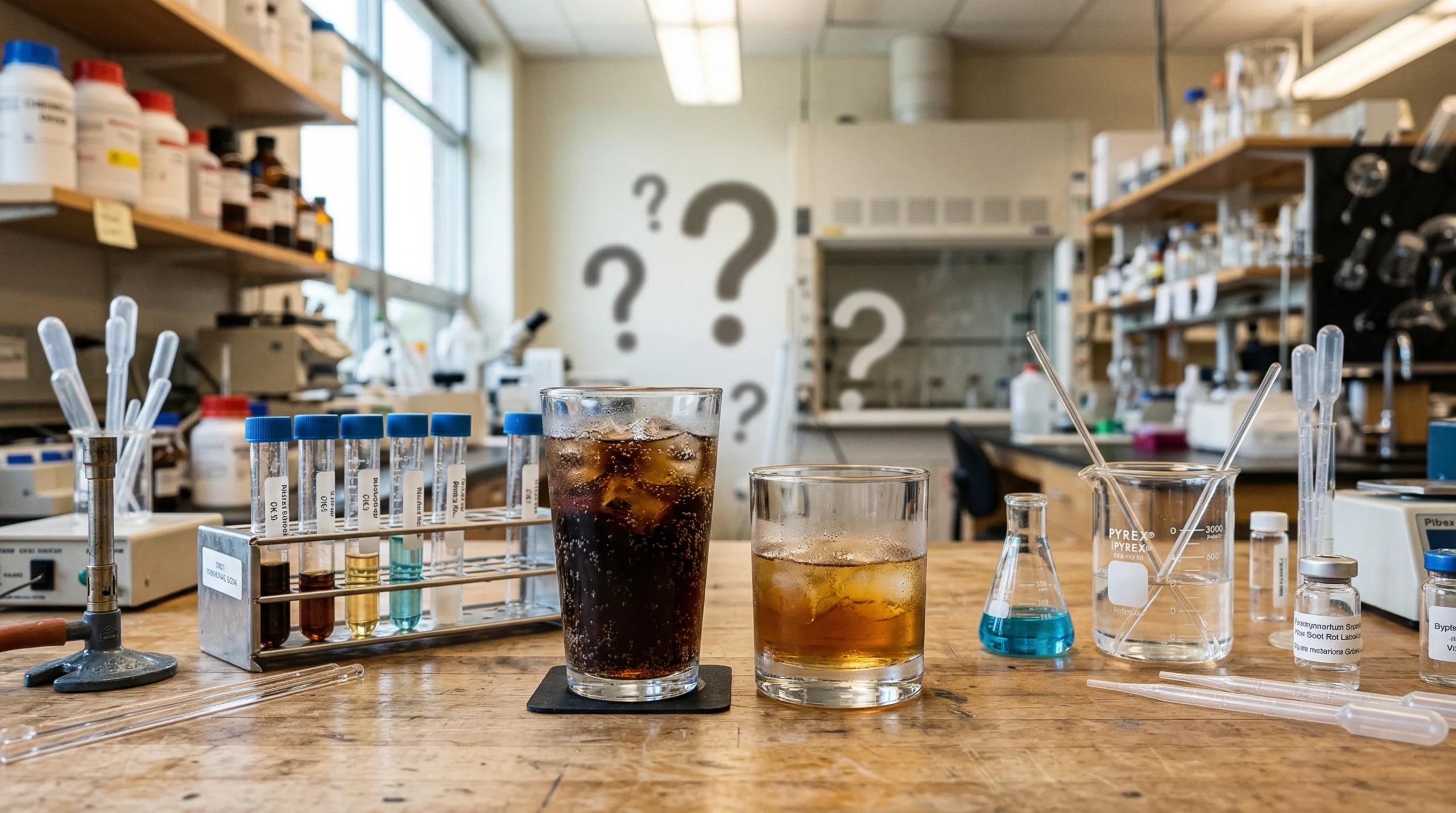
People love to debate which is really worse for your health: diet soda or alcohol. It pops up at every family gathering, gym chat, and even in online threads. Both drinks get a lot of attention for different reasons. One promises zero calories, the other’s a social staple. Figuring out which one comes with more hidden risks isn’t just about picking your favorite drink at dinner. There’s a lot to untangle, and some surprising details might change the way you look at your glass.
Understanding Diet Soda and Alcohol: What’s in Each Glass?
Diet soda and alcohol might look pretty similar on the outside. They’re both common drinks at parties and restaurants, but what goes into each is a different story. Diet soda’s claim to fame is how it swaps out regular sugar for artificial sweeteners like aspartame, sucralose, or saccharin. You won’t find booze in these bubbly cans, but you will see chemicals added to flavor and color, and to create bubbles. While many prefer diet soda for its lack of sugar, that doesn’t necessarily mean it’s risk-free or an all-in-one healthy alternative. The artificial sweeteners and additives can interact with your body in more ways than most people realize.
Alcohol, on the other hand, is made by fermenting grains, fruit, or sugar. The alcohol content brings calories and the signature kick. Unlike diet soda, there’s no artificial sweetener (unless you’re talking about those boozy seltzers), but there’s sugar in a lot of mixed drinks and liqueurs. Alcohol is a popular part of social events and celebrations. However, the calories in alcohol are empty ones; they don’t add any nutrients, and just a few drinks can add up to a significant chunk of your daily caloric intake. That factor alone makes it worth giving both what you drink and how it affects your overall health a once-over.
There’s a reason so many people feel strongly about each drink. One is marketed as the “healthier choice,” the other as an indulgence. And yet, both are popular in their own ways, appealing to different groups and occasions.
What Diet Soda Actually Does to Your Body
On the surface, diet soda sounds pretty harmless. No sugar, hardly any calories—it feels like a win, especially when you’re trying to keep things light. But drinking a lot of diet soda isn’t totally risk-free. Here’s a quick look at how it can affect your body:
- Artificial Sweeteners: The most common ones can mess with your gut bacteria. Some research suggests these sweeteners may play a role in things like cravings, headaches, and even a higher risk for metabolic issues.
- Possible Links to Chronic Conditions: Studies have tied heavy diet soda use to higher risks of type 2 diabetes, stroke, and heart problems. Even though these drinks contain zero sugar and zero calories, the science isn’t settled, but it’s something doctors are watching closely.
- Bone Health: Some diet sodas, especially colas, contain phosphoric acid. Too much of it may lower bone density over time, weakening bones.
- Dental Impact: Carbonation, acids, and even the coloring can wear away tooth enamel if you drink large amounts regularly.
It’s worth noting, though, that having a diet soda every so often isn’t the same as drinking six a day. The risks seem to increase the more you drink, and they depend on individual factors such as your overall diet, genetics, and health habits. If you’re someone who consumes large amounts daily, it’s a good idea to look closely at what that might mean in the long run.
How Alcohol Impacts Your Health
Alcohol’s effects are pretty well-known, but there’s still some confusion about how much is really “safe.” Alcohol affects almost every part of your body, from your brain and liver to your heart and digestive system. Here are a few key points you might want to know:
- The Immediate Impact: Drinking too much in one sitting, even just once, can hurt your memory, slow your reflexes, and leave you feeling pretty awful the next day. It can also reduce your ability to make safe decisions about driving or risky behavior.
- Long-Term Effects: High alcohol use over months or years raises your risk for liver disease, some cancers (such as liver, mouth, and breast), high blood pressure, and memory problems. Even moderate drinking has been linked to higher cancer risk, according to the CDC.
- Addictive Nature: Alcohol can be addictive, and dependence sneaks up on many people. This isn’t something diet soda is known for (though some folks say artificial sweeteners make them crave sweeter foods).
- Empty Calories: Alcohol adds calories that don’t fill you up. Cocktails can pack more than 200 calories a glass, while diet soda has basically none.
Casual, social drinking is a part of life for many, but experts recommend limits; typically one drink per day for women and two for men. Even then, it pays to ask how it fits into your lifestyle and health goals. People who are especially mindful of weight control or family history of addiction might have extra reasons to watch their alcohol intake closely.
Comparing the Health Risks: Is Diet Soda Really Worse?
Stacking diet soda and alcohol side by side, it’s pretty clear they come with different risks. Here’s a quick rundown on what stands out:
- Liver Damage: Alcohol is way more likely to harm your liver than diet soda. If protecting your liver is a top priority, limiting alcohol wins hands down.
- Addiction and Dependence: Alcohol can cause physical and psychological dependence. Diet soda can be habit-forming for some, but it’s not addictive in the same medical sense as alcohol.
- Calorie Count: Diet soda is calorie-free, while alcohol is energy-dense.
- Chronic Conditions: Heavy diet soda usage has some links to type 2 diabetes and stroke, but heavy alcohol use is tied to a longer list of long-term health problems, including cancer and heart disease.
Some people feel fine after an occasional drink or can of soda, while others find that risk depends on triggers that cause headaches or other symptoms. Your risk depends on your personal health, family history, and how often you reach for these drinks. For some, even moderate amounts may not play nicely with certain medications or underlying health issues, adding another layer to the decision-making process. Many people like the rum-and-Diet Coke process.
Things to Think About Before Choosing Your Drink
If you find yourself picking between diet soda and alcohol, here are some factors worth considering:
- How Often and How Much: Having a diet soda or glass of wine now and then doesn’t usually cause trouble. Risks go up with heavy or frequent use, so moderation really matters.
- Your Medical History: If you have diabetes, high blood pressure, liver problems, or a history of addiction, one or both drinks might not be a great fit for you. Be sure to ask your doctor if you’re unsure.
- Lifestyle Choices: Are you pairing alcohol with other risky habits, like smoking or staying up all night? Mixing things up this way can increase risks from both drinks.
- Mixing Both: Many people like rum and diet cola, mixing both drinks into one glass, and some experts recommend mixing vodka with diet tonic. Mixed drinks pack the downsides of both drinks into one glass, and some experts think the sweetness may make people drink faster or underestimate how much alcohol they’re actually having.
Taking time to spot your personal patterns and reflect on how either beverage fits into your daily and weekly routines is a smart move. The choice isn’t always black-and-white—it really comes down to context.
Gut Health
Emerging studies suggest that artificial sweeteners may disrupt the balance of beneficial gut bacteria, affecting health in ways researchers are still figuring out. Alcohol, especially in large amounts, is also hard on your digestive system and gut health, contributing to inflammation and other issues. Both drinks can upset your digestive balance if consumed in excess, and you may want to pay attention to any changes in how you feel after drinking them.
Heart Health
Heavy alcohol use is definitely tough on your heart and can raise blood pressure. Some research suggests large amounts of diet soda are linked to heart trouble, but these studies don’t always prove what’s causing the problem. It could be that people who drink lots of diet soda already have higher health risks and switch to diet soda, trying to cut calories. The heart is central to your general wellbeing, so keeping an eye out for trends in your blood pressure and cholesterol matters if either drink is a regular part of your week.
Mental Wellbeing
Both alcohol and diet soda have been questioned for their impact on mood and mental sharpness. Alcohol is a depressant and can make feelings of anxiety or sadness worse, especially if you drink often. Some people say diet soda makes them jittery or gives them a headache, likely due to caffeine or sweetener sensitivities. If you’ve noticed mood swings or trouble focusing after these drinks, it may be worth switching things up.
Tips for Safer Enjoyment
If you want to keep enjoying your beverage of choice while playing it safe, here are some practical tips to keep in mind:
- Limit Consumption: Stick with small servings, and don’t make either drink a daily habit if you can help it.
- Mix It Up: Try other options like sparkling water, herbal teas, or natural fruit-infused water when you want something fizzy or flavorful. Adding a squeeze of lemon or lime can add taste with zero calories.
- Stay Hydrated: Alcohol and caffeinated diet sodas can both dehydrate you. Drink water, especially in social settings.
- Pay Attention: Notice how your body reacts. If either drink leaves you feeling lousy, bloated, or anxious, switch it up. Sometimes it’s the combination of drinks, food, and timing that makes the difference in how you feel the next day.
It’s also wise to keep an eye on new beverage trends—like low-sugar cocktails or natural sodas—which can give you more options with potentially fewer health concerns. Being curious and open to alternatives is always a great way to make the most of your drink choices.
FAQs About Diet Soda and Alcohol
Here are some of the most common questions I’ve heard about these two beverages:
Question: Does diet soda really cause cancer?
Answer: There’s no strong evidence linking moderate diet soda use to cancer in humans. Most studies have focused on very high doses of artificial sweeteners, far more than most people consume.
Question: Is light alcohol use actually healthy?
Answer: Some older research found small amounts of alcohol might protect the heart, but new studies suggest the risks (especially cancer) may outweigh any benefit. Moderation is key, and it depends on your health.
Question: Is it okay to drink both?
Answer: If you’re healthy and use it only occasionally, it’s generally fine. Always check with your doctor if you have health concerns, especially about diabetes, liver, or heart issues.
The Takeaway
Steering through the debate about diet soda vs. alcohol means thinking about your own goals, habits, and health. Both drinks have downsides if you overdo it, but they’re not equal in their risks. Diet soda offers zero calories but has questionable effects when guzzled regularly. Alcohol, while socially accepted, comes with proven hazards even at moderate levels. Staying aware of the risks, listening to your body, and exploring other drink options are super important steps toward making smart choices about what goes in your glass. Whether you stick with one, the other, or neither, your awareness and mindset are what truly make the difference in your long-term health.
Video: Diet Soda vs Alcohol Which Is Actually Worse #health #shorts
