Cravings can pop up out of nowhere. Those sudden urges to eat something specific, even when you’re not actually hungry, can hit hard. For me, those moments used to feel pretty overwhelming, but over time, I’ve picked up a few tricks that help handle cravings fast—sometimes in as little as five minutes. In this guide, I’m breaking down simple, practical steps anyone can use to deal with a craving right when it strikes.
Why Do Cravings Happen?
Cravings are pretty common, and they’re not always about being hungry. Sometimes your body might just be reacting to something you saw, smelled, or even an emotion you’re feeling. I’ve noticed that when I’m stressed or bored, a craving is way more likely to show up. Research from the Cleveland Clinic points out that cravings can be triggered by hormonal fluctuations, stress, habit, or even dehydration (source).
Recognizing what’s setting off your urge can help you better manage it down the road. Cravings might also be more likely to strike if you haven’t eaten enough during the day or if you’re skipping meals, so regular meals and snacks can be really helpful. Keeping a food diary occasionally helps spot connections, too.
What Can You Actually Do in 5 Minutes?
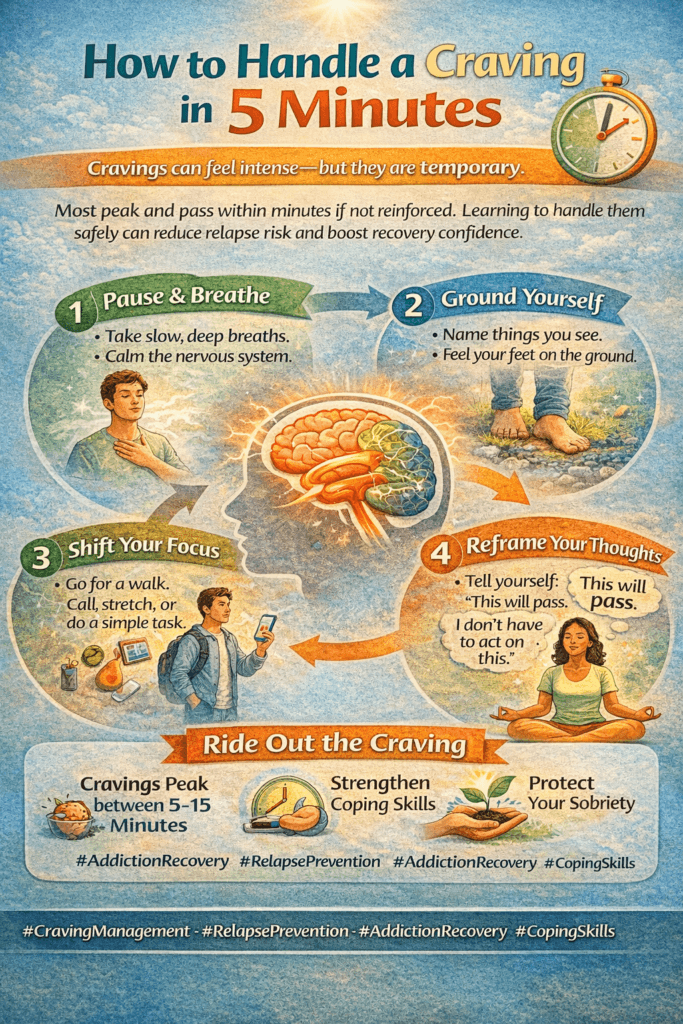
I used to think handling a craving meant “toughing it out,” but through my own experiments, I’ve found other strategies that work much better. These quick tips help address what you’re feeling, so the craving isn’t running the show. Here are five steps that work really well when you only have five minutes:
- Drink a Big Glass of Water: Sometimes thirst is sneaky and can feel like hunger. Drinking water gives you a moment to pause, and I’m often surprised by how much this helps. Try a whole glass, either room temp or icy, whatever fits you best.
- Change Your Environment: I find that if I step out of the kitchen, stretch, or go to another room, those intense cravings soften. Even looking outside or taking a lap around the block helps. A different view can calm your brain and switch your thoughts.
- Set a 5-Minute Timer: Telling myself to wait just five minutes lets that immediate craving fade away. Most cravings don’t last longer than that. Sometimes, I use that time to tidy up, send a quick message, or just breathe deeply.
- Distract Your Mind: It helps to have something ready—funny videos, a favorite song, or a super short podcast. Keeping my hands busy, whether doodling, fidgeting with a pen, or doing a short puzzle, works wonders too.
- Check In with How You’re Feeling: I ask myself, “Am I tired?” Bored? Stressed? Getting honest about what’s really going on sometimes makes the craving go away or makes it easier to choose the next best step.
Each of these steps is basic, but put together, they’re super effective at stopping a craving from taking over your mood and decisions.
Understanding the Different Types of Cravings
Cravings aren’t always coming from the same place. Sometimes I want something because I’m physically hungry, but often it’s more about emotions. Here’s how I break them down:
- Physical Cravings: These come up when your body actually needs food. Maybe you skipped a meal or worked out hard, and now you’re genuinely hungry. The best move here is to eat something balanced and nourishing, such as protein-, fiber-, and healthy-fat-rich foods.
- Emotional Cravings: These show up when I’m stressed, tired, or procrastinating. The food calls to me, but eating doesn’t solve the real problem. Identifying these cravings makes it easier to choose another outlet—maybe chatting with a friend or taking a few stretches.
- Habit Cravings: These are tied to routines, like always reaching for dessert after dinner or snacking while watching TV. Swapping food for another small ritual, like herbal tea or a five-minute walk, trains your mind over time to expect something different.
Getting clear about what’s driving the urge is helpful, not just in the short term but also in making better choices going forward. Sometimes I even keep a list on my phone of alternate habits that leave me feeling good, not sluggish.
5-Minute Craving Control: Step-by-Step Guide
Following a regular routine makes it easier to act quickly. Here’s a straightforward way to use your five minutes when you notice a craving creeping in:
- Step Away: Get up or move to another spot, even if it’s only a few steps away. Change your direction or pace. This helps break the autopilot response.
- Hydrate: Drink water. This step can’t be overstated. Sometimes I add a squeeze of lemon or a few mint leaves for flavor.
- Pause and Breathe: Set a timer for five minutes. Take several deep breaths in and out. As you breathe, try naming the craving honestly (“I’m craving chocolate because I’m bored”).
- Try a Quick Distraction: Flip through photos, read a funny meme, or go outside. Anything breaking the thought cycle works.
- Decide What to Do Next: After five minutes, check in with yourself. If you’re still craving something, ask if you actually need food, or if there’s another way to fill that need—maybe rest, water, or a quick social connection.
Repeating these steps helps you practice listening to your body and responding intentionally instead of reacting out of habit.
Common Challenges (And How to Handle Them)
Even when I follow these steps, there are times when cravings still trip me up. Here are a few issues I’ve come across, plus what I do to get through them:
- The Craving Won’t Go Away: Some urges hang on. In those moments, I don’t beat myself up. If I decide to eat the food I’m craving, I try to do it mindfully, enjoying each bite, not rushing, and noticing how it makes me feel afterward.
- Stress Makes Cravings Worse: When I’m stressed or running on no sleep, cravings come on more often. That’s usually my sign to prioritize sleep, self-care, or stress relief (like meditation, music, or connecting with friends). The craving is often just a signal that I actually need something deeper.
- Boredom-Based Snacking: I get these the most, especially during slow afternoons. If I’m bored, I try to shake up my activity—clean something, send a quick message, or read a light comic. Even a brisk walk outside can bring my focus back.
Hydration and Craving Control
I mentioned hydration earlier, but it deserves extra attention. Dehydration can send confusing signals to your brain, causing you to feel snacky when you actually just need water. I keep a reusable water bottle nearby and take sips throughout the day. Sometimes, a sparkling water or herbal tea does the trick as well. Not only does this keep cravings down, but it also just feels good for my energy and focus.
Building New Habits
Switching routines that trigger cravings requires time and repetition. When I replaced my nightly ice cream ritual with an evening herbal tea, it was tough for the first two weeks. But slowly, the cravings faded, and I didn’t miss sugar as much as I thought. The key is patience and consistency. It helps to find swaps that are enjoyable and satisfying in their own right.
When to Seek Extra Help
If cravings lead to stress, guilt, or eating patterns you’re not happy with, reaching out to a registered dietitian or counselor can help. Professionals have additional strategies and support that go beyond what most of us can do on our own. There’s no shame in asking for help. In fact, making that step is both wise and proactive for your well-being.
Practical Tips to Prevent Cravings in the First Place
Taking care of cravings in the moment is handy, but over time, prevention is usually best. Here’s what has helped me the most:
- Eat balanced meals throughout the day with protein, fiber, and healthy fats. These help keep you full and balance your energy.
- Aim for enough sleep; when I’m tired, foods like chips and cookies seem extra tempting.
- Manage stress with simple habits like journaling, deep breathing, or regular stretch breaks.
- Keep fewer nourishing snacks out of easy reach, and store wholesome options (fruit, yogurt, nuts) within arm’s reach.
Making small changes in these areas has cut down on cravings in a big way for me. Try a few and see which ones help in your daily rhythm.
Frequently Asked Questions
Q: If I keep giving in to cravings, does that mean I have no willpower?
A: Not at all. Willpower isn’t the main reason cravings pop up. Stress, fatigue, and even what’s around you have a much bigger impact. Handling cravings is about game planning new routines, not just “being tougher.”
Q: Are there foods that prevent cravings?
A: Foods rich in protein, fiber, and healthy fat keep you satisfied longer, lowering the chance of sudden urges. Ideas like yogurt with berries, almond butter on toast, or a veggie omelet help provide a steady energy boost and keep cravings at bay.
Q: Is it bad to give in to a craving?
A: Cravings aren’t “bad.” Allowing yourself a treat, especially if you eat it mindfully and slowly, can actually help you move on without regret. Always restricting yourself can make cravings even worse and build up more desire for forbidden foods.
Everyday Craving Control in Real Life
Everyone deals with cravings—it’s simply part of daily life, not a character flaw. I keep a few backup options on hand, like chewing gum, brushing my teeth, or sipping peppermint tea when cravings hit. I also talk openly about cravings with friends; turns out, everyone faces them in some way.
Noticing cravings as they arise and choosing how to respond—whether it’s with water, movement, or a quick pause—can slowly change your relationship with food and self-talk. That shift made a big difference for me. Building your own toolbox of simple tricks will leave you feeling more in control over time, and those once-overwhelming cravings will start to feel a lot less powerful. Keep practicing—you might be surprised at the changes you see in just a few weeks.
Video: This technique stops cravings before they escalate #recovery #intervention #mindset