HIV remains a serious public health concern, but many people don’t realize how closely it’s linked to drug use. Whether through injection, sharing equipment, or risky behaviors that happen while under the influence, drug use can significantly increase the chance of contracting HIV. Understanding these risks is essential for staying safe.
I want to highlight how drug use raises HIV risk, what situations are most dangerous, and the prevention tools and support available. This isn’t just about statistics—it’s about real people and the hope that comes from having the right information. If you or someone you care about is impacted by substance use, knowing the facts can make a life-changing difference.
How Drug Use Can Lead to HIV: The Basics
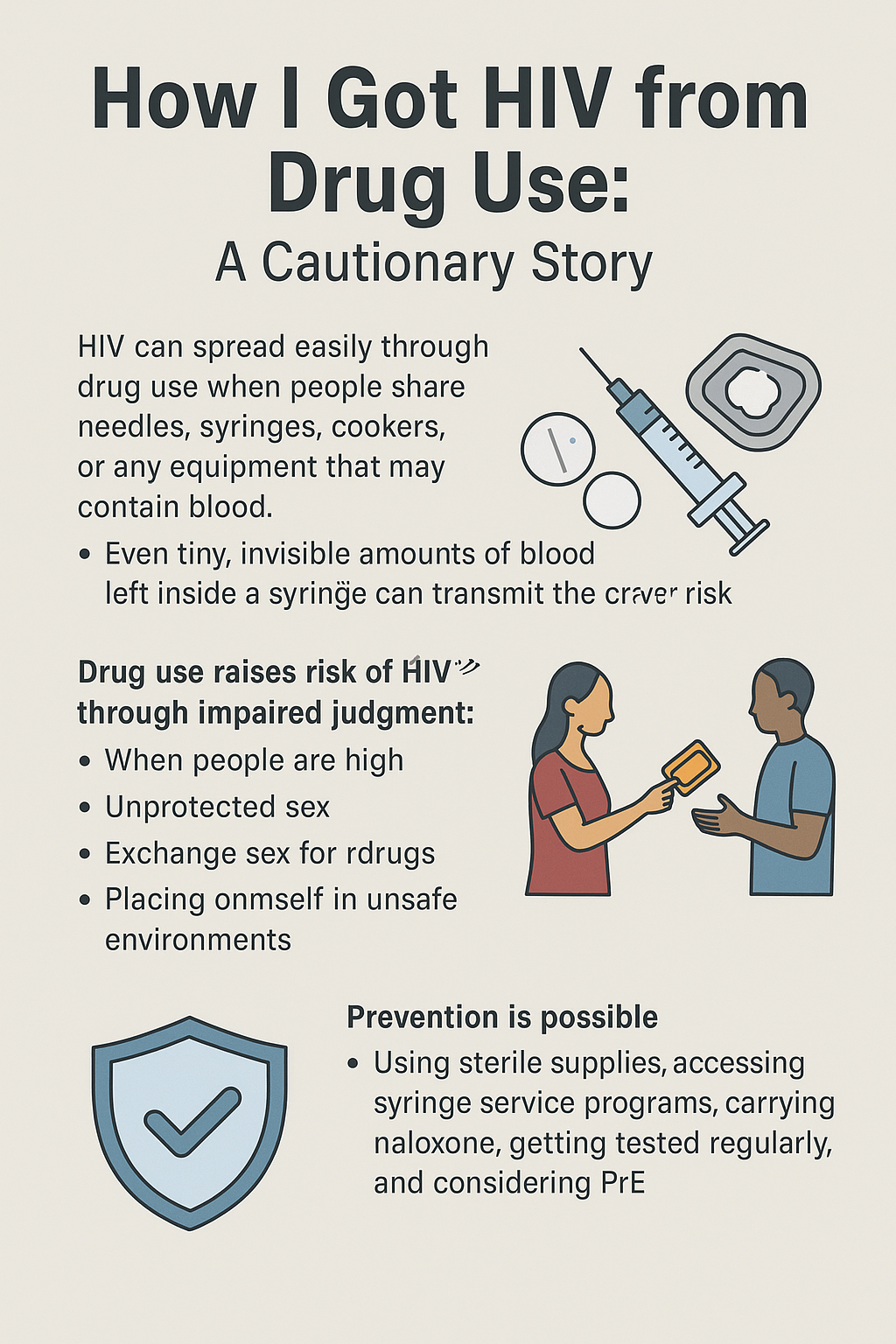
It’s not uncommon to hear about HIV in the context of unprotected sex, but sharing needles and other equipment during drug use can also pass the virus. When I first learned about this, the link didn’t seem obvious, but it’s actually pretty simple. HIV is a bloodborne virus, and sharing needles for drugs lets blood from one person get into the bloodstream of another.
This risk goes beyond just needles, too. Even using shared water, cookers, or cotton during injection drug use can open the door for HIV to spread. According to the Centers for Disease Control and Prevention (CDC), people who inject drugs are around 22 times more likely to get HIV than the general population. That’s a pretty big difference, and it shows just how important it is to understand the risks if you or someone you know uses drugs.
The opioid crisis turned a spotlight on this issue in recent years. Outbreaks of HIV tied directly to injection drug use have popped up in places where access to clean syringes and addiction services is limited. However, HIV from drug use can happen anywhere, not just in big cities or specific communities.
Understanding the Risks: What Really Happens When People Share Drug Equipment?
Sharing drug paraphernalia is a main route for spreading HIV. Here’s what happens in real-world situations:
- Needles and Syringes: A person injects drugs, some blood stays inside the needle or syringe, and when another person uses the same one, any virus present can get into their blood.
- Other Injection Tools: Small items like cookers, water vials, or filters might seem harmless, but even a tiny drop of infected blood can put someone at risk.
- Impaired Judgement: Drug use can also lower inhibitions. People might end up having unprotected sex or getting into situations that lead to riskier behaviors.
Even people who don’t use injection drugs can face some risks. For example, sharing straws or pipes for taking medicines that damage the lining of the mouth or nose can sometimes cause minor cuts that let viruses in. While the main risk is from injecting, there’s still reason to be careful with all kinds of shared drug use tools.
Prevention Strategies That Make a Big Difference
Staying safe is absolutely possible. I’ve seen how some simple strategies can go a long way in lowering the risk of HIV from drug use. Here’s what can really help:
- Use New, Sterile Needles Every Time: Many communities offer needle exchange programs that supply clean syringes for free. These have been shown to drop HIV transmission rates wherever they’re available. The CDC backs these programs as both safe and effective.
- Don’t Share Drug Use Equipment: Sticking to your own gear, from syringes to cookers, keeps your risk down.
- Consider PrEP: Pre-exposure prophylaxis (PrEP) is a daily medicine that can lower the risk of getting HIV by about 99 percent through sex, and by at least 74 percent among people who inject drugs, if taken every day.
- Access to Treatment: For anyone living with HIV, taking medication keeps you healthy and drops the chance of passing HIV to others to almost zero.
- Safe Disposal: Properly tossing used needles in sharps containers keeps the community safer, too.
Getting these services sometimes feels out of reach for people. Judgment, laws, or lack of resources might get in the way. Knowing where local harm reduction programs are or checking online resources can be a good first step. CDC’s Stop Overdose site offers a collection of links and guidance, and Harm Reduction Coalition connects people to services nationwide.
Personal Stories: The Human Side of HIV and Drug Use
Behind every statistic is a person, and understanding HIV from drug use is way more real when you hear these stories. I’ve heard a lot from people who learned they were HIV positive after using drugs, and many talk about the switch from fear to hope once they got support and treatment.
A friend I met through a community program shared how he used a needle just one time that had been used before. He never thought it would happen to him, but he tested positive for HIV months later. Now, he’s on treatment, living a whole life, and volunteers with a needle exchange to make sure others have a safer path if they need it. Stories like these make the risk and the need for prevention feel very real and personal.
Practical Challenges and How to Tackle Them
Steering through the realities of drug use and HIV can be tough for lots of reasons:
- Access: Sometimes pharmacies won’t sell syringes to people without a prescription, or there might not be a nearby needle exchange.
- Stigma: It’s easy for people to feel blamed or looked down on, which keeps them from asking for help.
- Mental Health: Struggling with substance use and mental health together makes it harder to keep up with safer practices or medications.
These aren’t problems that go away overnight, but support groups, trusted friends, or even online communities can make a real difference in how someone manages their health. Needle exchange programs and mobile harm reduction vans are growing in many areas, which is encouraging to see. Consistent funding and increased education about these services could reach even more people and save lives.
Legal Considerations
Syringe access and drug use laws vary across the U.S. Some places allow needle exchanges and even distribute naloxone (the opioid overdose reversal drug) without a prescription. In contrast, others still place restrictions on these services. Staying updated on local and state policies helps, and sites like Lambda Legal track legal rights around HIV, harm reduction, and healthcare access. If you’re unsure of your rights or what’s available locally, check with local health departments or advocacy groups for the latest details. Laws are changing in some areas as more people recognize that harm reduction saves lives.
Getting Tested: Why It’s Super Important
Routine HIV testing is one of the best prevention tools because it helps people get treatment ASAP. At-home test kits, community health centers, and even some pharmacies offer confidential and affordable tests. Knowing your status isn’t just about peace of mind. It opens the door to care and support right away. If you have any concerns or know someone who might be at risk, make testing a regular habit—early detection leads to better outcomes and less chance of passing the virus along.
Advanced Tips: Building Safer Habits and Connections
For anyone managing drug use, or looking out for someone who is, there are a few things that can help keep things safer and healthier over time:
Connect with Harm Reduction Experts: Harm reduction centers offer more than just supplies. They also connect people with health care, housing, and recovery services.
Plan Ahead: If someone uses drugs, keeping extra sterile supplies on hand lowers the pressure to share in a pinch. Some groups also hand out overdose prevention kits at the same time.
Stick with Trusted Sources: Only accept supplies from sources that seal or wrap equipment to keep it sterile. Never use something that might’ve been opened or used before.
Educate Yourself and Others: Knowing the facts about HIV, overdose risks, and recovery options can make decision-making a lot clearer, and it also helps fight misinformation or judgment in the community. Consider joining harm reduction workshops or online information sessions to stay up to date on the latest strategies and tips.
Peer Support Matters: Connecting with others who have walked a similar path can make you feel less alone. Many local organizations have peer navigators or support groups for people living with HIV or working on safer substance use. Their lived experience and insights can offer practical advice and emotional encouragement.
Common Questions About HIV and Drug Use
People have a lot of questions about HIV risks and drug use. Here are a few I hear pretty often:
Question: Can HIV spread anytime you use drugs?
Answer: HIV can only spread if blood, semen, vaginal fluids, or breast milk from a person with HIV gets into someone else’s bloodstream. Sharing needles or equipment for injecting drugs is a high-risk route, but using your own gear each time prevents most risk.
Question: Is hepatitis C also a risk?
Answer: Yes, hepatitis C spreads in similar ways to HIV, through contact with infected blood, especially from sharing needles. Always ask about getting screened for both if you’re at risk.
Question: If I get treatment for HIV, can I still use drugs?
Answer: While it’s best to talk to a healthcare provider, getting on HIV treatment and sticking to your prescriptions helps you stay healthy. Harm reduction support can help you manage both issues together, and some providers specialize in assisting people to manage HIV and substance use at the same time.
Question: Where can I find a needle exchange?
Answer: Search online for local harm reduction programs, needle exchanges, or syringe service programs. The CDC’s Syringe Service Programs page is a good place to start. Local health departments or advocacy organizations can also point you in the right direction.
Resources and Support
Tackling the risks linked to drug use and HIV really is possible with the right resources and support. Needle exchanges, community clinics, and hotlines make it easy to get safe supplies, testing, and links to treatment when you need them. Helpful resources include:
Drug use can increase the risk for HIV, but with knowledge, safer habits, and supportive services, there’s an absolute path to health and wellbeing. Whether you’re looking for help for yourself or someone else, reaching out for accurate info and tools makes a huge difference. No one is alone in this—support and resources are ready when you reach out.
Video: 5 SHOCKING Facts About HIV and Needle Sharing