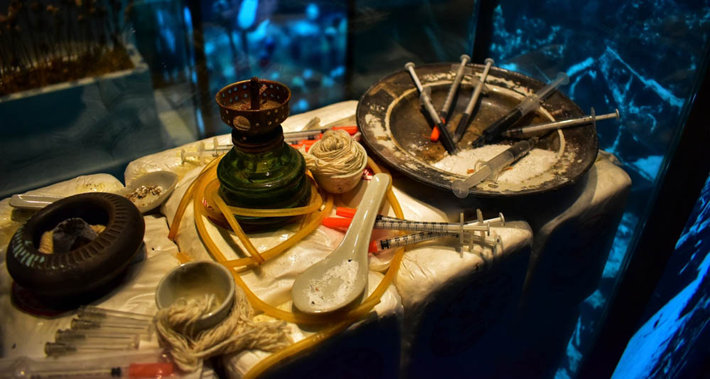
Heroin is a drug that’s been shaping history for over a century, and its story is pretty eye-opening. From its beginnings in a chemistry lab to its reputation today, heroin has gone through many phases. It’s been seen as a pharmaceutical breakthrough, an illegal street drug, and the fuel for countless debates about medicine, addiction, and law. Here’s what I’ve learned about how heroin came to be, how it was used, and how its influence continues to ripple through society.

The Origins of Heroin
Heroin’s story kicks off in the 19th century, when scientists searched for effective painkillers from the poppy plant. They had already extracted morphine, a powerful pain reliever, by isolating it from opium poppies. Morphine helped dull pain much more than other medicines of its time, but it had a considerable downside: people easily got hooked on it.
In 1874, Charles Romley Alder Wright, an English chemist, first synthesized heroin, although he called it diacetylmorphine. Wright wasn’t aiming to make something recreational. Instead, he wanted to create a less addictive version of morphine for medical use. His creation, however, went largely unnoticed for years.
In 1898, the German pharmaceutical company Bayer began selling diacetylmorphine under the new trademark “Heroin.” The name was inspired by the German word “heroisch” (heroic), since testers described heroic feelings after trying it. Bayer marketed heroin as a safe, little-to-no-addiction alternative to morphine or codeine. It appeared in cough syrups and various remedies for aches and pains at the time. This was long before people really understood the risk.
Medical Use and the Rise of Heroin
In the first years of the 20th century, doctors worldwide wrote heroin prescriptions for everything from severe coughing to pain after surgeries. Heroin was considered a significant step forward, able to wipe out severe pain quickly. Some doctors felt it could give a boost to people struggling with morphine addiction by offering a supposedly “safer” substitute.
This was a time with few drug regulations. It was possible to walk into a pharmacy and purchase heroin cough syrup or over-the-counter herbal tablets with heroin as the active ingredient. There wasn’t much public worry about getting addicted—Bayer’s own marketing boasted it was safer than morphine by a long shot.
But it didn’t take physicians and pharmacists long to spot some dangerous trends. Patients who only used heroin for a short stretch were suffering intense withdrawal symptoms, even worse than those from morphine. By the 1910s, experts realized heroin wasn’t just addictive, but was even more addictive than morphine.
From Medicine Cabinet to Black Market
As the dark side of heroin emerged, laws started appearing. In 1914, the Harrison Narcotics Tax Act went into effect in the United States, locking down opiates and making heroin prescription-only. Other countries also set up similar regulations. By 1924, heroin was entirely banned for medical use in the U.S.
Getting rid of heroin in pharmacies didn’t erase it from society. Those who needed or wanted heroin still found ways to buy, sell, and use it underground. This era marked the true beginnings of illegal heroin trafficking. Organized crime and new global smuggling routes rose up to supply users.
Throughout the 20th century, heroin kept causing trouble in waves, often connected to immigration, trade, war, and even counterculture movements. Its illegal use hit cities especially hard, where it became an escape from stressful lives, discrimination, or economic hardship.
Heroin’s Chemistry and How It Works
Heroin is a derivative of morphine, both of which come from the opium poppy. Scientists create heroin by adding two acetyl groups to morphine molecules, making heroin more fat-soluble. This allows heroin to pass into the brain rapidly when injected, sniffed, or smoked, giving users a near-instant sense of euphoria.
Inside the brain, heroin quickly morphs back into morphine. Morphine molecules attach to opioid receptors that manage pain and reward and help us feel good. This strong response explains the intense “high” heroin users experience. Repeated use messes with the brain’s chemistry, so the body demands heroin to feel normal, creating a tough cycle of dependence and addiction.
Challenges and the Global Heroin Trade
Once heroin left pharmacies and hospitals, the demand still existed. Many people saw serious profit in meeting it illegally. Farmers in Afghanistan, Myanmar, and Mexico grew opium poppy to supply raw materials. Smugglers shipped heroin to Europe, North America, and beyond, leading to cross-border enforcement challenges.
Governments tried to tone down heroin use through a mix of police crackdowns, harm reduction tactics such as needle exchanges, and broader addiction treatment. Yet, the illegal heroin market stuck around due to its big profits and the firm grip addiction holds on many. The “War on Drugs,” kicking off in the late 20th century, put heroin on the front lines, but results didn’t always match expectations. In some years, authorities doubled down on enforcement; in others, the emphasis swung to health-based solutions.
Heroin’s reach went beyond criminal activity. It shaped government policies, healthcare debates, and even international relations. Drug crackdowns mixed with programs offering support have both played a part, but more recently, the need for health-focused solutions has been rising.
Health Effects and the Human Toll
The dangers of heroin are no joke. Overdosing can cause slowed or stopped breathing, which is one reason accidental deaths have become so common. Heroin addiction rewires the mind and damages the body, but its harmful effects spill out to families, neighborhoods, and strained medical services.
Users develop tolerance quickly and need more of the drug for any effect. This cycle is partly what makes heroin so challenging to let go of; even for those who want to quit, withdrawal hits hard. Symptoms range from sweats and aches to vomiting, chills, and severe cravings—making it challenging to stop without outside help.
Disease transmission is another critical issue. Sharing needles is closely tied to HIV/AIDS and hepatitis C outbreaks. To push back, public health programs now stress providing clean needles, better access to addiction treatment, and medications that help people taper off heroin gradually.
Modern Use and Treatment: What’s Changed?
Most places still outlaw heroin, but strategies to confront heroin addiction have changed a lot. Today, the trend is to handle heroin abuse as a health concern, not just a legal problem. Clinics use medications like methadone and buprenorphine to help people reduce cravings and safely steer away from heroin. Countries like Switzerland and Portugal have experimented with supervised heroin treatment for people who didn’t succeed with other therapies, seeing noticeable drops in deaths and drug-related crime (NCBI: Heroin-assisted treatment).
The opioid crisis in North America has also pushed heroin back into the spotlight. Prescription painkillers often start people on an opioid path. When prescriptions dry up, heroin is sometimes the next stop because it’s cheaper or more available locally. For this reason, harm reduction and accessible treatment matter more than ever.
Common Questions About Heroin’s History and Impact
People have plenty of questions about heroin’s grip and changing image in society. Here are a few that come up often:
Question: Why was heroin ever considered safe for medicine?
Answer: Early doctors didn’t know enough about long-term effects. They believed heroin to be safer than morphine, but experience soon showed that heroin’s addictive power was even stronger.
Question: How does heroin compare to prescription opioids?
Answer: Both act on the brain’s opioid receptors, posing very similar risks. Heroin is usually less predictable due to street-level contaminants. Some prescription opioids, such as fentanyl, are more potent than heroin, but heroin’s illegal market history is much longer.
Question: Where is heroin made today?
Answer: Heroin mainly traces its roots to poppy fields in Afghanistan, Mexico, and Myanmar. These areas have favorable climates and established networks for global distribution.
Looking Back: What Heroin’s Story Teaches Us
The story of heroin is a lesson in changing science, medicine, law, and society. It shows how inventions meant for good can twist into large-scale problems. Heroin started with promise in the medical world, but its addictive hold made it a global public health crisis—one that still touches millions of lives.
Treatment, education, and new health strategies shape the stories next. By looking at the past, we have a better shot at helping people struggling with addiction today and making sure future drugs don’t repeat heroin’s troubled history. Time will tell how the following chapters unfold, but awareness and compassion remain key as we move forward.
Video: History of Heroin