Alcohol has a history that spans thousands of years, from the earliest fermented brews of ancient civilizations to today’s sophisticated distilleries. It has played a role in religious rituals, traditional medicine, social gatherings, and even political events, reflecting cultural shifts and innovations along the way. This guide delves into alcohol’s fascinating journey, exploring how a simple fermented drink has left a lasting mark on societies worldwide.
The Origins of Alcohol: Early Beginnings
Alcohol didn’t just pop up without warning; it started with people paying attention to the effects of fermentation. Ancient folks noticed that fruit left out in the heat began to bubble and developed a changed flavor. That’s natural fermentation, where wild yeasts turn sugars into alcohol and carbon dioxide.
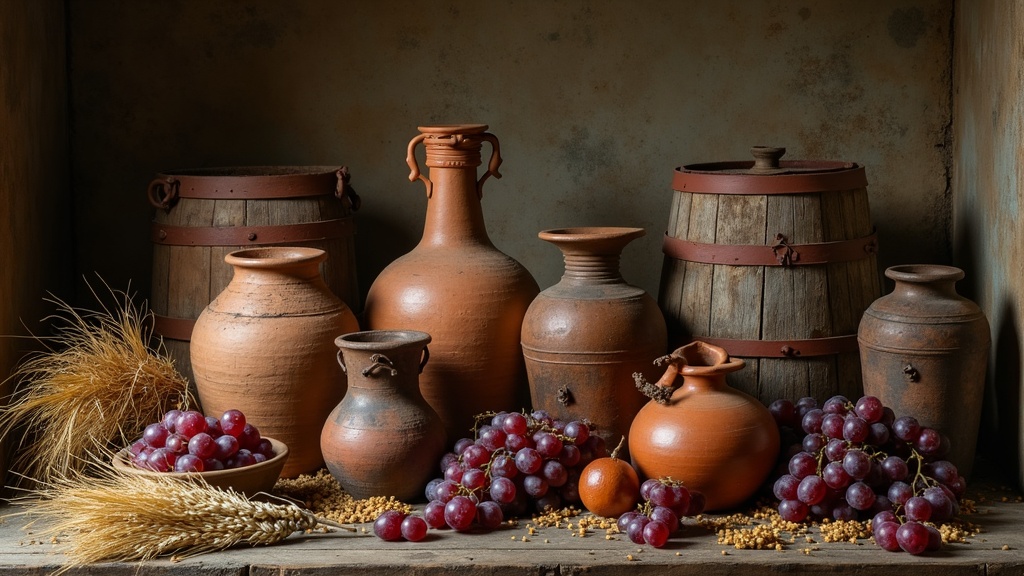
There’s evidence of intentional alcohol production dating back nearly 9,000 years. Archaeologists in China uncovered pottery jars from around 7000 BCE that contained traces of a fermented drink made from rice, honey, and fruit. Simultaneously, people in the Middle East started brewing beer-like beverages and mead (a honey drink). Evidence from the Zagros Mountains in Iran suggests that about 5400 BCE, people were making grape wine.
Early alcohol wasn’t just for fun. It played a role in group meals, feasts, and ritual gatherings, becoming a significant part of early social life. People quickly improved at making their recipes tastier, safer, and more consistent by experimenting with different ingredients, storage methods, and brewing times.
Alcohol in Ancient Civilizations
As civilizations grew, alcohol became a staple in daily meals, economics, and culture. By 3000 BCE, Sumerians and Babylonians had developed advanced beer recipes. One key example is the “Hymn to Ninkasi,” which is dedicated to the Sumerian goddess of beer and doubles as brewing instructions.
In ancient Egypt, beer and wine were central to daily life and religious events. Beer was a popular drink, believed to be safer than river water, and workers on major building projects received beer rations as part of their pay. Wine, meanwhile, was reserved more for the elite and was important in ceremonies and funerals.
The Greeks and Romans took alcohol a step further. The Greeks watered down wine at their symposia—social gatherings full of debate, music, and storytelling. The Romans developed new ways to store, age, and ship wine, turning it into a massive trade item spread throughout their empire. Social status, drinking customs, and wine quality became tied together, even for Roman soldiers, who received wine as part of their supplies.
Medieval Times: Monks, Medicine, and Distillation
Alcohol’s role shifted during the Middle Ages in Europe. Monasteries became centers for brewing experiments, protecting both beer and wine traditions. The Benedictine, Trappist, and other monastic orders helped keep the knowledge alive through tough times such as wars and famines. Monks experimented with grains and hops and tried different fermentation practices, laying the groundwork for many of Europe’s favorite beers and wines.
Back then, alcohol was far more than a luxury. With uncertain water quality, weak beer called “small beer” was a typical drink for kids. It had enough alcohol to kill off germs but not enough to cause intoxication.
These centuries also saw distillation arrive in Europe, influenced by Arab and Persian alchemists. Distillation lets people concentrate alcohol, making spirits like brandy and early forms of whiskey. Initially, these distilled drinks, or “aqua vitae” (water of life), were often used medically or for sterilization. Only later did they become bar classics.
The Age of Exploration and Global Exchange
In the 15th and 16th centuries, as Europe explored the world, alcohol played a significant role. Wine, beer, and rum rode in ships’ holds, keeping crews healthy and spirits up on long adventures. Spirits like rum, distilled from sugarcane in the Caribbean, became essential trade items, especially in the Atlantic slave trade.
Alcohol wasn’t just a drink; it sparked business. Spanish Brandy de Jerez, Irish and Scottish whisky, and English gin flourished. Gin’s popularity skyrocketed in Britain during the 18th-century “Gin Craze,” when it was dirt cheap and available nearly everywhere, leading to social problems, health concerns, and public safety concerns.
The spread of alcohol was boosted by colonization. Indigenous peoples in the Americas, Africa, and Australia encountered powerful spirits for the first time, often with significant challenges to health and society following these introductions.
Industrialization, Regulation, and the Modern Era
The 18th and 19th centuries brought a technology boom to alcohol production. Factories could pump up output, standardize recipes, and market products on a much grander scale. Scientific discoveries, like Louis Pasteur’s research on yeast and fermentation, took the guesswork out of brewing and made alcohol safer and more reliable.
These changes shaped new drinking habits. Beer and spirits were sold in pubs and saloons. Whiskey became a hallmark in the expanding United States, where bourbon and rye took off. Champagne, with its fizz, became the go-to for celebrations and was soon seen as next-level cool.
As alcohol became easier to buy and more problems appeared with overuse, governments began to step in and pass laws on drinking. The most famous example is Prohibition in the United States (1920 to 1933), which banned the production and sale of alcohol. This only spurred bootlegging, hidden bars called speakeasies, and organized crime, showing just how tough it is to enforce such bans.
Alcohol in Contemporary Society
Today, alcohol is woven into everyday life, business, and global cultures. Movements like craft brewing, natural wine, and small-batch spirits are spreading like wildfire. People seek quality and tradition, experimenting with bold flavors and unique drinking experiences.
Society’s attitudes keep mixing things up. Health research has urged some to cut down or go for low-alcohol or alcohol-free choices. Some countries have tight rules, while others center alcohol in dining and social scenes. Marketing, advertising, and legal policies on age, consumption, and driving show the ongoing influence the alcohol industry has worldwide.
If you want a snapshot of today’s alcohol scene, picture a lineup that includes IPAs, lagers, prosecco, tequila, sake, and plenty of attention to responsible drinking and wellness. No matter what you drink, alcohol’s history continues to shape how we make, market, and savor it.
Common Alcohol History Questions
People often ask about details from alcohol’s long story, so here are some quick answers:
How did ancient people figure out alcohol?
It started with a bit of luck and curiosity. Fruits and grains can ferment independently, and early humans noticed odd tastes and effects. Over time, they learned how to repeat the magic and refine the process.
What’s the oldest type of alcohol?
The most ancient, confirmed beverage is a fermented mix of rice, honey, and fruit from Neolithic China, around 7000 BCE. Beer and wine both emerged soon after in the ancient Near East.
Did people really drink alcohol because water was unsafe?
In many areas, yes. Weak beer or “small beer” was safer than possibly polluted water and became an everyday staple in places like medieval Europe. The alcohol content was high enough to kill germs but low enough to avoid getting people drunk.
How did spirits like whiskey and rum get their start?
Early distillation was used to make medicines. However, as people began sampling these strong drinks, their appeal grew. Whiskey took off in Ireland and Scotland, and rum was born from sugar production in the Caribbean.
Fun Facts from Alcohol’s History
- Oldest Brewery: Archaeologists discovered the oldest known brewery in a cave in Israel, dating to about 13,000 years ago.
- Beer as Currency: Workers in ancient Egypt occasionally received beer rations as compensation.
- Prohibition’s Thirsty End: When Prohibition finally ended in the United States, lines formed at bars to celebrate with a drink and “wet their whistles.”
- Monks and Brewing: Many top beers started in monasteries, and some monks are still brewing legendary batches today.
Final Thoughts
The ride of alcohol through history takes us through science, society, and celebration. Each era has added something new to the traditions, tastes, and industries we enjoy now. Whether you’re sipping on a bottle crafted centuries ago or checking out the latest microbrew, remember there’s a rich backstory in every glass. Getting a sense of alcohol’s timeline lets us see its impact on the world and, for many, adds another layer of fun to enjoying a good drink.
Video: History of Alcohol