Recovering from psychological abuse while dealing with addiction can feel like an uphill adventure. There are many layers to peel back, and shifting your mindset from feeling like a victim to living as a survivor is a powerful part of the process. I’ve learned that recognizing, confronting, and healing from psychological abuse isn’t always talked about enough in addiction recovery. Sharing what really helps can spark the hope and confidence that things can get better. This article covers practical steps and experiences I’ve found really important on the road to healing.
Understanding Psychological Abuse in the Context of Addiction
Psychological abuse includes things like manipulation, threats, constant criticism, gaslighting, and isolating someone from support. People stuck in addiction might have gone through this kind of abuse from a partner, family member, friend, or even while growing up. Addiction and psychological abuse often get tangled together. Emotional hurts can push someone deeper into addiction, while substance use can open the door to even more emotional harm from others.
Knowing what psychological abuse looks like helps you recognize it’s not your fault. Abusers use shame, guilt, and control to keep people feeling powerless. Recognizing these patterns is a first step to switching out of a victim mindset. It gives you a sense of agency in your recovery adventure. You can start naming the things that need healing, not just the addiction itself, and that’s what gives people hope.
The Link Between Psychological Abuse and Addiction Recovery
Many people use substances to numb pain, anxiety, or memories connected with emotional abuse. The cycle of abuse can actually become harder to break when addiction is involved, because substances might become a shield, or even a survival tool, against emotional harm. When you begin to heal from addiction, memories or triggers connected to the abuse can surface and be overwhelming at first.
That’s why it’s really important to treat addiction and psychological abuse together—not as two unrelated issues. Most addiction recovery programs now recognize trauma-informed care as part of their approach, and that means looking at what you’ve experienced, not just what you’ve done. Therapy options like Cognitive Behavioral Therapy (CBT) and EMDR have helped people work through pain from both abuse and addiction. There’s no need to rush the process; just knowing it’s possible to recover from both can be a relief.
Recognizing and Challenging the Victim Mindset
Living with addiction and emotional abuse can make it feel like things will never change. The victim mindset shows up as negative self-talk (“Nothing will get better for me,” “I’m broken,” “This is just my life now”). These thoughts can seem natural, but often, they’re put there by the abuser or the helplessness that comes with addiction. Noticing these thoughts and their roots is a game-changer.
One way to begin challenging this mindset is to practice self-compassion during recovery. Journaling helps spot patterns and thought traps that might have been picked up from past trauma. Support groups specific to both addiction recovery and abuse survival can help switch your focus from helplessness to hope by hearing similar stories and their solutions. Reframing negative self-talk takes steady practice, but every effort counts. Having self-compassion, even on the lowest days, is a real act of bravery.
Practical Steps Toward Survival and Healing
Healing from psychological abuse while in addiction recovery isn’t about one big turning point. It’s about taking consistent, small actions. Here are some practical ideas that have helped me and others in recovery:
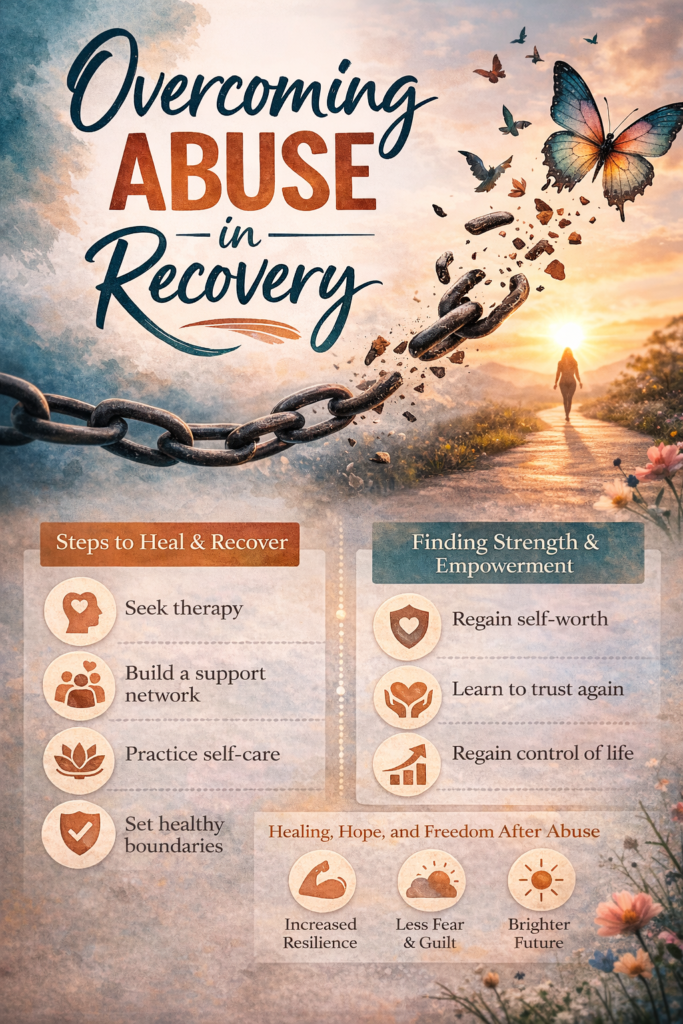
- Find a Safe Support Network: Whether it’s a therapist, a twelve-step group, survivors’ meetings, or online forums, safe people who understand abuse and addiction can really help with emotional safety and accountability.
- Set Boundaries: Learning how to say “no,” avoid toxic people, and limit interactions with those who harmed you can be tough at first, but it gets easier with practice. You can decide who is part of your life now.
- Explore Trauma-Informed Therapies: Therapists who understand how abuse and addiction overlap can guide you in facing both without judgment. Modalities like somatic experiencing, EMDR, and narrative therapy are worth checking out.
- Develop Self-Care Routines: Simple practices, such as eating well, resting, moving your body, and making time for creative or soothing activities, help ground you when emotions run high.
- Practice Mindfulness and Grounding: Meditation and grounding techniques (like feeling your feet on the floor or naming five things you see) can help whenever anxiety or flashbacks hit.
Common Challenges (and How to Find Your Way Through Them)
This adventure isn’t always smooth, and there are plenty of setbacks and difficult days. Here are some challenges that come up for a lot of people, along with tips that make a difference:
- Triggers and Flashbacks: Smells, songs, or situations can bring up past abuse or cravings fast. Building a “toolkit” of coping skills and reaching out to safe supports during tough moments is super useful. Things like tactile objects, deep breathing, and affirmations can be anchors in a storm.
- Guilt and Shame: Emotional abuse can make you feel responsible for things that weren’t your fault, especially if you relapsed or made mistakes. Listing out positive changes, even small ones, and forgiving yourself helps break that cycle.
- Isolation: Both abuse and addiction thrive in isolation. Even short, simple messages to friends or participation in virtual recovery meetings keep the walls from closing in and help you feel less alone.
- Trust Issues: Rebuilding trust takes time. Moving slowly and carefully choosing who to let back in is okay. Therapy and group settings can help you practice trust in a low-pressure way.
Triggers and Flashbacks
For me, having a plan in place when flashbacks struck was a lifesaver. I kept a simple card in my pocket with numbers to call and practiced breathing techniques for those heavy moments. These plans don’t make triggers vanish, but they help you ride out the wave without falling into old habits.
Guilt and Shame
On tough days, I made it a routine to jot down three things I was proud of, even if they were tiny wins. Over time, seeing those reminders written out helped me challenge the story of unworthiness my abusers had planted.
Isolation and Trust
Connecting with people who “got it” (even if just through online forums) transformed my experience. Slowly, taking small steps like showing up for group meetings and texting new friends became key to opening up again. Trust doesn’t have to be rushed; every piece counts.
Building Resilience and Giving Yourself a Boost
As you move forward, overwhelming moments start to become more manageable. Building resilience comes from recognizing both tough days and victories. Giving yourself a boost happens as you realize the power it takes to leave abuse behind and keep showing up for recovery.
Some ways I’ve seen people build resilience include taking on small challenges, like volunteering or learning a new hobby, finding purpose by helping others, and regularly reminding themselves of their progress. Celebrating forward steps, even baby ones, helps reinforce the survivor identity over the victim story.
Try making a “survivor collage” with images and words that reflect who you want to become or what you’ve made it through. Keeping reminders like these visible shifts your mindset to focus on how far you’ve already come. It’s a simple, creative way to add positive momentum to your healing process.
Real World Benefits of Healing from Psychological Abuse in Recovery
As people work through the pain of psychological abuse, new benefits start appearing in addiction recovery, too. Boosted confidence, stronger relationships, and a deeper sense of self-worth start to replace the old shame cycle. When you start believing you deserve better, sticking to healthy choices and staying clear of toxic situations feels much easier.
- Improved Relapse Prevention: Understanding emotional triggers and setting boundaries can lower relapse risk. Having a plan makes all the difference.
- Better Relationships: You’ll be able to spot red flags in others and state your needs clearly, bringing a new level of respect to your connections.
- Long-term Healing: Working on psychological abuse helps keep old patterns from repeating, which makes your progress through addiction recovery much steadier and more sustainable.
Frequently Asked Questions
People often ask about how to handle the double challenge of abuse and addiction recovery. Here are a few questions I hear the most:
How do I know if I’ve been psychologically abused?
Feeling constantly worthless, afraid to speak up, or confused about what’s real are common signs. If you hide parts of your life out of fear for someone’s reaction, that’s another red flag. Mental health pros can help you sort out your experience in a safe space.
What if I can’t afford therapy?
Look for nonprofits, community centers, or online groups that offer low- or no-cost support. Many addiction programs have resources or know about free support for people healing from abuse, too. Sometimes, students in counseling programs offer affordable sessions as part of their training. Don’t give up—affordable help is out there.
Is it normal to feel angry or sad about my past while in recovery?
Yes, it really is. Strong emotions are part of healing. Try finding safe outlets, like talking with someone who understands, journaling your thoughts, or using art and music for creative expression. The more you let out, the less burden you carry alone.
Moving Forward as a Survivor
Shifting from being a victim to being a survivor means reclaiming your story, bit by bit, day by day. It’s about learning your patterns, setting boundaries, and practicing self-compassion when struggles show up. Recovery isn’t about pretending the pain never happened or discounting your experiences. It’s about building a real life where your choices, health, and happiness matter most. Even when progress feels slow, every step you take is proof of your strength, courage, and worth.
If you’re reading this during a hard time, you’re already making progress by seeking support and information. Keep going; healing is possible, and a full life after abuse and addiction truly is within reach. Hang on to hope—the transformation is real, and you deserve it.
Video: Rebuilding Trust After Abuse Starts Here #trauma #healing #recovery