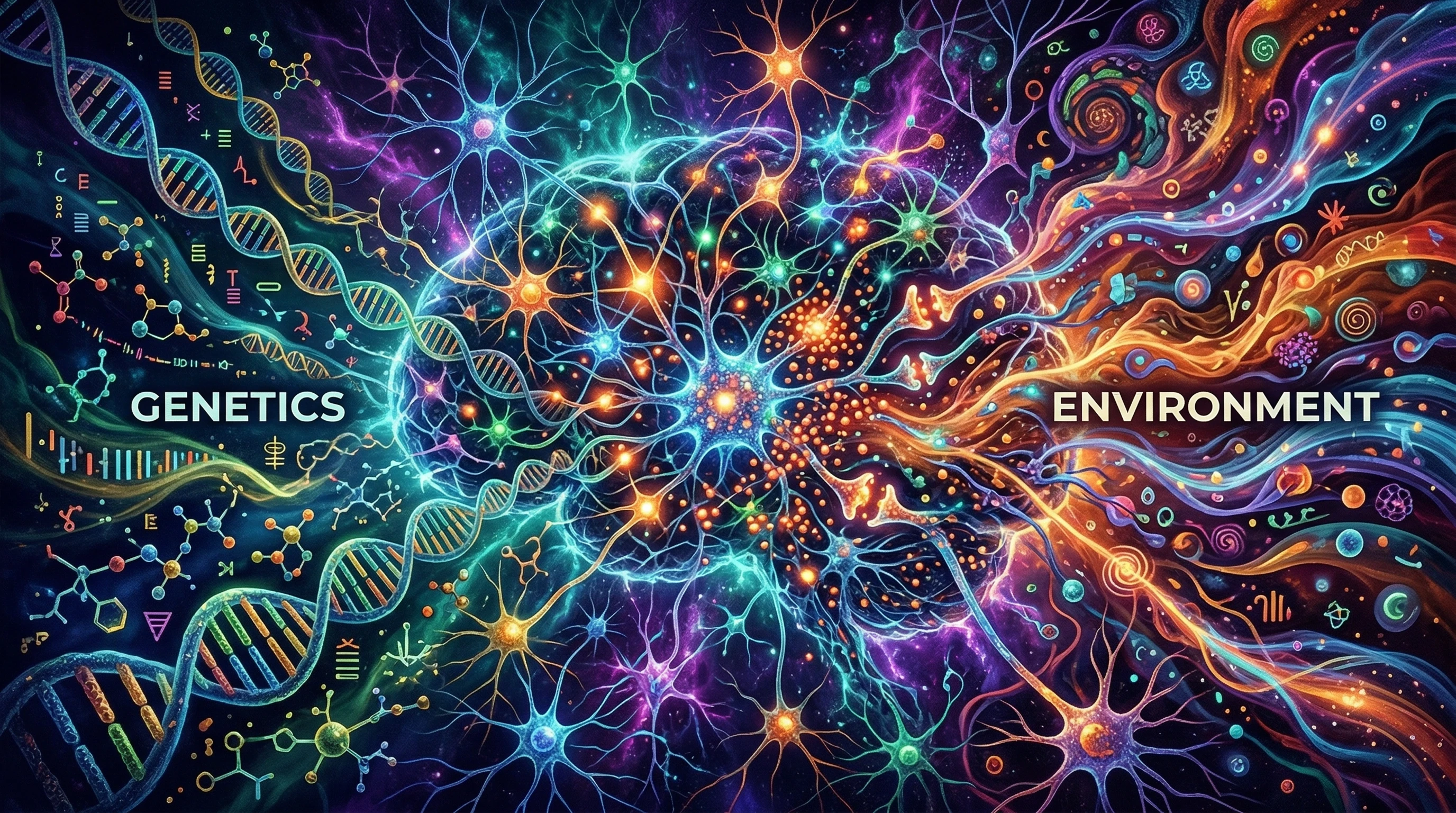
Addiction science is an incredibly interesting field, and it’s a topic that’s on a lot of people’s minds. I find that questions about why some people develop addictions, while others don’t, come up all the time. It’s a tricky subject since there’s no single answer. Does addiction happen because of your genetics, or is it really shaped by the environment? The truth is, it’s complicated, and there’s a lot to unpack. In this article, I’ll take you through what I’ve learned about the science of addiction, with a focus on how both nature and nurture play into it.
The Basics: Understanding the Roots of Addiction
If you’ve ever wondered what causes addiction, you’re definitely not alone. Researchers and doctors have been checking out this question for decades. Addiction isn’t simply about using something too much; it’s a complex condition that involves brain chemistry, genetics, environment, and psychology. According to the National Institute on Drug Abuse (NIDA), addiction is a chronic brain disorder that changes how the brain does its job.
People sometimes believe addiction just comes down to poor choices, but science no longer sees it that way. Brain imaging studies show that repeated drug use can change how the brain’s reward and self-control systems work. Once these systems have changed, resisting powerful cravings becomes much more difficult. That’s why treating addiction isn’t simply about willpower; it’s a real medical challenge.
The big question that always comes up: where does this vulnerability originate? Is it hidden in our DNA, or is it the result of our experiences as we grow up? Turns out, both sides play big roles.
Digging Into Nature: The Genetic Side of Addiction
Genetics plays a major role in shaping our health, and that means addiction risk too. Studies comparing twins and families show a pretty consistent takeaway: about 40% to 60% of a person’s risk for addiction comes down to genetics.
This doesn’t mean there’s a single gene that “causes” addiction. Instead, people inherit a bundle of genes, and some of those affect how their brain responds to something like drugs or alcohol. For example, certain genetic variants influence dopamine, a brain chemical tied to pleasure and reward. Some folks’ systems may handle dopamine differently, making substances more enjoyable or harder to resist.
Researchers have found specific genetic markers linked to increased addiction risk, like variations in genes for enzymes that break down alcohol, or those that regulate key neurotransmitters. If you have family members with substance use issues, your personal risk goes up. That means paying attention to family history is really useful if you’re curious about your own risks.
- Genome-wide studies: Researchers analyze DNA from thousands of people to identify patterns associated with substance use disorders. These studies help pinpoint which genes are related to addiction vulnerability.
- Brain structure: Some inherited brain differences affect impulsivity and sensitivity to stress, and these traits might put someone at higher risk.
Nurture’s Role: How Environment Shapes Addiction
Even though genetics matter, what happens in your world is just as important. The environment shapes which risks actually turn into problems. For example, growing up exposed to high levels of stress, trauma, or substance use at home heightens addiction risk.
Social influences have a seriously strong pull. Everything from peer pressure, low adult supervision, or living in a neighborhood where drugs or alcohol are easy to access, all increase the odds. Early exposure is significant, too. If someone starts using drugs or alcohol as a teenager, while the brain is still developing, the risk of addiction later is higher.
- Family dynamics: Supportive families can help keep someone from developing an addiction, while unstable home environments or a lack of support do just the opposite.
- Childhood trauma: Evidence shows that going through tough or traumatic experiences as a child raises the risk of addiction later in life.
- Culture and society: The attitudes and norms in your community around substance use really matter. What’s seen as “normal” in one place might be totally off-limits in another, and these views impact decisions.
The Science of Brain Chemistry and Adaptation
One of the most important parts of addiction science is understanding what happens inside the brain. When someone uses substances like alcohol, nicotine, or opioids, their brain gets a surge of reward chemicals—mainly dopamine. The more this happens, the more the brain starts to expect it. Over time, the brain’s pathways change in response, leading to tolerance (needing more to feel the same effect) and cravings.
This is the spot where genetics and environment really mix together. Some people’s brains naturally adapt in ways that make quitting much harder. Others have a stronger ability to handle stress, so they’re better at resisting urges. But if someone’s environment is full of triggers—friends who use, constant stress—their brain changes are likelier to stick around.
Recovery is also influenced by both biology and environment. Some folks seem to find quitting easier, while others struggle for years. Both traits you inherit and your lifestyle matter—having a support network, access to treatment, and healthy coping skills all help with recovery.
Quick Guide: Common Myths About Addiction Science
- Myth: Addiction is only about willpower.
Nobody actually chooses to be addicted. Sure, trying something for the first time is a choice. But after repeated use and the changes that happen inside the brain, it goes way beyond just good intentions or willpower. Both biology and ongoing exposure make for a tough struggle. - Myth: If addiction runs in the family, it’s unavoidable.
Genes only increase the odds—they don’t guarantee you’ll become addicted. Environment and lifestyle have a significant impact, and with the right support in place, the risk can be managed. - Myth: People can stop whenever they decide to.
Quitting is much more complicated than just wanting to stop. Addiction rewires brain circuits that control decisions and self-control, so support, treatment, and patience are usually needed.
Things To Think About: Prevention and Practical Steps
- Know your risk: If you know addiction runs in your family, be extra thoughtful about your own choices. Learning about the effects of substances can go a long way.
- Early intervention: Addressing issues early—emotional, mental health, or social—can make a big difference. Schools and workplaces that offer support are definitely making progress.
- Positive support networks: It might seem simple, but hanging out with people who support healthy choices goes a long way in preventing addiction.
Family Support and Community
I’ve seen for myself how families and communities can change lives. People who feel connected and supported are far less likely to fall into addictive patterns. Prevention programs that build up resilience and teach real skills for managing stress show the best results. Community engagement is key, so getting involved and connecting with others matters more than many realize.
The Role of Education
Understanding how substances affect the brain and body, along with building good decision-making skills, lowers the rates of substance abuse—especially in teens and young adults. Sharing honest, judgment-free information works a whole lot better than scare tactics or exaggeration.
Advanced Insights: Epigenetics, Stress, and Hope for the Future
Addiction science has moved past just “nature versus nurture”. It’s more about how the two interact and overlap, and sometimes they even cross paths at the genetic level through something called epigenetics. This means the environment changes how certain genes are expressed, almost like turning risk genes on or off in response to life experiences. For example, chronic stress can change gene expression in ways that raise addiction risk over time.
There’s real hope on the horizon, too. Researchers are working on understanding individual risk “profiles”, so new medications and therapies can zero in on specific brain circuits tied to addiction. Plus, knowing how the environment plays with biology means prevention efforts can be custom-fit to what each person or community needs most. Ongoing research might even lead to breakthroughs in early detection and targeted intervention for those at highest risk.
Efforts are also growing around recovery programs that blend medical help with social support and education. These programs keep improving, helping more people build rewarding lives after struggling with addiction. Mental health awareness, advances in medication, and continued support at home and in the community all benefit from deeper scientific understanding. All these points point to a more hopeful outlook for people and families affected by addiction down the road.
Frequently Asked Questions
Question: Can someone be addicted to anything, or just substances?
Answer: Addiction isn’t limited to just drugs or alcohol. Other things—like gambling, video gaming, or even shopping—can trigger the same changes in the brain’s reward systems, so addictive behaviors can happen in a variety of ways.
Question: Are some people born with a higher risk of addiction?
Answer: Some people do inherit a higher risk, but it’s more like having a loaded dice, not a guarantee. Life choices, the environment, and having the right help play a huge part in what happens.
Question: Is it possible to fully recover from addiction?
Answer: Absolutely—lots of people recover and go on to lead full and healthy lives. Recovery can take time and might involve setbacks, but that’s a normal part of healing for many folks.
Final Thoughts
Looking into addiction science shows how genetics and environment team up. When you realize how both sides matter, it becomes easier to understand your own struggles or to help someone you care about. It also points to smarter, more caring treatment and prevention. Staying informed, focusing on positive social connections, and taking care of both the biological and social sides of the issue are the best tools we have for preventing and treating addiction today.