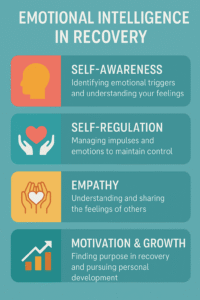
Emotional intelligence pops up regularly when talking about personal growth and healthy relationships, but its true power often shines during recovery from addiction. The patterns leading to addiction go deeper than just substances or behaviors; a big part centers on emotions and how we handle them. I find the link between emotional intelligence and addiction fascinating, especially when it comes to self-awareness and feeling management. These skills can make a significant difference in the recovery adventure. Let’s jump in and check out what emotional intelligence means for breaking free from the cycle of addiction, and how you can put it to work in real life.
What Emotional Intelligence Means and Why It Matters in Addiction
Emotional intelligence (or EI) is about recognizing, understanding, and managing feelings—both our own and those of others. In ordinary daily life, having EI makes it easier to communicate, make decisions, and control reactions when things get tough. For those dealing with addiction, EI has extra importance because intense emotions are usually woven into both the triggers for and responses to addictive patterns.
Research published in the Journal of Substance Use has shown that individuals with higher emotional intelligence use healthier coping strategies and may lower their risk of relapse. This goes beyond resisting impulse. It’s about being aware of what you feel, figuring out why you think it, and finding better responses rather than going back to substances or unhealthy routines.
From my talks with people in recovery, one of the main struggles isn’t simply staying away from substances. It’s about learning new ways to deal with anger, sadness, stress, or boredom. Emotional intelligence helps fill that gap, offering fresh tools that make a difference in recovery.
Everyday Struggles Linking Emotional Intelligence and Addiction
The relationship between emotional intelligence and addiction can get pretty complicated, but specific patterns show up repeatedly:
- Unidentified emotions: Many people in addiction’s grip can’t name or sort out what they’re feeling, which can send them toward unhealthy coping methods.
- Tough self-regulation: Even with some sense of feeling bad, managing those feelings doesn’t come easily. When EI is lower, it’s more likely that impulsive reactions win, making substance use extra tempting.
- Poor stress tolerance: Stress and addiction easily go together. EI can build resilience so that stress doesn’t always set off a relapse.
- Empathy challenges: Addiction may damage relationships because reading or reacting to others’ feelings gets difficult, causing more isolation.
Understanding these struggles becomes a stepping stone for progress. If you’re freshly sober or supporting someone in recovery, these challenges might hit close to home—but they’re definitely workable over time.
How Awareness Helps Break the Cycle of Addiction
Awareness, a central piece of emotional intelligence, gives you pause—a chance to pick a positive response instead of falling back on old habits. Building this kind of self-awareness isn’t just about being “mindful.” It’s catching yourself before drifting toward numbing out with substances or habitual behaviors.
Here’s how emotional intelligence can break the cycle of addiction:
- Spotting triggers: If you know what stirs up your urges (emotionally and in the world around you), you can plan for them. Maybe anxiety shows up in social pressure or old hangouts stir up tough memories. Higher EI makes those patterns clearer, and planning becomes easier.
- Healthier coping skills: Rather than escaping tough feelings with a drink or fix, EI gives you other options—call a friend, take a walk, or let yourself feel discomfort for a few minutes instead of panicking.
- Stronger communication: Growing your emotional intelligence helps you open up hard conversations, whether with family, friends, or therapists. Each practice in expressing yourself means you’re less reliant on old crutches for relief.
- Resilience in challenging moments: EI helps you bounce back, even when stumbles happen. Instead of spiraling, you’ll likely reach out for support or tweak your recovery plan.
Some recovery programs include emotional intelligence training in group sessions. This fits the “whole person” approach, which addresses the substance and what’s happening inside emotionally.
Steps to Grow Emotional Intelligence in Recovery
Boosting emotional intelligence isn’t the same for everyone. But here are a few steps that consistently help, whether you’re in early recovery or working on long-term wellness:
- Journaling and reflection: Writing out thoughts and emotions—even if it’s just a couple lines each day—can bring patterns to light. You’ll find it easier to spot tough spots and progress if you stick with them. A quick voice memo does the trick if writing isn’t your style.
- Pause before reacting: Taking a short break, maybe just a few deep breaths, before responding to triggers helps build self-control. Some people use elastic bands as reminders, while others repeat grounding phrases or count in their heads.
- Grow your emotional vocabulary: Getting specific about your feelings (“worried,” “lonely,” “overwhelmed”) makes emotions less scary. Tools like feeling charts and emotion apps offer extra backup.
- Seek feedback from trusted people: Getting an outside perspective—maybe from a friend or mentor—can help you spot blind spots and encourage small steps forward.
- Practice mindfulness and relaxation: Mindfulness is just noticing without a rush to judge. Even a couple of minutes a day or a short, guided meditation online helps. Yoga or breathing exercises can be great additions, too.
Don’t try to change everything at once. Pick one or two of these skills. Improvement in one area usually makes progress elsewhere easier, too. Every step adds up to a stronger, longer-lasting recovery.
Practical Challenges and How to Handle Them
No addiction recovery adventure is free of setbacks. Here’s how to tackle a few of the biggest hurdles, based on what I’ve seen and experienced:
- Feeling like progress is slow: Building emotional intelligence, like staying sober, takes time. Snags and slips are typical. Celebrate each small win—they matter more than you think.
- Tough emotions can be overwhelming. Some feelings hurt or seem too big. Support groups, a therapist, or anonymous help (like SAMHSA’s hotline) offer a safe space when you need it most.
- Triggers everywhere: Sometimes, reminders of old habits are hard to escape. Setting boundaries, leaning on grounding skills, or even stepping outside for a breather can interrupt automatic responses before they take hold.
- Fighting off loneliness: Recovery often brings feelings of isolation. Try reaching out to online communities or local groups. With time, connecting helps break that sense of disconnection.
Working through these bumps makes building emotional intelligence feel even sweeter. Setbacks don’t mean failure; they’re just part of getting stronger.
Real-Life Examples: Emotional Intelligence in Action
Increasing emotional intelligence can have real, noticeable effects for people in recovery. For example, I once saw someone in group therapy realize their after-work anger wasn’t about work at all, but about feeling undervalued. Instead of picking up a drink, they went for a run or reached out to a friend. Another person used a daily mood chart to track feelings and triggers, making relapses less frequent and responses to urges stronger over time.
Even with the stigma around addiction, focusing on emotional intelligence adds a valuable tool to the toolkit. Being curious about triggers and examining the feelings beneath the surface opens up new ways to break free from old patterns—step by step.
Frequently Asked Questions
Here are the questions I hear most often when discussing emotional intelligence with people in recovery:
Question: Can anyone really grow their emotional intelligence during recovery?
Answer: Absolutely. Emotional intelligence isn’t set in stone—it’s like a stronger muscle the more you use it. Anyone can develop it over time, even if progress isn’t always straight upward.
Question: Will I find emotional intelligence training in most recovery programs?
Answer: Some programs include it, some don’t. Look for it in group therapies, 12-step programs, SMART Recovery, or mindfulness-based groups. You can also use free resources to get started solo.
Question: What’s a simple way to build emotional intelligence today?
Answer: Try a check-in. Pause once or twice daily and ask yourself, “What am I feeling right now?” Please write it down and share it with someone. The habit alone will get your EI muscles working.
Building Real Change with Emotional Intelligence
Increasing emotional intelligence can be transformative during recovery. The process gets messy and sometimes feels slow, but each move toward understanding and handling your emotions gives you new options beyond old habits. Anyone can work on these skills; eventually, recovery feels like something you can keep moving forward with.
Emotional intelligence helps make life less overwhelming, strengthens relationships, and gives new paths to explore parts of life that addiction once smothered. If you want more support, check out resources such as Psychology Today’s Emotional Intelligence Guide or your local health center to get started.
Video: Is Emotional Intelligence the Secret to Long-Term Recovery Success?