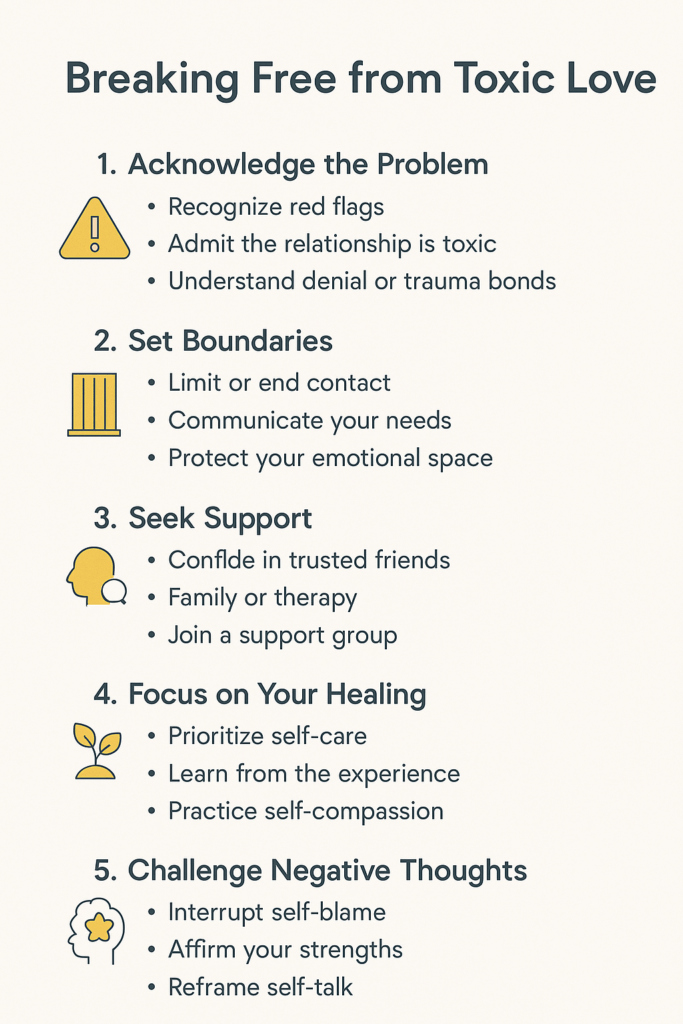
Toxic love can feel like a cycle that’s hard to step away from. I’ve been down that road myself, and the chaos and emotional highs and lows can be just as addictive as any substance. Choosing “sobriety” from toxic relationships means rewiring old patterns, relearning self-worth, and building healthier connections. Here’s my take on how to clear out the mess left by these kinds of relationships and start finding real peace again.
The Impact of Toxic Love: What It Really Means
Toxic love isn’t just a dramatic breakup story. It’s a pattern where things get tangled up in control, jealousy, or always coming second to someone else’s needs. This type of relationship might leave you feeling drained, anxious, or even stuck using drama as a substitute for genuine closeness. It’s pretty standard to mistake intensity for connection, especially if old wounds or habits are at play.
Statistics on toxic relationships are hard to put a number on, but there’s no shortage of stories out there about emotional rollercoasters, burnout, and cycles of hope and disappointment. If your relationship has left you feeling like you’re losing yourself, or you’re always hoping things will get better, you’re not alone. Many people find themselves here before they realize it’s time for real change.
Recognizing the Signs You Need a Detox
Breaking free from toxic love starts with naming what’s actually going on. Some common signs I had to watch for in my own life included:
- Constant Anxiety: Always worrying about where you stand or dreading the following argument.
- Emotional Exhaustion: Walking away feeling more drained than fulfilled.
- Loss of Self: Putting your own needs, friends, and goals on the back burner.
- Cycles of Drama: Highs and lows start to feel normal, even though they aren’t healthy.
Recognizing that something needs to change is a big first step. It’s not about blaming yourself. It’s about choosing to move toward something better.
Steps to Begin Your Adventure to Sobriety
Healing from toxic love isn’t about finding someone new to replace your ex or running from the pain. It’s about making better choices for yourself, one day at a time. Here are some actionable steps I found helpful:
- Cut Ties, at least for a While: Going no-contact or limiting communication helps break those addictive cycles of hoping and disappointment.
- Build a Support Network: Friends, family, or support groups who get it can make all the difference. If you feel alone, online forums or therapy are worth checking out.
- Learn About Attachment Styles: Understanding your own patterns in love gives you power. There are excellent resources, such as the book “Attached” by Amir Levine, that explain why you might be drawn to certain types of partners.
- Practice Self-care Daily: Simple routines like exercise, journaling, or meditation can help you build a new, healthier “normal.”
- Work on Forgiveness: Not just for your ex, but for yourself too. Almost everyone gets caught in toxic love at some point. Moving forward means being kind to yourself about it.
If you’re still unsure about where you stand, it can also help to get input from a trusted counselor or mentor. Writing down your feelings about the relationship, what you want, and what hasn’t been working can help bring clarity during confusing times.
Challenges You Might Hit Along the Way
Getting free of toxic patterns isn’t quick or easy. Here are some common hurdles I had to deal with (and you might, too):
- Withdrawal Feelings: Like with more traditional addictions, you might crave the drama or feel empty without it. It gets better, but those first weeks can be rough.
- Losing Mutual Friends: Sometimes a breakup means some friends fade away, too. Reaching out and building new connections is really important here.
- Questioning Self-Worth: Toxic relationships can leave your confidence in pieces. Self-compassion exercises and therapy can make a big difference.
- Old Habits Sneaking In: It’s tempting to “just check” their social or send a late-night text. Putting barriers in place, like blocking numbers or deleting old messages, really helps.
Withdrawal from Emotional Drama
The absence of drama can sometimes feel unsettling just because it’s unfamiliar. The body and mind can actually get conditioned to expect those emotional highs and lows. Watching for triggers and talking to someone trusted about these feelings helps break that cycle.
Managing these feelings might mean spending more time on hobbies or routines that don’t involve intense emotions. Small things like cooking, walking, or creating art can rebuild your sense of who you are outside of a messy relationship.
Loss and Loneliness
Even if the love was toxic, loneliness after leaving can hit hard. Building a life with new hobbies, volunteering, or even adopting a pet has brought me a lot of comfort during these stretches. Creating a safe home environment and reaching out to old friends gives you hope for future connections, even if it’s just a little at a time.
Self-doubt
Doubting your ability to live without the drama is super common. I kept a daily journal of tiny accomplishments. Just seeing progress, even if it was just getting out for a walk, gave me more confidence over time.
Building Healthy Love Habits
Moving past toxic love isn’t just about what you’re walking away from. It’s about what you’re moving toward. Here’s what’s helped me replace old patterns with healthier ones:
- Clear Boundaries: Saying “no” without guilt builds trust in yourself.
- Slow, Steady Dating: If you date again, taking things slow helps you spot red flags before getting reeled in.
- Focus on Reciprocity: Real love feels mutual, not one person giving and the other taking all the time.
Learning what healthy affection looks like might not come naturally at first, especially if past relationships set a different example. Therapy, books, podcasts, and conversations with healthy couples can give you new ways to see what love can look like when it’s free from chaos.
Examples of New Love Habits
- Regular Check-Ins with Yourself: Asking, “Do I feel respected and cared for?” in new relationships keeps you grounded.
- Setting Communication Standards: Honest text or call habits, and asking for space when needed, can stop drama before it starts.
- Celebrating Progress: Every month of healthy habits is worth recognizing; even small milestones count.
Other practical techniques include setting up “me time” each week, maintaining contact with supporters, and keeping healthy routines, such as sleep and exercise, consistent. These new habits become the building blocks for long-term peace and self-worth.
Frequently Asked Questions
Lots of people have questions when they’re thinking about detoxing from toxic love. Here are some of the most common ones I’ve heard, and had myself:
Question: How can I tell if my relationship is toxic or just “going through a rough patch”?
Answer: If you’re consistently feeling drained, walking on eggshells, or compromising your values, it’s a red flag. All relationships hit bumps, but if unhealthy behaviors keep popping up, it’s probably more than a phase.
Question: Is it normal to miss a toxic partner?
Answer: Completely normal! The highs and lows can be addictive, and the good moments can make you question whether to leave. It’s okay to miss them. Just don’t let that feeling erase the reasons you left.
Question: How long does it take to get over a toxic relationship?
Answer: The timeline is different for everyone. Some people feel lighter within a few weeks, and others need months or longer. Consistent support and healthy routines can speed up the process, but healing takes time.
Question: How do I avoid repeating toxic patterns?
Answer: Therapy, journaling, and learning about attachment styles really help. Regular self-reflection and seeking honest feedback from trusted friends can also help steer you away from old patterns.
How Life Changes When You Break the Cycle
Detoxing from toxic love isn’t only about heartbreak. It’s about starting a totally new chapter with better habits and more honest connections. Some changes I’ve noticed since making these switches include:
- More emotional stability with no more rollercoasters every week.
- Real self-confidence that isn’t dependent on someone else’s approval.
- Friendships and connections that lift me rather than drag me down.
- A sense of freedom; free time and energy for hobbies, travel, or just relaxing without drama.
Resources like Psychology Today offer more insight and exercises on how to build a life after toxicity. Personal growth podcasts and books, as well as online community forums, can make it easier not just to heal but also to thrive. By sticking with these habits, you can create a future full of genuine, healthy connections—and rediscover a sense of peace and self-worth that lasts.
Video: Why toxic love is so hard to escape #psychology #breakup