Heart valve damage from drug use is something a lot of people overlook, but it’s actually a pretty serious topic. Drugs, especially certain prescription medications or illicit substances, can really take a toll on your heart, sometimes leaving you with permanent valve issues. Since your heart’s valves act as the traffic controllers for your blood flow, any damage here can throw your body way out of balance. Here’s a clearer picture of what you should know about how drug use might affect your heart valves, the signs to keep watch for, and what you can do to lower your risk.
Understanding Heart Valves and How Drugs Can Affect Them
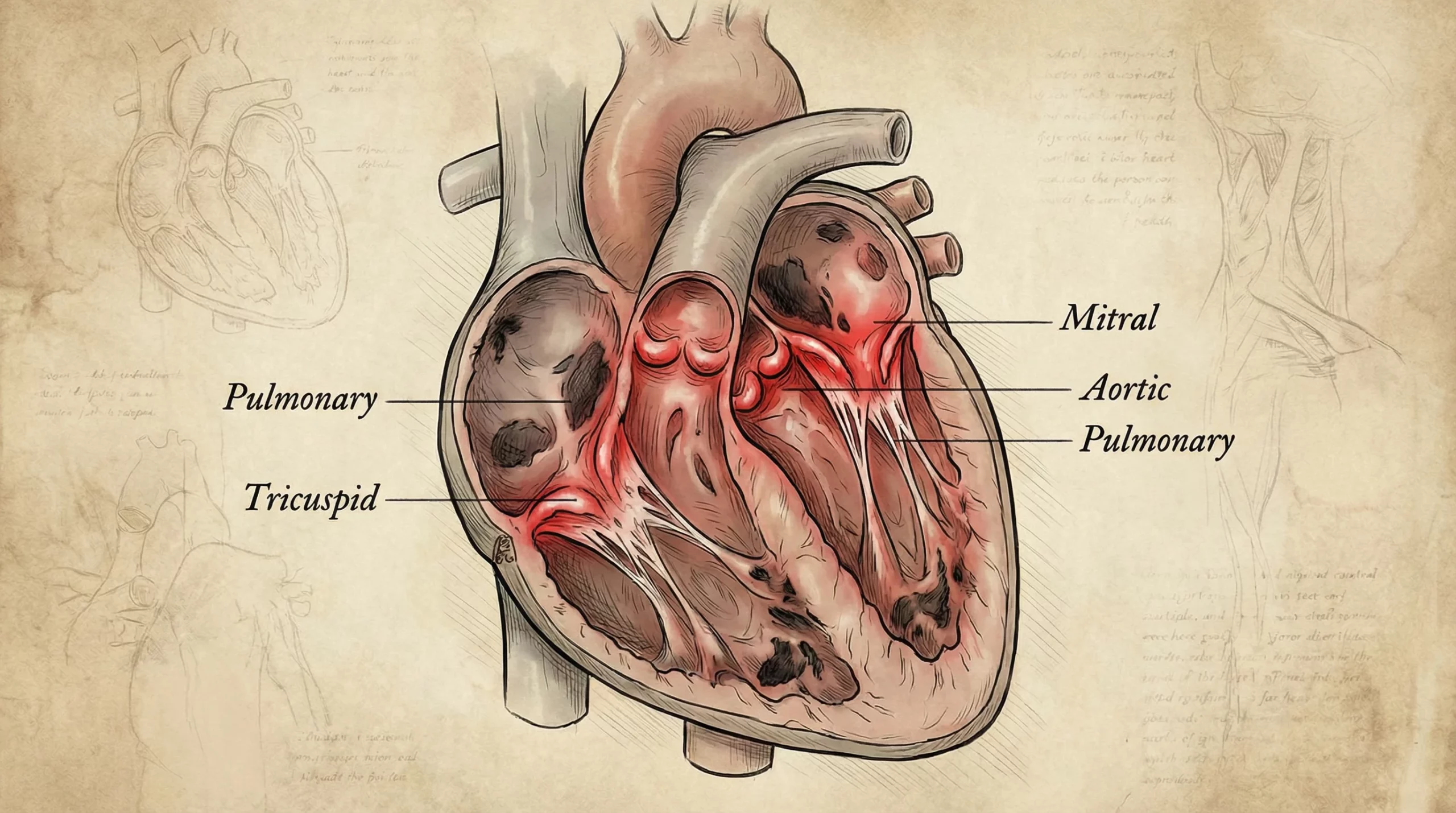
Your heart has four main valves: the mitral, tricuspid, aortic, and pulmonary valves. Their job is to keep blood moving smoothly in one direction. When drugs damage these valves, things can get messy fast. Instead of blood flowing cleanly, it might leak back where it shouldn’t (regurgitation) or not flow enough (stenosis).
Drug-induced heart valve problems aren’t super common, but when they happen, they’re pretty tough. Some drugs can cause inflammation, scar tissue, or even create thickening of the valve leaflets, making it hard for the valves to open and close. This can set off a chain reaction that stresses your whole cardiovascular system.
The connection between drugs and heart valve damage first got attention in the 1960s with certain diet pills, and then appeared again with the fen-phen weight loss combo in the 1990s. Since then, more people (and researchers) have tracked down links between different drugs and valve trouble, making it an essential topic for anyone using these substances.
Types of Drugs That Can Damage Heart Valves
Not all drugs put your heart at risk, but some have been significant concerns. Here’s a list of substances commonly linked to valve damage:
- Appetite Suppressants: Medications like fenfluramine and phentermine are known for causing mitral and aortic valve damage over time by thickening the valves.
- Ergot Alkaloids: Drugs such as ergotamine (often used for migraines) have been associated with valve fibrosis, which makes valves stiffer and less able to function correctly.
- Parkinson’s Medications: Some drugs for Parkinson’s, especially those that affect serotonin, have rarely been tied to valve injury in some people.
- Illicit Drugs: Cocaine, Methamphetamine: These stimulants raise blood pressure and can create inflammation or sometimes direct trauma to valve tissue.
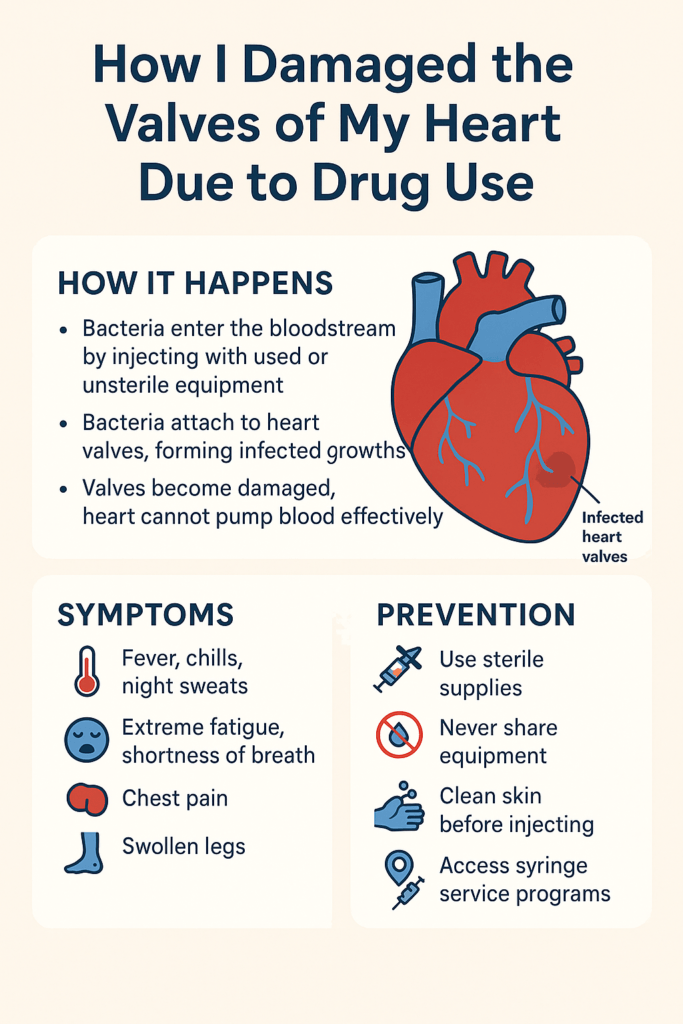
- Intravenous Drug Use: Sharing needles can introduce bacteria into your bloodstream, putting users at risk for infective endocarditis, which can seriously damage your heart valves.
It’s not just prescription or street drugs either. Even natural supplements or over-the-counter meds (when misused or paired with other substances) can sometimes create hidden risks for your heart valves.
Early Signs and Symptoms of Heart Valve Damage
Most valve trouble sneaks up gradually, so it’s super important to stay sharp if you have a history of drug use. Watch out for these common red flags:
- Shortness of breath, especially when lying down or after mild activity
- Swelling in the ankles, feet, or belly
- Rapid, skipped, or pounding heartbeats
- Unusual fatigue or weakness
- Chest discomfort
- Lightheadedness or fainting spells
If you spot any of these signs, talking with a healthcare professional is a good idea, especially if you use (or have used) any of the drugs listed above. It’s better to ask and check in early than to wait until symptoms worsen.
How Drug-Related Heart Valve Damage Is Diagnosed
Diagnosing valve damage starts with a good medical history and a physical exam. If a provider hears a murmur or notices worrisome symptoms, they’ll usually recommend some tests:
- Echocardiogram: This painless scan uses sound waves to assess your heart valves and how well they’re working.
- Electrocardiogram (ECG): Measures the heart’s electrical signals and finds rhythm issues.
- Chest X-ray: Shows heart size and looks for fluid in the lungs.
- Blood Tests: Rule out infections and check overall health.
Sometimes, additional tests such as cardiac MRI or catheterization are performed if things are still unclear. All these tools help your doctor spot exactly what’s happening and which valve (or valves) need attention.
For some people, genetic factors or coexisting medical conditions may increase the likelihood of valve problems. Being open about your drug history and other risk factors really helps medical teams give accurate advice and step up early treatment if you ever need it.
Prevention and Risk Reduction
Prevention is absolutely key to protecting your heart valves. Limiting or avoiding substances linked to valve damage is the best way to keep your heart safe. Here are some practical steps that make a difference:
- Always follow your doctor’s advice and only use prescription meds as directed.
- Stay cautious with street drugs or mixing multiple substances—including “natural” supplements.
- If you use injectable drugs, harm reduction services like needle-exchange programs help lower the chances of bacterial endocarditis.
- Get regular checkups if you have a history of drug use, even if you’re feeling okay.
- Be on the lookout for drug recall alerts and double-check with your pharmacist about medication updates (FDA Drug Safety).
Remember, risk reduction is all about keeping your body functioning at its best, no matter your starting point. Taking steps today can help you avoid big problems down the road.
Treatment Options for Damaged Heart Valves Due to Drug Use
Treatment depends on the extent of damage and your overall health. Sometimes, when the damage is mild, close monitoring and lifestyle changes are enough. More serious cases need medications or even surgery. Here’s what treatment might involve:
- Medications: Drugs to control blood pressure, help your heart pump better, or stop fluid from building up.
- Antibiotics: If infection (infective endocarditis) is the culprit, long courses of IV antibiotics are needed.
- Valve Repair or Replacement: In severe cases, surgery may be required to repair a damaged valve or replace it with a new one (mechanical or biological).
Recovery after surgery or central infections takes patience, rehab, and support. If you’re also on a recovery path from substance use, staying honest with your care team is essential. They can smooth the way for a stronger recovery and better health outcomes.
Everyday Life and Living with Heart Valve Damage
Getting news of heart valve problems means some changes to daily habits. Thankfully, minor adjustments can control symptoms and let you lead a whole life:
- Pace your activities to avoid feeling overtired. Rest when you need it.
- Cut down or quit heavy alcohol use and be open with your doctor about new supplements or over-the-counter remedies.
- Stick to medications as prescribed and chat with your cardiologist before making any changes.
- Many folks find that eating a balanced, healthy diet and staying active at their own pace really gives them a boost in how they feel.
Better still, the American Heart Association offers excellent resources for heart-healthy living, recipes, exercise ideas, and personal stories from others in similar situations.
Questions People Often Ask About Drug-Related Heart Valve Problems
Here are a few topics that usually come up:
Question: Can heart valve damage from drugs heal on its own?
Answer: Some heart valve injuries—especially scarring or thickening—don’t go away naturally, but mild inflammation can improve if the problem drug is stopped quickly. Early medical advice makes all the difference.
Question: Are all types of drug use risky for my heart valves?
Answer: Most drugs don’t impact heart valves, but it’s tough to tell what’s risk-free without checking in with your doctor. Medications that affect serotonin pathways or those that are powerful stimulants are the main ones you’ll want to talk about if you’re concerned.
Question: Is it possible to prevent valve disease if I’ve used drugs in the past?
Answer: Even if you’ve had some exposure, avoiding further risky substances, scheduling regular checkups, and keeping up a healthy routine really give your heart a better chance in the future.
Looking Ahead: Protecting Your Heart Health
Awareness of drug-triggered heart valve damage is spreading, with both medical professionals and the public learning more each year. Ongoing research is digging into why certain people are more vulnerable—and what early warning signs to look out for. If you’re curious about your heart health or have questions, talking with your healthcare provider honestly matters. No topic is too small, and staying informed can make a world of difference.
With smarter medication choices, consistent medical care, and more mindful habits, your heart can keep performing well and sidestep many avoidable issues. Heart-healthy living and reliable support systems go a long way for anyone with a history of drug-related valve problems, helping you protect your heart and your overall well-being for years to come.
Video: How Injection Drug Use Damages Heart Valves #medical #awareness