Cytisinicline is getting a lot of attention these days in the world of nicotine cessation therapy. If you’re looking for help quitting smoking or other tobacco use, you might have come across cytisinicline as a potential option. There’s plenty of info out there, so I’m going to walk you through what cytisinicline is, how it works, what to keep in mind, and a few extra tips to help you make the best decision for your quit adventure.
What Is Cytisinicline and Why Is It Getting Popular?
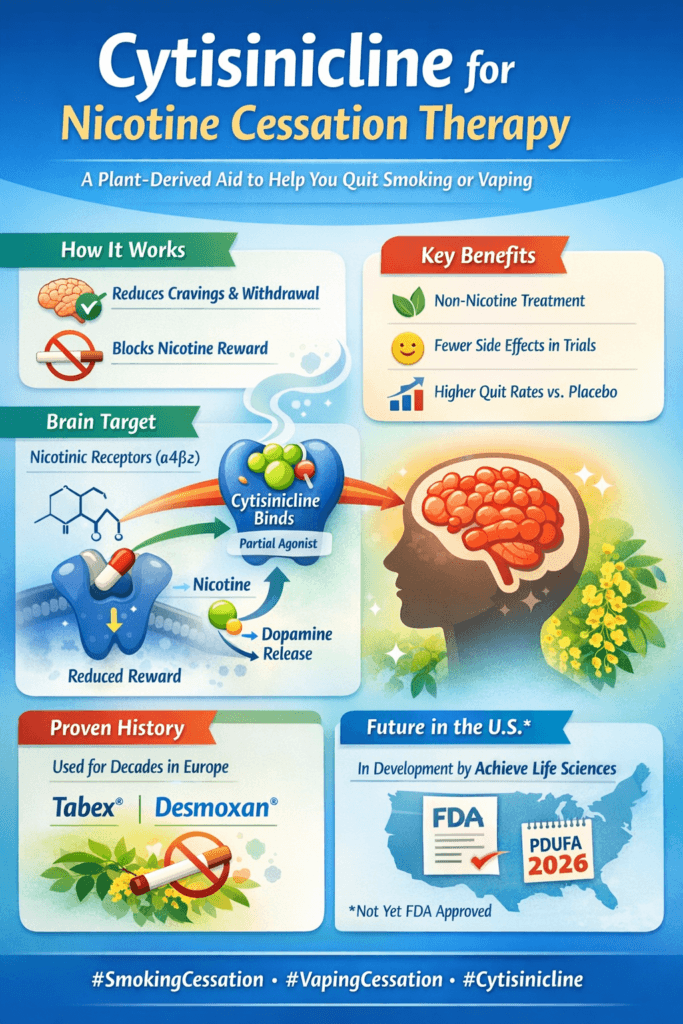
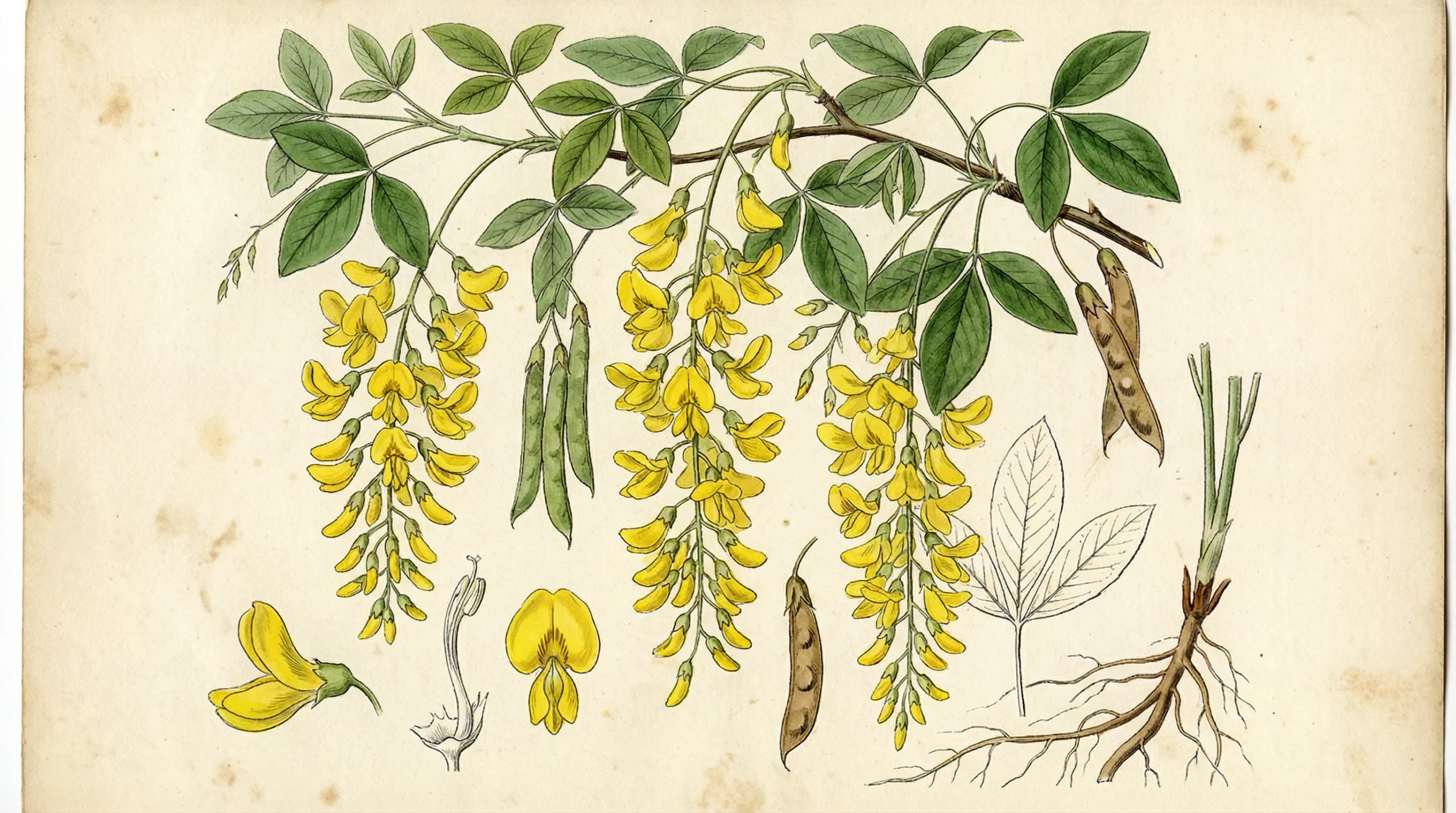
Cytisinicline isn’t brand new, but it’s catching more interest lately thanks to new scientific studies and its potential as a smoking cessation aid. Cytisinicline is a natural compound found mainly in the seeds of the Laburnum anagyroides (Golden Rain tree). The chemical (also known as cytisine) works in the brain to help reduce withdrawal from nicotine and curb cravings.
Cytisinicline has been used in Eastern Europe for decades as an over-the-counter quitting aid. In recent years, researchers in other countries have started testing it for wider use. It’s now seen as a possible alternative to medications like varenicline (Chantix) or bupropion (Zyban).
The science behind cytisinicline centers on its action as a partial agonist at the nicotinic acetylcholine receptor, the same site where nicotine binds. By acting in a similar way to nicotine, but not producing the same full effect, cytisinicline helps ease symptoms that make quitting smoking tough. Pretty handy if you’re dealing with cravings or withdrawal headaches.
How Cytisinicline Works for Nicotine Addiction
The brain responds to nicotine by releasing dopamine, which is part of why smoking can feel addictive. When someone stops smoking, those dopamine cues drop off, making the process tough. Cytisinicline steps in by stimulating the same brain receptors as nicotine, but in a less intense way.
- Reduces withdrawal symptoms: When nicotine levels drop, the sudden change in brain chemistry can cause mood swings, irritability, and cravings. Cytisinicline helps to smooth out this transition.
- Lowers cravings: Because it partially activates nicotine receptors, cytisinicline can make cigarette cravings less intense and more manageable.
- Interrupts the smoking habit loop: Cytisinicline reduces the satisfaction you get from smoking, so lighting up becomes less rewarding. Over time, this helps break the cycle of addiction.
Several large studies, including ORCA-2 and TASC, have found that people using cytisinicline were more likely to quit smoking compared to those using a placebo. You can check out those clinical trials for more background (e.g., the New England Journal of Medicine ORCA-2 trial).
Getting Started with Cytisinicline Therapy
Trying cytisinicline for quitting tobacco usually means following a planned regimen. Doses often start high and then drop over the course of three to four weeks. The goal is to gradually ease off nicotine with minimal withdrawal. Here are the basics you’ll often see:
- Initial dose: The typical approach is to take cytisinicline every few hours for the first few days.
- Dose reduction: After about a week, the number of daily doses is gradually lowered.
- End of treatment: The course usually lasts 25-30 days, with the goal of quitting smoking completely by the end.
Some people use cytisinicline on its own, while others combine it with behavioral counseling or support groups for better results. Pairing the medication with self-help apps or resources increases your chances of quitting for good (see resources from Smokefree.gov).
Things to Think About Before Using Cytisinicline
Making the decision to use cytisinicline involves a few considerations. Here are some factors I recommend looking at:
- Side effects: Cytisinicline is generally well tolerated, but like every medication, there’s a chance of side effects. The most common ones include dry mouth, sleeplessness, upset stomach, or mild headache. These usually clear up after a few days.
- Medical history: Anyone with kidney or liver concerns, or underlying heart issues, should talk with their doctor first. If you’re pregnant, breastfeeding, or taking other medications, always consult a healthcare professional.
- Availability: Cytisinicline isn’t available everywhere. In the US, it’s still under review with the FDA (as of June 2024), but you can find it in parts of Europe and some other regions. Keeping up with local regulations helps make sure you’re getting legitimate treatment.
- Cost: Compared to varenicline, cytisinicline can be more affordable in places where it’s available over the counter. However, prices and insurance coverage will vary by location.
Who Should Consider Cytisinicline?
Cytisinicline is most promising for people looking for a non-nicotine-based therapy or those who have tried other quit aids without success. Since it works similarly to varenicline but with fewer reported side effects, it’s worth checking out if past medications gave you trouble. It’s also appealing to folks who prefer a plant-derived option over other pharmaceuticals.
Who Should Wait or Skip Cytisinicline?
If you’re under 18, pregnant, nursing, or dealing with certain medical issues (like advanced kidney or liver problems), most doctors will suggest holding off. Careful research helps users make informed decisions, so always check with your healthcare provider before starting any new quit program.
How Cytisinicline Stacks Up Against Other Quit Smoking Therapies
There are a few main options available for nicotine cessation, each with its strengths and quirks. Here’s a quick look at how cytisinicline compares:
- NRT (Nicotine Replacement Therapy): Includes patches, gums, lozenges, and sprays that deliver low levels of nicotine to help reduce cravings. You still get nicotine, just in a safer way than smoking.
- Bupropion (Zyban): A prescription pill that helps with mood and withdrawal effects but doesn’t involve nicotine. Known for occasional dry mouth and sleep troubles.
- Varenicline (Chantix): Works in a way very similar to cytisinicline by targeting brain receptors linked with nicotine. Some people experience vivid dreams or digestive upset with varenicline.
Cytisinicline offers many of the same benefits as varenicline but often with fewer or milder side effects. Plus, being plant-based, it has a slightly different appeal. Researchers are still exploring its long-term effectiveness, but early results are promising. Long-term follow-up data will shed even more light on its effectiveness over time, and ongoing studies are tracking how well cytisinicline supports quit rates after six months and one year.
Guidelines for Success Using Cytisinicline
Quitting smoking isn’t just about the medication; you also need a plan and patience. Here are some practical pointers for making the most of cytisinicline:
- Pick your quit date: Many cytisinicline regimens start with choosing a specific day to stop all tobacco use. Setting a date lets you mentally prepare and plan ahead.
- Build your support system: Let friends, family, or a support group know you’re trying to quit. Encouragement makes a difference, even if you prefer texting messages or tracking your progress online.
- Watch for triggers: Stay mindful of situations that make you want to smoke, like driving or hanging out with friends who smoke. Come up with easy ways to handle these moments, such as chewing gum or taking a walk.
- Stick to your routine: Consistency matters, so take cytisinicline on schedule and don’t double up if you forget a dose. Keeping a daily log is a good way to track how you’re doing and spot patterns. If you’re struggling to remember your doses, try setting phone alarms or keeping your cytisinicline somewhere visible—these little tricks help keep you on track.
Adding other healthy habits during your quit attempt can be beneficial. Try simple changes, like taking a short walk whenever a craving hits, drinking more water, or picking up an activity that keeps your hands busy. Small tweaks to your daily routine can help break the cycle of tobacco use.
Frequently Asked Questions About Cytisinicline for Quitting Smoking
Here are some quick answers to common questions I’ve heard from others looking into cytisinicline therapy:
Question: How long does cytisinicline therapy last?
Answer: Treatment often lasts around 25-30 days, with a step-down dosing schedule. Some people may benefit from a second round, but it’s best to discuss this with your healthcare provider.
Question: Can I use cytisinicline with nicotine patches or gum?
Answer: Clinical studies usually test cytisinicline on its own. Mixing it with other nicotine products isn’t standard practice, so talk with your doctor before combining therapies.
Question: What if I slip up and smoke during therapy?
Answer: A slip doesn’t mean you’ve failed. Stay on schedule and use it as a learning experience. Lots of people need several attempts before staying tobacco-free for good.
Question: Is cytisinicline safe?
Answer: Cytisinicline is generally considered safe, with very few serious side effects reported. Common temporary side effects include mild sleep trouble and dry mouth. If you notice anything unusual, check with your healthcare provider right away.
Real-World Tips for Using Cytisinicline in Your Quit Plan
I’ve seen it help people stay steady and focused, but the biggest wins happen when you make it part of a bigger plan. Here are a few real-life tips:
- Pair cytisinicline with a quit diary or smartphone app; writing things down keeps you accountable and shows your progress.
- Remind yourself why you’re quitting with daily notes or phone reminders—these little nudges help keep you motivated.
- If cravings hit hard, have a backup (like sugarless gum or deep breaths) ready, instead of reaching for a cigarette.
- Get involved with online forums, social media groups, or community meetups for quitting support. Sharing your experience and reading others’ victories and challenges is super encouraging. It can be comforting to realize you’re not going through this alone, and you might find clever coping strategies from people who are on the same ride.
Cytisinicline won’t magically make quitting easy. Still, it gives you a solid boost. Sticking with it and reaching out for extra support really does pay off for many people. It’s important to celebrate every milestone, whether it’s your first day smoke-free or managing a whole week. Little victories add up and build your confidence.
Wrapping up, cytisinicline is a promising, plant-based quit aid that’s drawing attention from researchers and people ready to stop smoking. While it’s not a cure-all, it fits well into a broader quit plan, especially when combined with supportive resources and determination. If you’ve tried other approaches and are looking for something new, cytisinicline may be worth asking about at your next check-up.
Video: How Cytisinicline Tricks Your Brain into Quitting #AddictionMedicine #HealthTips