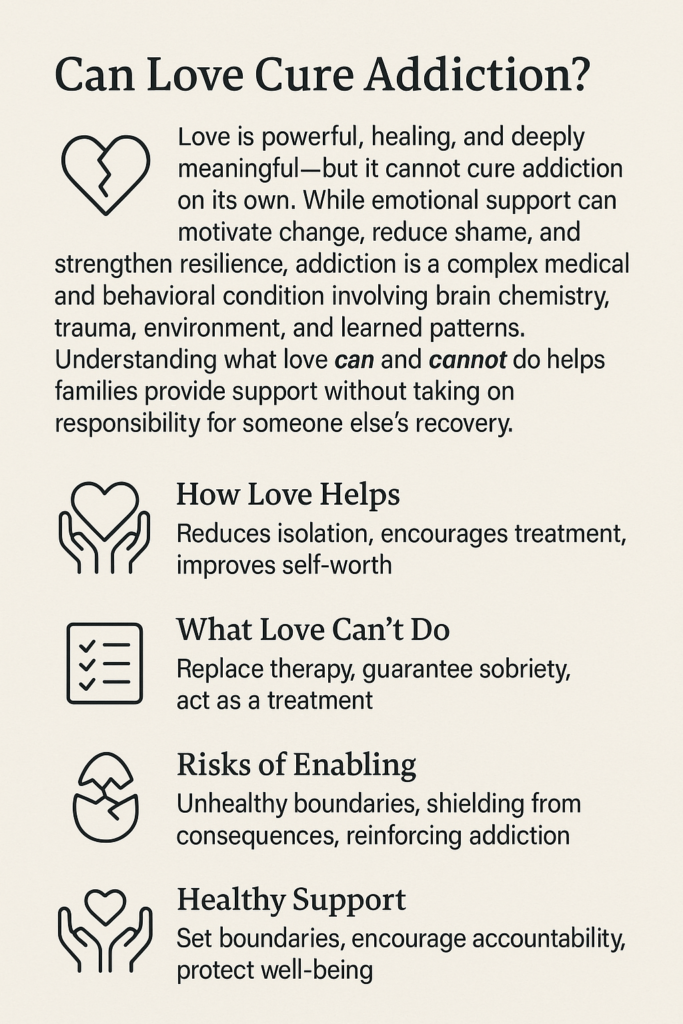
Love is often talked about as one of the most potent forces in life. Some believe love can heal almost anything—even struggles as tough as addiction. From my own perspective, watching friends rely sincerely on their relationships during recovery made me want to explore this idea even more. Can love truly change the direction of addiction, or are we expecting too much from it? As I sort through what really connects emotions and dependency, let’s dig a little deeper into this complex question.
The Relationship Between Love and Addiction
When people think of addiction, they usually imagine drugs or alcohol. But dependency comes in all sorts of forms, like gambling, gaming, shopping, food, or even social media. All these dependencies hook people by tapping into the brain’s reward system. Interestingly, that same reward system lights up when you’re in love or enjoying the company of someone close to you.
Scientists have found that both love and addiction send dopamine levels soaring. That’s the brain chemical that fires off feelings of pleasure and motivation. Given this overlap, some wonder whether loving relationships and deep emotional bonds can actually help someone recover. However, real-life recovery is rarely simple. A lot is happening under the surface—psychological patterns, physical cravings, trauma, and more—so it takes more than love alone to break the cycle.
Emotional Support and Recovery: How Love Plays Its Part
A strong support system during addiction recovery can feel like a lifeline. From what I’ve seen, those who have encouraging partners, understanding relatives, or loyal friends tend to stay on track with treatment and have more optimism. Love in these situations isn’t about “fixing” another person; it’s about providing a sense of belonging and safety, which is enormous for those battling shame or isolation.
When someone feels genuinely cared about, that support can act as primary motivation during tough times. Shared laughter and daily affection help fill the spaces that addiction once occupied. In many situations, these emotional connections offer a stability and routine that is key for people trying to stay sober. That boost from feeling loved sometimes gives people the edge they need to get through temptations and relapses.
- Reduced loneliness: Meaningful connections help break the cycle of isolation that addiction often brings.
- Encouragement and accountability: Loved ones can nudge someone toward making better choices without critiquing or shaming them.
- Hope for the future: Seeing yourself through another person’s caring perspective can build your sense of self-worth and drive.
Can Love Replace Addiction? Looking at the Science
The idea of replacing addiction with a healthy relationship sounds comforting, but it isn’t always possible. The brain tends to crave the substantial reward delivered by substances or addictive behaviors in ways that love on its own can’t fully satisfy. Starting a new romance might offer an exciting rush, but science shows that relying solely on romance during recovery can sometimes lead to co-dependency. In those cases, the relationship itself becomes stressful or unhelpful—even when both people have good intentions.
Medical professionals warn that while love can provide support, addiction recovery still demands treatment. Therapy, medication, support groups, and lifestyle changes all contribute. Love may inspire transformation and be a valuable part of someone’s story, but it doesn’t “cure” addiction in the magic way many may hope.
Love-Driven Recovery: Where It Matters Most
In certain situations, I’ve noticed love making a real difference, usually by helping someone feel seen and less alone. When a friend or partner is steady, patient, and understanding—showing up for challenging conversations and staying through setbacks—it often motivates progress. However, this kind of support should work alongside other recovery strategies. It can’t stand alone.
Potential Pitfalls: When Love Isn’t Enough
Sometimes, people begin believing they can “save” a loved one, or that their affection will be enough to heal someone. This usually ends up being exhausting and sometimes risky, putting both people in a vulnerable position. If a person’s happiness depends solely on the other’s recovery, it can spiral fast and create unhealthy patterns.
It’s important to notice when attachment becomes unhealthy or starts to enable addiction—like excusing destructive behavior or providing money that supports harmful habits. Real support means facing the truth, encouraging treatment, and sometimes stepping back so professionals can step in. I’ve seen that outside help is often what sparks real change.
- Red flags to spot: Trying to manage each other’s actions, feeling drained or hopeless, or keeping secrets about substance use.
- Healthier approach: Open up honest conversations, set boundaries, and point your loved one toward treatment.
Tools and Techniques That Truly Matter
There is no one-size-fits-all fix for addiction, but there are powerful strategies that work exceptionally well when paired with support from loving relationships:
- Structured care: Professional help, such as cognitive behavioral therapy or group sessions, targets the reasons behind dependency.
- Community groups: Twelve-step meetings or peer-led support for friends and family spark shared understanding and honest discussion.
- Self-care rituals: Regular exercise, good sleep, and fun hobbies help rebuild meaning and joy outside of addictive patterns.
- Clear boundaries: Setting respectful limits protects both the person recovering and those supporting them, reducing unnecessary stress.
Blending these tools with the emotional encouragement of love gives someone their best shot at long-term recovery. Love itself isn’t a miracle fix—but it makes sticking with tough changes much easier.
What to Keep in Mind with Love and Addiction Recovery
People in early recovery might place too much faith in the healing power of love alone. But reality calls for a balanced view:
- Love can’t take the place of treatment: Even the best connection can’t undo the change in the brain caused by long-term substance use.
- It’s healthy to ask for outside help: Partners and family members may need therapy or support groups to address their own challenges and avoid burnout.
- Consistent, steady love is best: Relationships based on patience and trust work better than ones marked by constant emotional highs and lows.
- Self-awareness is critical: Keeping tabs on your emotions and limits protects both the person in recovery and those offering support.
How to Help Without Losing Yourself
It’s essential to know the difference between being there for someone and losing your own grounding. Based on both research and personal experience, I’ve found that caring for someone recovering from addiction requires looking after your own mental health too. Setting limits, making time for yourself, and checking in with your own counselor are totally normal and often essential for your well-being.
Real Stories from the Recovery World
Many accounts from peer support groups such as Al-Anon and SMART Recovery show that unconditional support can be transformative. Still, these stories underscore that love alone is rarely enough. One member, for example, described how their partner’s constant encouragement kept them hopeful, but actual progress only came from regular meetings and structured therapy. Love helped, but a mix of resources brought lasting change.
Another theme: the people who grew the most didn’t hide their challenges. Openness—both with loved ones and professionals—mattered much more than trying to get by on love alone.
Frequently Asked Questions
Question: Can being in love help someone avoid relapse?
Answer: Support from people you care about can be really uplifting, especially in difficult moments. Still, keeping relapse at bay usually requires consistent habits, treatment, and proactive self-management.
Question: Is it wise to start a relationship while in early recovery?
Answer: Most experts suggest focusing on self-improvement and mental healing before jumping into a new romance. This approach lessens stress, lowers the odds for co-dependency, and gives everyone a chance to bring their best self forward.
Question: How important are families in recovery?
Answer: Families add accountability and hope, giving a sense of security. But boundaries help keep things healthy—sometimes even family counseling is worth considering.
Wrapping Up the Connection Between Love and Addiction
Love is powerful—it brings hope, breaks down isolation, and keeps people motivated. But calling it a “cure” for addiction doesn’t line up with the real challenges of recovery. Structured treatments, open conversation, and honest support from loved ones make up a solid path forward. Healthy love adds vital encouragement at every step.
If you’re supporting someone through addiction, or facing it yourself, don’t be afraid to reach out for professional guidance and to value genuine relationships. Following this balanced strategy is well worth it for the road ahead.
Video: Can Love Cure Addiction?