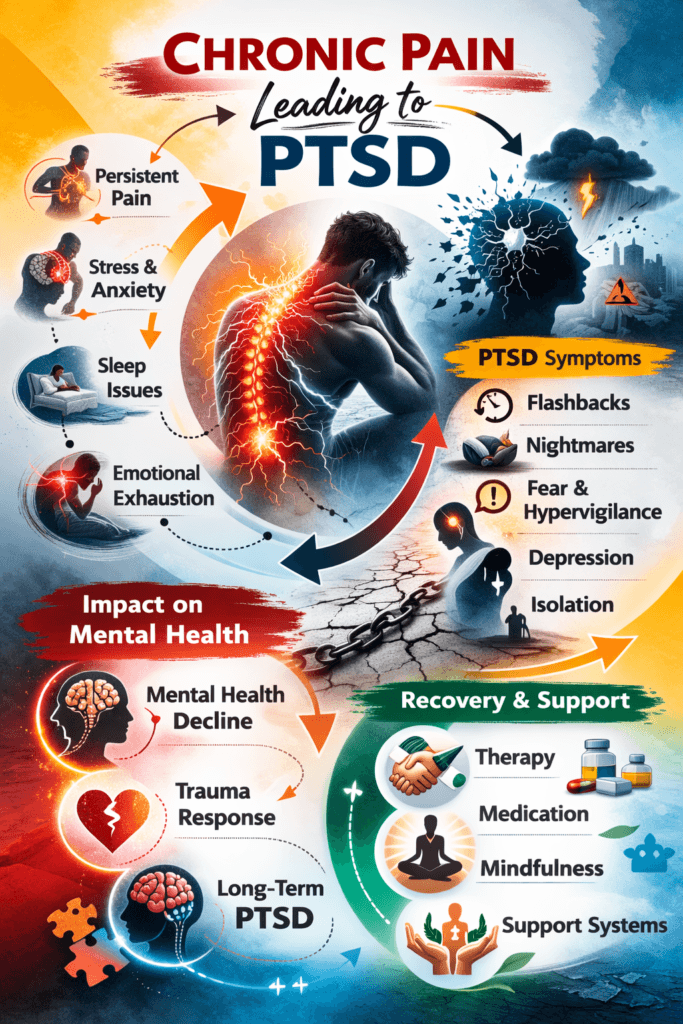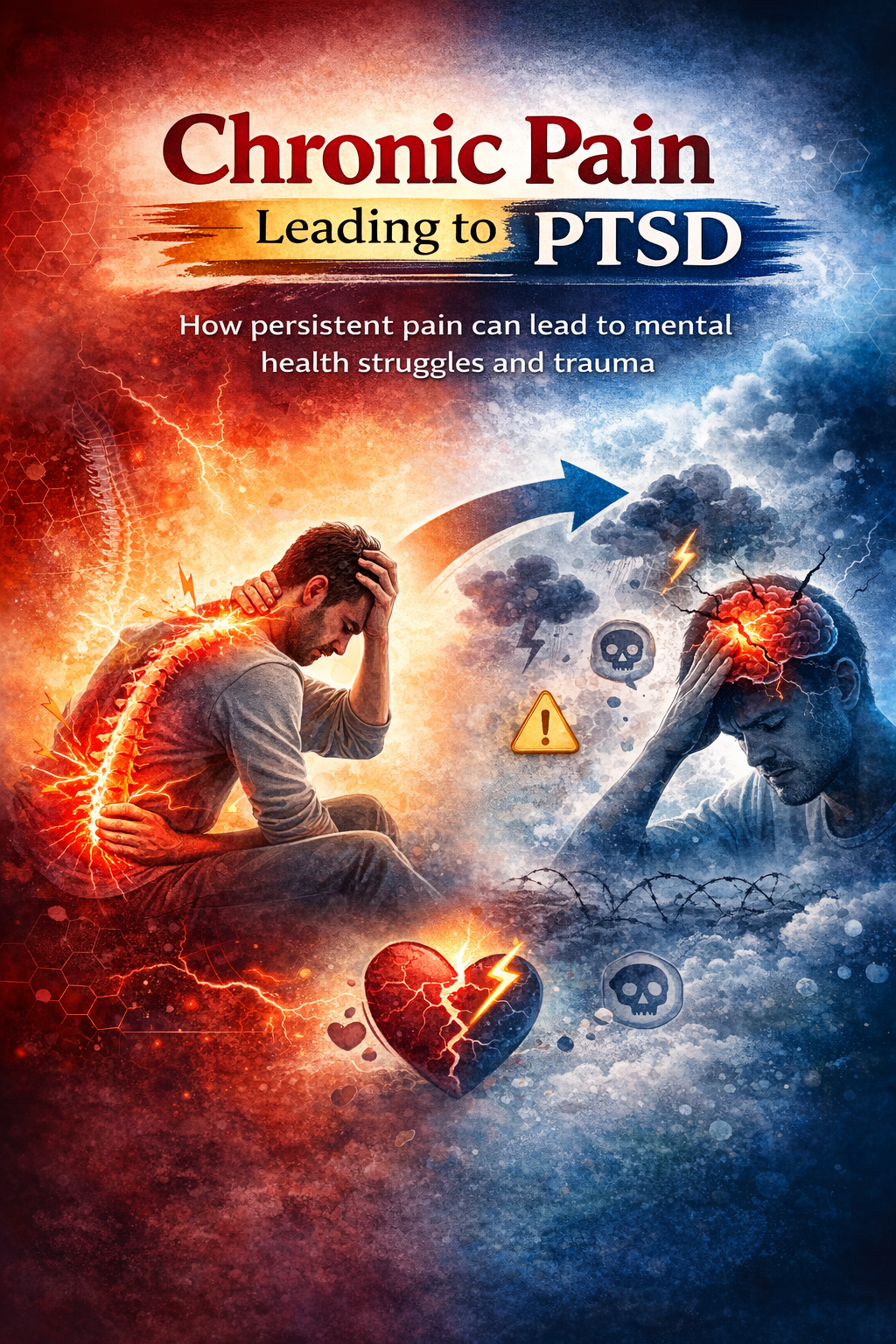
Chronic pain brings more than just physical challenges. Dealing with it day after day can affect how you think, feel, and live. Something I’ve learned while reading research and talking to people grappling with ongoing pain is that the impact often goes beyond just the aches; you can also spot patterns that look a lot like post-traumatic stress disorder, or PTSD.
Understanding Chronic Pain and PTSD
Chronic pain sticks around far longer than most people would expect from a typical injury or illness. Usually, pain is considered chronic if it lasts for three months or more. It doesn’t always have one clear root cause. Sometimes it’s part of conditions like arthritis or fibromyalgia, while other times it lingers after an injury has healed. The experience of pain isn’t just a physical sensation; there’s an ongoing mental and emotional strain too.
PTSD, on the other hand, is a mental health condition that tends to develop after experiencing or witnessing something very traumatic. Common symptoms include intrusive memories, nightmares, heightened anxiety, and avoidance of reminders that bring up distressing memories. When you look at chronic pain and PTSD side by side, some overlaps might not be obvious at first, but there really are some strong connections worth checking out.
Can Chronic Pain Really Lead to PTSD?
There’s a growing pile of research suggesting that living with chronic pain can sometimes trigger PTSD. This might surprise some people, since PTSD is usually associated with major accidents or violence, but chronic pain brings its own kind of trauma. It’s not about a single terrifying event; it’s the ongoing battle, the loss of control, the feeling that pain could strike at any moment, and the disruption to daily life.
Anyone dealing with severe pain may find themselves alert, anxious, and constantly worried about symptoms flaring up. This state of keeping an eye out is similar to what people with PTSD might feel after a traumatic event. Ongoing doctor visits, medical procedures, and dependency on medication sometimes make people feel re-traumatized, especially if they felt unsupported or dismissed by health professionals.
For some, painful medical treatments—even those meant to bring relief—can be traumatic in their own right. If these memories are strong or frightening enough, someone might have flashbacks or want to avoid doctors altogether, which starts to look a lot like PTSD.
Key Signs That Chronic Pain Is Taking a Psychological Toll
When pain isn’t just physical anymore, certain patterns start to show. Some things to watch for:
- Intrusive Thoughts: Thoughts about pain or painful experiences that pop up unexpectedly, almost like memories of past trauma.
- Anxiety and Fear: Always feeling on edge, especially if you’re worried the pain will ramp up without warning.
- Avoidance: Skipping activities, people, or even medical appointments because they remind you of pain or flare-ups.
- Emotional Numbness: Feeling disconnected from others or your surroundings, sometimes just to block out the stress.
- Nightmares: Dreaming about injuries, hospitals, or the pain itself.
Over time, these reactions can limit a person’s social life, mess with sleep, and damage mental health in ways that closely match PTSD.
How Trauma and Pain Change the Brain
Science shows there are real changes in the brain when someone deals with chronic pain or PTSD. Both conditions can keep the nervous system on “high alert,” leaving people sensitive not just to pain but to any threat or stress. Researchers have pointed out that the limbic system, which handles emotions and stress, is often heavily involved in both pain and PTSD.
This means that long-lasting pain can keep the body’s stress alarm ringing long after the original cause is gone. Over time, this cycle can really wear someone down and make physical sensations feel even worse. Chronic pain isn’t just about nerves and tissue; it’s also shaped by how the brain processes painful experiences.
What Different People Experience: Stories and Perspectives
I’ve come across stories of people who were seriously injured in accidents, hurt at work, or had tough surgeries. Many of them say their biggest struggle now isn’t just managing day-to-day pain; it’s also the fear of pain coming back or getting worse. Some talk about being so anxious about a pain flare-up that they start avoiding social invitations or travel altogether. It’s not uncommon to feel trapped in a cycle of worry, pain, and avoidance, which can bring up feelings similar to those who have experienced more traditional trauma.
This doesn’t mean everyone with chronic pain will develop PTSD, but it’s more common than many people realize. Research published in journals like Frontiers in Psychiatry and BMC Psychiatry shows a clear link between ongoing pain and PTSD symptoms, especially after events like accidents or surgeries.
Tips for Managing Pain and Reducing Trauma Symptoms
Treating chronic pain when PTSD is in play calls for a mix of strategies that address the body and the mind. Sometimes this means working with doctors and mental health providers who really get the overlap.
- Find Mental Health Support: Talking with a psychologist, therapist, or counselor who knows about trauma and chronic pain can be super helpful. Approaches like cognitive behavioral therapy (CBT) or EMDR (eye movement desensitization and reprocessing) have helped many people work through triggers and make pain easier to handle.
- Stay Active—Safely: Gentle movement, like walking, swimming, or light stretching, keeps your body healthy and gives your mind a break. There are even special programs designed for people with chronic pain or trauma backgrounds; worth checking out if you’re nervous about getting started.
- Create a Support Network: Reaching out to friends, family, or online support groups can be very helpful. Even sharing your story with others who “get it” can make you feel less alone.
- Try Mindfulness Techniques: Deep breathing, meditation, and mindfulness practices can lower anxiety and reduce the focus on pain, even just a little at a time.
- Don’t Skip Medical Care: Avoiding doctors because of past bad experiences can make things harder, so finding providers who listen and work with you really matters.
Managing both chronic pain and trauma is a process. You may need to try different therapies, schedule follow-ups, or use journals to track symptoms and triggers. Take time to notice which strategies work best for you and stay open to new ideas as you go.
Common Challenges When Chronic Pain and PTSD Collide
Dealing with both pain and trauma can make recovery feel twice as slow. Here are a few tough spots people run into:
- Stigma: Friends or even doctors might dismiss symptoms and say they’re “all in your head.” This judgment adds stress and discourages people from speaking up.
- Medication Concerns: Some folks worry about using prescribed painkillers if they have a trauma history, especially if they’re at risk for addiction. It’s important to have honest conversations with medical professionals about options and concerns.
- Isolation: It’s easy to pull away from social life because you don’t want to explain your pain or relive traumatic memories. That isolation can make symptoms worse over time.
- Relapses and Setbacks: Both pain and PTSD are known for good days and tough days. Setbacks are normal, so it’s helpful to plan for them in advance, so that when things get tough, you’ve got a few coping strategies up your sleeve.
Building a Long-Term Plan for Healing
Getting better—or at least feeling more at peace—takes time. Healing from trauma and managing pain are both long rides. Setting realistic goals, tracking what helps or makes things worse, and finding a specialist with experience in both pain and mental health can really move things forward. Many hospitals and pain clinics can refer you to mental health professionals or group therapy options focused on chronic illness and trauma recovery.
If you’re feeling stuck and unsure where to start, consider keeping a pain and mood diary or asking your doctor for a referral. Trying out a few support groups online or in person can also help, especially when you need tips and encouragement from others going through something similar. Even if complete freedom from symptoms isn’t possible, it’s often possible to find a better balance and hope for improvement.
Frequently Asked Questions
Can PTSD develop from pain alone, without a big traumatic event?
Yes, researchers are finding that chronic pain, especially after a medical trauma, accident, or invasive procedure, can be enough to trigger PTSD symptoms for some people, even if there wasn’t a single huge traumatic event.
Can medical procedures for chronic pain be traumatic?
Definitely. If a procedure was really painful, involved complications, or left you feeling unsupported, it can stick in your mind just like any other kind of trauma.
What are the signs I need to talk to a mental health professional about my pain?
If you keep reliving painful experiences, find yourself avoiding anything related to pain management, or if anxiety and sadness are starting to take over, that’s a good reason to check in with a therapist, counselor, or psychologist.
Understanding the Connection for Better Support
If you or someone you know is managing chronic pain and starting to spot signs of trauma, it’s worth getting the right support. Chronic pain doesn’t just sit quietly in the background; it often affects every part of life. Noticing the link between pain and trauma is one step to feeling more understood and finding new ways to cope. There’s help out there for those who want it, and checking in for support is always a good first step. Remember, healing is possible—sometimes small steps make the biggest difference.
Video: How Physical Pain Becomes Psychological Trauma #MentalHealth #PTSD