When I first learned what it meant for a baby to be born addicted to drugs, it struck me just how tough those early days can be for newborns and their families. This isn’t a super-rare situation anymore; it’s become much more common in recent years. Here’s a closer look at what happens when a baby is born dependent on drugs, what causes it, how hospitals help, and what long-term care might look like.
What Does It Mean for a Baby to Be Born Addicted to Drugs?
Babies born addicted to drugs are actually experiencing something called withdrawal. The medical term is “neonatal abstinence syndrome” (NAS). During pregnancy, if a mother uses certain substances, such as prescription opioids, heroin, methadone, or even some prescription medications, the baby’s body gets used to having those substances. Once the baby is born and separated from that drug supply, their body suddenly has to adjust. This can be a rough process.
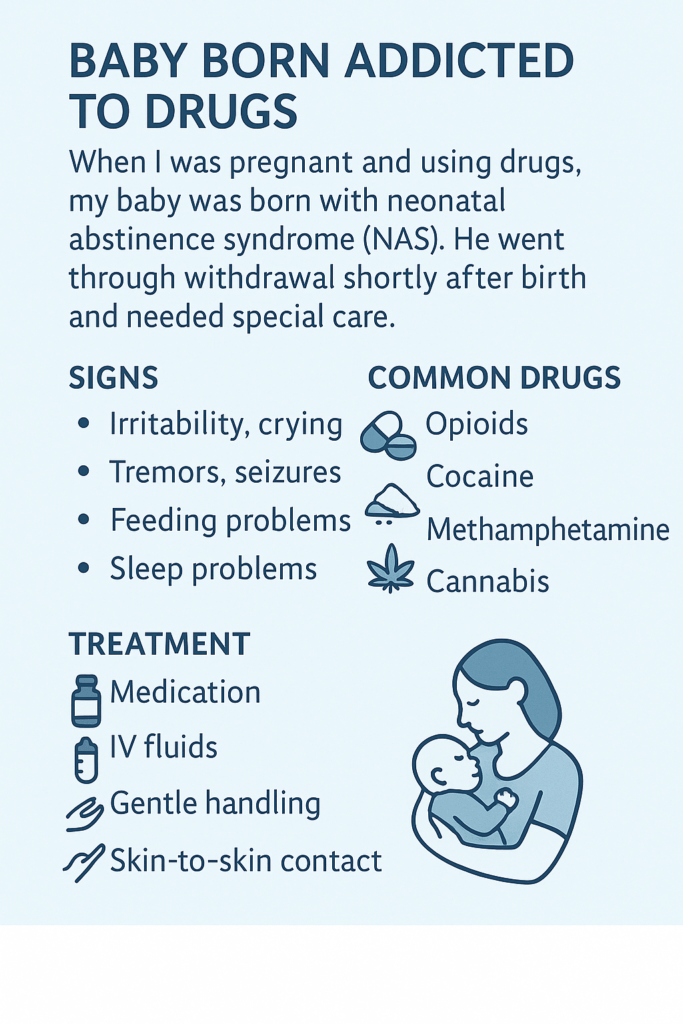
Doctors describe symptoms that make it pretty hard on these little ones. Some babies can be fussy, have a nonstop high-pitched cry, or have trouble feeding. Others may shake, have difficulty sleeping, or develop issues like vomiting and diarrhea. The severity of symptoms depends on what substances were involved and for how long.
How Common Is It and Why Is This Happening?
This isn’t just something you see in a news story. Cases of NAS have become more frequent in the last decade. According to the Centers for Disease Control and Prevention (CDC), the number of babies born with NAS in the United States has increased by over 400% in the past 15 years. Prescription painkillers, heroin, and even anti-anxiety medications can all contribute to this problem. With the opioid crisis, hospitals are seeing more newborns who need special attention right after birth.
When doctors go over risk factors, they look at more than just opioids. Other drugs, including stimulants and certain antidepressants, can also cause withdrawal. How substances are taken, the amounts used, and any other health problems the mother might have all play a part in how things go for the baby. Poverty, lack of access to prenatal care, and mental health challenges can also make these situations even more complex.
Recognizing Signs and Symptoms in Newborns
No two babies go through NAS in precisely the same way, but there are some typical signs you can expect to see. Here are a few symptoms most often noticed by doctors, nurses, and parents:
- Excessive crying: Babies may shriek or have a high-pitched, persistent cry.
- Trouble feeding: Difficulty sucking or latching, vomiting, or poor weight gain can appear early.
- Shakiness and tremors: Hands, legs, or body may shake more than expected.
- Trouble sleeping: It can be tough for these babies to settle down or stay asleep.
- Diarrhea and diaper rash: Stomach upset and loose stools make things more painful.
- Stuffy nose and sneezing: Babies might sneeze and yawn more than usual.
- Stiff muscles: The baby’s arms and legs may seem tight or tense when held.
Some babies start showing these symptoms within a day or two of birth, while others may not have issues until after they’re home from the hospital. That’s why doctors closely monitor infants at risk.
How Hospitals Care for Babies Born Addicted to Drugs
The first days after delivery can be stressful for everyone involved. Nurses and doctors in the newborn unit keep track of babies for signs of withdrawal using tools like the Finnegan scoring system, which lets them follow symptoms and choose the proper treatment.
Care usually starts with comfort strategies such as swaddling, holding the baby close, and feeding them on demand to help soothe the nervous system. A quiet, dimly lit room can make a surprising difference, allowing the baby to relax and recover. Gentle rocking and white noise playing may also help smooth the way.
If withdrawal symptoms are severe, babies might need medicine. Opioid withdrawal, for example, is sometimes managed with small doses of morphine or methadone that doctors slowly reduce over time. The idea is to help babies adjust gradually rather than go cold turkey. Throughout, feeding support, lots of skin-to-skin time, and keeping the baby safe and calm make a big difference. Extra attention to hydration and gentle handling can also help.
Key Things for Parents and Caregivers to Know
Bringing home a newborn with a history of NAS can feel overwhelming. The good news is that with proper support, many of these babies grow and develop well. Here’s what I’ve learned that parents might find helpful:
- Bonding matters: Holding, rocking, and skin-to-skin time help the baby feel safe and lower stress. This is reassuring for parents, too.
- Pace feeding: Small, frequent feeds can make it easier on a fussy baby who gets overwhelmed easily.
- Keep follow-up appointments: Regular check-ins with a pediatrician track growth, feeding, and development. Some babies may need extra speech or physical therapy as they get older.
- Ask for help: Social workers, visiting nurses, and community support groups offer practical advice, and you’re definitely not alone.
It’s always a good idea to be honest with doctors and nurses about any substance exposure during pregnancy. This helps them provide the best care and catch any problems early. There’s no judgment, just more substantial support for both baby and family.
Risks and Long-Term Outcomes
While many newborns with NAS can recover well, there are a few things parents and doctors watch for over time. Some babies may be at higher risk of issues like difficulty focusing or learning delays as they grow. These risks depend on the type of drugs used, the length of exposure, and other health factors.
It’s important to know that being born with NAS does not mean a child will always have serious problems. Lots of kids develop right on track, especially with regular medical care, a loving home environment, and early developmental support if needed. Programs like Early Intervention Services are designed to help identify delays early and get kids on track, and families can look into community resources for additional support.
Treatments, Support, and Everyday Tips
Helping a newborn through withdrawal is not something parents have to face alone. Medical teams, therapists, and support programs can make a real difference. Here are some helpful things to keep in mind if you’re caring for one of these little fighters:
- Safe sleep practices: Always place the baby on their back to sleep, on a firm mattress with no loose bedding, which lowers the risk of SIDS (sudden infant death syndrome).
- Keep checkups regular: These appointments help spot any hearing, vision, or developmental issues right away.
- Don’t blame yourself: Addiction can impact any family. Reaching out for help is the best thing for everyone.
- Try to stick to routines: Babies feel more secure when things like feeding and bedtime are predictable each day.
Having a team approach—pediatricians, nurses, social workers, and family—can ease the stress families sometimes feel. If needed, speech therapists, occupational therapists, or early intervention specialists are there for support. Emotional and mental health support for parents can be just as important, and many communities offer free or sliding-scale counseling services for families in need.
Frequently Asked Questions
These are some of the most frequently asked questions about newborns with NAS, along with answers that families often find helpful.
Question: How long does NAS last in a newborn?
Answer: Withdrawal symptoms can last from one week up to a few months, depending on what drugs were involved and how severe the symptoms are. Most babies start to improve with good care within the first month, although some may have mild symptoms for longer.
Question: Can babies outgrow the effects of withdrawal?
Answer: Yes, many babies do well with time and loving care. However, regular medical and developmental checkups help catch any lingering issues early and give kids the best support as they grow.
Question: Does breastfeeding help babies with NAS?
Answer: In many cases, yes. Breastfeeding can soothe babies and lessen withdrawal symptoms, especially if the mother is in a supervised treatment program. Always talk to your doctor to figure out the safest options for you and your baby.
Resources for Families and Where to Find Help
Families dealing with NAS don’t have to go it alone. Here are a few places that can help:
- CDC’s Neonatal Abstinence Syndrome page has helpful resources and info.
- Your local hospital’s social work department can connect you with nearby programs and support groups.
- SAMHSA’s National Helpline (1-800-662-HELP) gives confidential, free help for families dealing with substance use problems and can provide referrals to local support services.
- Parent support hotlines, early childhood programs, and even online forums offer a chance to connect with others who have had similar experiences and can share practical tips.
Reaching out early gives babies and families the best shot at a brighter, healthier future. Talking honestly with doctors, accepting support, and connecting with others in similar situations can feel really reassuring and help make the process a little less daunting.
Video: What Opioid Use During Pregnancy Does to Your Baby #neonatal #pregnancy #consequences