Getting diagnosed with lung cancer flipped my world upside down. I always knew smoking wasn’t good for me, but I didn’t really understand the full impact until I was sitting in that doctor’s office, listening to words that suddenly made the warnings real. Looking back, I want to share what lung cancer taught me about smoking, because if my story keeps even one person from picking up a cigarette or motivates someone to quit, it’s worth telling.
How Lung Cancer Changed My Outlook on Smoking
Learning I had lung cancer ended up being a massive wake-up call that no warning label could have truly prepared me for. Before my diagnosis, I’d heard all the usual messages: “Smoking causes cancer,” “It’s bad for your lungs,” “It’s not worth it.” But I had always figured, everyone’s got to go somehow, right? It’s easy to brush off the risks when you feel healthy. My diagnosis flipped that logic on its head. Suddenly, I didn’t feel invincible. I felt vulnerable, scared, and angry at myself for ignoring so many chances to quit.
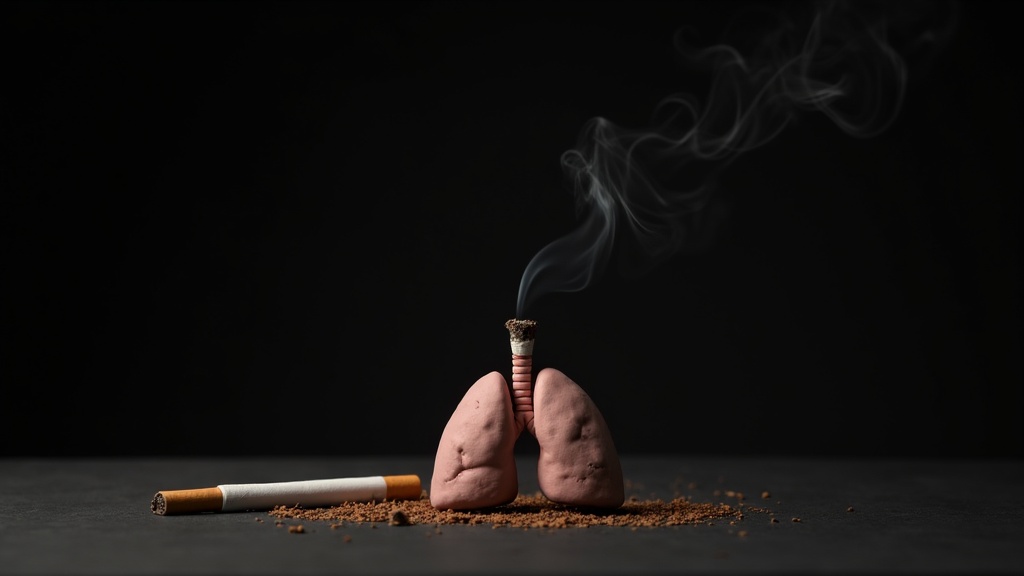
Doctors explained how smoking damages the lungs, starting with tiny cilia that keep your airways clean, and eventually causing so much harm that cancer cells can grow and spread. I saw my X-rays, a shadow where a healthy lung should be, and realized this wasn’t some abstract possibility. This was very real. It wasn’t just about me, either. My family, my friends, and everyone who cares about me were pulled into this with me. That’s something you don’t really see coming when you’re lighting up.
Understanding Lung Cancer: Breaking Down the Basics
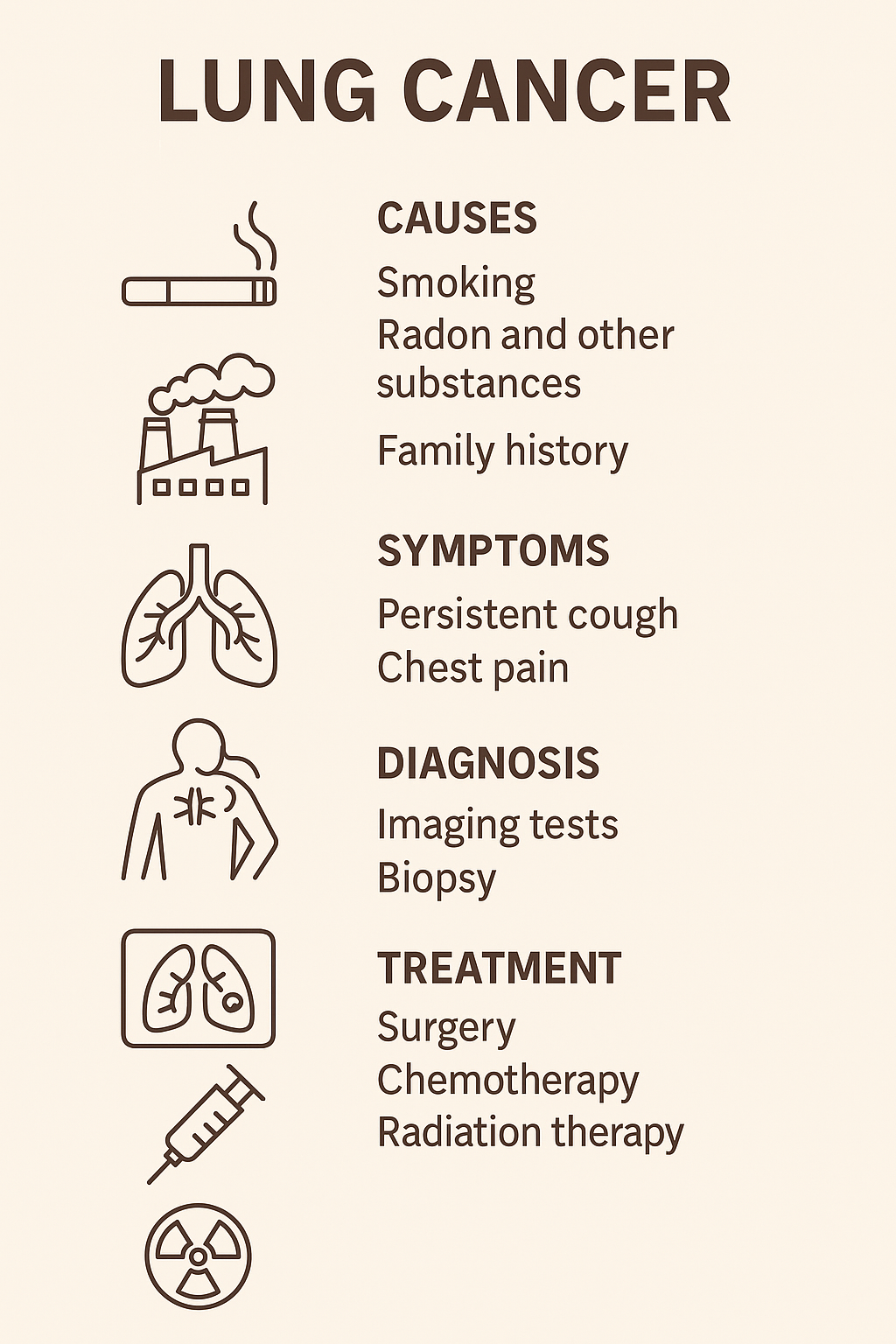
Lung cancer is not just a “smoker’s disease,” but tobacco still plays a gigantic role. About 80%–90% of lung cancer cases in the US are linked to cigarette smoking (American Cancer Society). The main problem is how smoking introduces thousands of chemicals into your lungs—some are downright poisons, and many are proven to mess with your cells. Over time, these chemicals damage the DNA in your lung cells, setting the stage for abnormal, cancerous growths.
Lung cancer usually doesn’t show up with big, obvious signs in the early days. That’s why so many people (like me) catch it much later, when it’s harder to treat. Common symptoms include a lingering cough, chest pain, shortness of breath, or coughing up blood. I ignored my cough for weeks, just assuming it was a virus or maybe allergies. If you smoke and notice even small changes in how you feel, pay attention. Early checks can make a difference.
The Real Risks: What Smoking Actually Does to Lungs
From my experience and what I’ve learned, here’s a simple breakdown of what smoking actually does inside your lungs:
- Hurts the Cilia: These are tiny hairlike structures that sweep out mucus and germs from your lungs. Smoking basically knocks them flat, making your lungs more open to infections and other problems.
- Causes Chronic Inflammation: Your lungs stay swollen and irritated, leading to things like chronic bronchitis and that classic smoker’s cough. Think of it like a constant, low-grade attack on your breathing.
- Triggers Mutations: Chemicals from smoke change your cells’ DNA, which is how cancer starts. Over years and decades, the risk goes up the longer and the more you smoke.
- Reduces Oxygen Exchange: Smoking makes lung tissue stiff and damaged, so you’re not getting as much fresh oxygen to your blood. This can leave you tired and short of breath, even doing basic stuff.
- Messes Up the Immune System: Your body has a tougher time fighting not just cancer but also all kinds of respiratory bugs, like colds and the flu.
I didn’t realize just how much damage adds up with every cigarette. Each puff is part of a slow, steady erosion of your lungs’ natural defenses.
Getting Help: What I Learned About Quitting
Honestly, I tried to quit several times before I got sick, but none of those attempts stuck for long. After my diagnosis, quitting was no longer just something on my bucket list. It was about surviving, about being there for my family, and about taking control of what I could. I know from experience: quitting is hard, but it’s possible and there is real help out there.
Here are a few things that actually made a difference for me:
- Nicotine Replacement: Using patches and gum helped turn down the cravings so they didn’t feel so overwhelming.
- Support Groups: Talking with other people who’ve been through this is a game-changer. Whether online or in person, sharing frustrations and little wins really helps.
- Professional Guidance: My doctor connected me with a counselor who specializes in addiction. That support helped unpack the habits and triggers that kept pulling me back to smoking.
- Distraction Techniques: I started going for short walks, chewing on carrot sticks, and keeping my hands busy with puzzles or crafts when the urge hit.
If you’re considering quitting, even just thinking about it is a step in the right direction. No shame if you slip up—a lot of people try a few times before it sticks. What matters is that you keep trying and lean on every bit of support you can find.
Challenges and Roadblocks When You Try to Quit
The hardest part about quitting wasn’t the nicotine for me—it was breaking the routine. Smoking gets tangled up with everyday habits: with coffee in the morning, after meals, when you’re stressed or bored. When I quit, it felt like I was losing a part of my day, or a go-to way of handling stuff. I dealt with mood swings, sleepless nights, and moments where a craving just showed up out of nowhere. But day by day, the cravings became a little less sharp.
Another thing nobody told me: people around you might not always be supportive. Some friends kept smoking around me, or made jokes that stung when I was really struggling. That’s why having a quitting “buddy” or a supportive family member on your side makes a world of difference.
When You Slip Up
Relapses can happen. I had a few myself. What I learned is not to treat a slip as a total failure. Instead, I focused on why it happened and how to switch things up next time. Some days were rough, but every craving I beat was proof I was moving forward.
Cravings and Triggers
For me, certain people, places, or even smells can trigger cravings. I found it helpful to change routines, avoid certain places if I could, and have a plan for what I’d do instead. The more tools you have ready, the less power those triggers hold over you. It helps to build new habits too; things like taking a walk or calling a friend when a craving hits can make a difference. Small rewards for each smoke-free milestone helped keep me motivated, whether it was a special treat or simply marking another day smoke-free on my calendar.
Myth-busting: Common Lies Smokers Hear (And What’s True)
Throughout the years, I believed and heard plenty of myths about quitting and lung cancer. Here are some I wish I’d challenged sooner:
- “It’s too late to quit.” Truth: Your body starts healing as soon as you stop. Risk drops even after a few smoke-free years. (CDC)
- “Light cigarettes or smoke less is safe.” Truth: Cutting back does help, but even small amounts keep harming your lungs. No cigarette is safe.
- “I can’t quit; I’ve tried before.” Truth: Many successful quitters made several tries before it stuck. The next attempt could be the one that works.
The Benefits I Noticed After Quitting (Even with Lung Cancer)
Giving up cigarettes improved my day-to-day life in more ways than I expected, even while dealing with cancer:
- I started breathing more easily and coughing less just a few weeks after quitting.
- Food tasted better, and my sense of smell came back stronger.
- I had more money in my pocket (cigarettes aren’t cheap!).
- My family felt less worried about secondhand smoke.
- I felt more in control, like I was actually fighting back instead of giving in.
Even with the damage done, quitting made a real difference in my quality of life and gave my body a chance to heal.
Common Questions About Smoking and Lung Health
A lot of people have questions when they start thinking about quitting or are worried about their lungs. These come up all the time:
Does quitting really matter if I already have lung cancer?
Yes, absolutely. Quitting can slow the damage, improve the effectiveness of your treatments, and boost your chances of feeling better for longer. Even after a diagnosis, quitting can improve your response to specific therapies and may lower your risk of developing new cancers.
How long does it take to notice benefits after quitting?
Some effects show up in days or weeks (less coughing, better breathing), while bigger risks like heart disease and further cancer drop steadily the longer you stay quit.
Are e-cigarettes or vaping a safer option than smoking?
Official research is still developing, but most experts agree these are not risk-free. Some chemicals in vaping liquids can still damage your lungs. If you’re trying to quit, talk to a health pro about the safest path. Remember, the goal is to be entirely smoke and vape-free for your best health.
Final Thoughts: The Biggest Lesson Lung Cancer Taught Me
The scariest thing about lung cancer is how fast it can turn your life upside down after years of thinking, “not me.” What I’ve taken away from all this is just how sneaky and damaging smoking really is, far more than any warning on a pack or commercial can explain. I wish I could go back and talk to my younger self, but the best I can do now is share what I’ve learned and encourage others to make the choice I put off for too long.
If you’re thinking about quitting or are worried about your lungs, talk to someone who’s been there, find support, and don’t give up. Every smoke-free day is worth it. Your future self will thank you; your loved ones will thank you, and you’ll have a better shot at living the kind of life you want. That’s a lesson lung cancer taught me. I hope it hits home for you, too.
Video: What I Learned Too Late About Smoking