HCP is one of the most talked-about cannabinoids that many people still haven’t tried—or even heard of. It’s gained attention for claims of unusually high potency and distinct effects compared to traditional THC. If you’re curious about how it was discovered, what research has found so far, and what to expect from products labeled THCP, this guide will give you a clear, practical overview.
What is THCP?
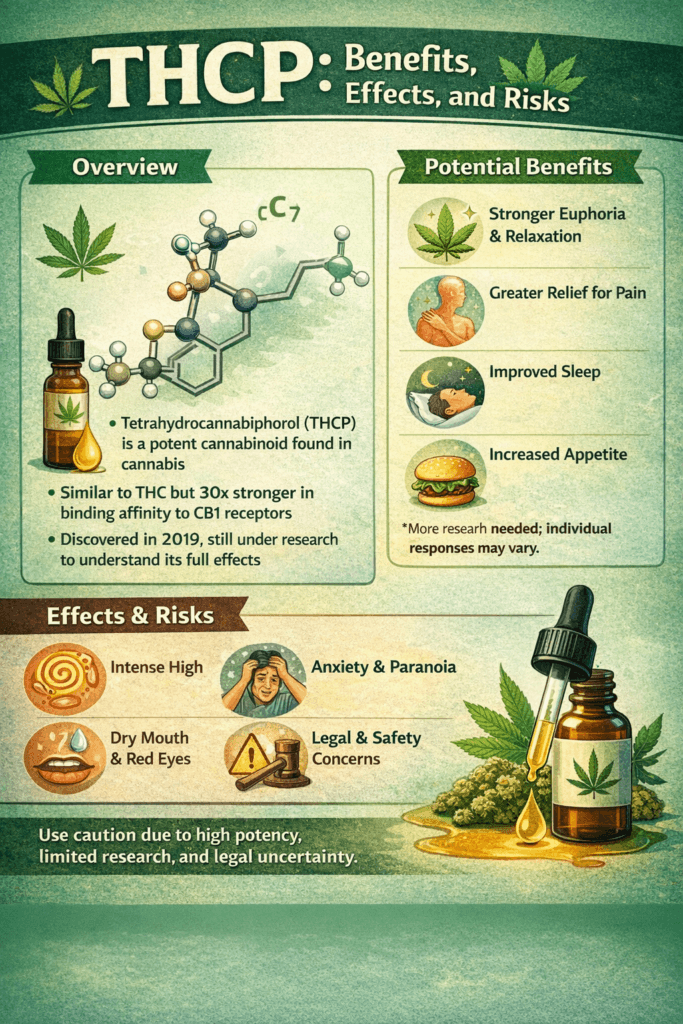
THCP stands for tetrahydrocannabiphorol. At first glance, it looks a lot like the more famous THC (also known as delta-9-tetrahydrocannabinol), which most people know as the main psychoactive ingredient in cannabis. But in terms of chemical structure, THCP has a longer side chain. This small difference seems to make a big impact on how it interacts with your body.
While THC is well studied thanks to decades of research, THCP was first identified by Italian scientists in 2019. This means that a lot of what we know is still pretty new and experimental. What immediately stood out was how strongly THCP binds to the body’s CB1 receptors. Lab tests showed it latches onto these receptors far more tightly than regular THC—reportedly up to 33 times more. Although this doesn’t necessarily mean it will feel 33 times more potent, it explains why many users report effects that are noticeably stronger or just different from typical THC experiences.
Where Does THCP Come From?
THCP does naturally occur in cannabis plants. However, it appears in such tiny amounts that you probably wouldn’t notice its effects from smoking a typical joint or consuming regular cannabis products. Most of the THCP available in products today isn’t extracted directly from the plant. Instead, it’s created in a lab, usually by modifying hemp-derived CBD or THC through a process called isomerization.
This kind of production is now common with many new hemp cannabinoids you see online or in vape shops. So, while products may claim to be hemp-derived, they are not exactly “natural” in the traditional sense. This means it’s extra important to know how your THCP is made and exactly what’s in it to avoid surprises or unwanted additives.
How Does THCP Work in the Body?
THCP and THC both work by interacting with the endocannabinoid system, a network of receptors that helps regulate things like your mood, appetite, sleep, and how you perceive pain. The CB1 receptor is the main target responsible for THC’s psychoactive effects.
The buzz around THCP starts with its high affinity for these CB1 receptors. The longer molecular tail helps it fit better and stick to the receptor longer, which means a stronger effect. Some animal studies and stories from users suggest that THCP can deliver much more potent psychoactive effects—even at smaller doses—compared to traditional THC. Still, human research is thin, and people can react very differently depending on individual body chemistry.
Potential Effects and What Users Are Saying
Because full peer-reviewed human trials haven’t yet been completed, we mostly rely on user experiences to gauge THCP’s effects. Here’s what’s commonly reported:
- Stronger and Longer Lasting Highs: Many users say THCP feels more intense than regular THC and acts quickly. The effects often last longer, which could be a plus or a drawback depending on your goals and tolerance.
- Deep Relaxation: Some users notice a powerful body high or sense of couchlock even with small amounts.
- Boosted Mood and Creativity: Like cannabis, THCP can spark creativity, lift your mood, or melt away stress, though sometimes so strongly that it can be overwhelming for people not used to it.
- More Pronounced Side Effects: Dry mouth, dizziness, and anxiety may happen, especially at higher doses. That’s why starting with less is always smart.
Keep in mind these effects can swing a lot based on the type of product, how much you use, and your own experience level with THC or other cannabinoids.
Things to Keep in Mind Before Trying THCP
THCP isn’t the best choice for everyone, especially if you’re new to cannabis or sensitive to THC. Here are some things to keep front and center:
- Potency and Dosage: Because THCP can feel much stronger, dosing can be challenging. Many experienced users recommend cutting your usual THC dose way down—sometimes by half or more—when you try THCP for the first time.
- Product Quality: Since most THCP is produced in labs, always seek third-party lab reports. These verify that you’re actually getting what the label promises and not being exposed to contaminants or fillers.
- Legal Status: Laws haven’t caught up with THCP yet. Some states and countries treat it the same as other psychoactive THC analogs. It’s wise to check local rules before testing it.
- Health and Interactions: Because science is still catching up, there’s not much detail on how THCP might interact with medications or existing health conditions. Those with mental health concerns or medical questions should ask a doctor first.
Potency and Side Effects
The main appeal of THCP is its strength; even tiny amounts can go a long way. That’s great for people chasing strong effects, but it also means a higher risk for unwanted effects like anxiety or feeling uncomfortable. If you tend to get nervous or paranoid with high THC doses, start slowly and consider having a friend nearby in case you need support the first time.
Product Quality and Lab Testing
Not all THCP is created equal. Some brands make a real effort to offer lab-tested and transparent products, while others skimp or cut corners. Lab results tell you not just about THCP or THC levels but also about safety—checking for leftover solvents, pesticides, or unwanted byproducts. Helpful resources like Project CBD or peer-reviewed studies are solid places to dig into research and safety info.
Legality – Is THCP Legal?
THCP operates in a somewhat legal gray area. In the U.S., products from hemp with less than 0.3% delta9 THC are technically allowed under the 2018 Farm Bill. However, whether THCP fits this definition everywhere is up for debate, and some states have cracked down on all psychoactive hemp-derived cannabinoids. Internationally, a lot of countries have blanket bans on THC analogs. So, always double-check the latest laws before buying or using THCP products.
How is THCP Consumed?
Thanks to growing interest, THCP shows up in a range of products:
- Vape cartridges and disposable vape
- Gummies and edibles
- Tinctures
- Dabs and concentrates
Dosing can differ a lot depending on the format, and with THCP, it’s even less predictable than with other cannabinoids. The safest approach is to start with a very small amount and give it time to see how it hits before taking more, especially with edibles or tinctures, since they take longer to kick in.
Comparing THCP with Other Popular Cannabinoids
Since there are so many new cannabinoids coming up, here’s how THCP compares to a few you might already know:
- THC (Delta9): Still the most studied and widely used psychoactive cannabinoid. The effects and potency are pretty well mapped out for most people familiar with cannabis.
- Delta8 THC: This delivers a gentler, clearer high and is popular with those who want to avoid the anxiety sometimes caused by delta9.
- HHC and THCO: These artificially created cannabinoids can also feel stronger or different, but safety info and user experiences vary a lot.
- CBD: Doesn’t deliver any psychoactive high. It’s more often used for general wellness or relaxation without intoxication.
Frequently Asked Questions
Still wondering if THCP could be for you. Or have questions about what to expect? Here are some popular questions and simple answers:
Is THCP safe to use?
It’s still early days, so an all-in-one safety profile isn’t available. So far, most side effects result from taking too much. To be on the safe side, start with low doses, choose trusted brands, and reach out to a healthcare provider with any concerns.
How long does THCP last?
Many users note that THCP’s effects often last longer than those of regular THC—sometimes anywhere from 6 to 8 hours, especially with larger doses or edibles.
Will THCP show up on a drug test?
Very likely, yes. Because conventional drug screenings check for THC metabolites, and THCP is chemically quite close, you’ll probably get a positive reading.
What to Keep in Mind If You’re Curious About THCP
If you’re considering testing THCP, safety, transparency, and product quality should be at the top of your list. Always check for up-to-date lab test reports, purchase only from reputable companies, and reach out to a professional if you have any medical or legal concerns. While there’s still a lot to learn about THCP, patience and caution are the keys to a positive experience.
As you check out cannabinoids like THCP, things get simpler when you stay informed and know what to expect. Whether you want to try something new or just satisfy your curiosity, go slowly and don’t rush it with anything this fresh and powerful. Wrapping up, as the cannabis world keeps stepping up, being informed remains your best tool for safe choices and a smooth ride.
Video: Why THCP is becoming the new THC #science #cannabis