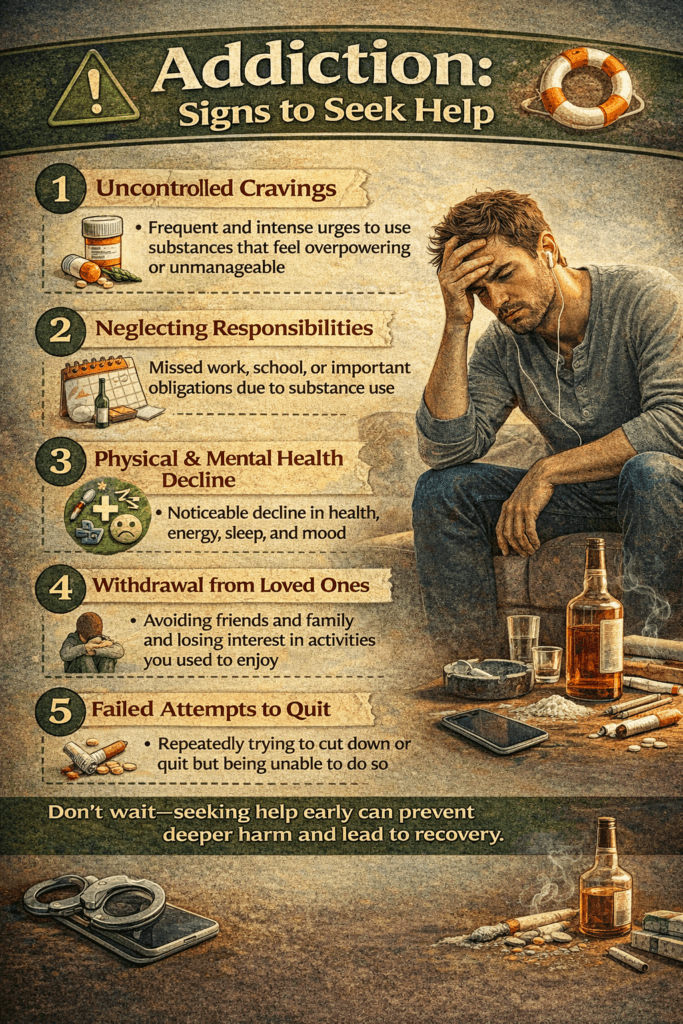
If you check out mental health resources or advice columns, you’ll notice the focus often falls on classic warning signs, like feeling sad all the time or having trouble getting out of bed. But sometimes the signals that you might need extra help are more unexpected. These uncommon signs hide in plain sight and don’t always fit the stereotypes you might see in movies or textbooks. I’ve come across plenty of people, myself included, who only realized something was going on after noticing these less-talked-about patterns. If you’re curious about what signs to watch for, I’ll unpack five uncommon signs that you should consider reaching out for support.
Why Uncommon Signs Matter
People are quick to recognize sadness, worry, or fatigue as reasons to get support, but unusual or subtle signs can slip past your radar. These less familiar symptoms might not seem like red flags at first, since they often feel like quirks or bad habits. But ignoring them can delay recovery and make things tougher down the road.
Research from organizations like the National Alliance on Mental Illness (NAMI) points out that early intervention really helps with both mental and physical health. Picking up on these signs can give you the nudge needed to seek help early, making treatment smoother and outcomes better (NAMI). I’ve seen people go from just coping to genuinely improving after spotting an uncommon sign that prompts them to sit down with a counselor or doctor, and that small push often leads to better results than you might expect.
The 5 Uncommon Signs You Shouldn’t Ignore
While almost everyone feels “off” once in a while, recurring or persistent changes in your mood or behavior, especially the weird or unexpected stuff, can be worth a second look. So, here’s a rundown of five uncommon signs you should probably keep in mind:
- 1. Loss of Interest in Small Pleasures
Everyone has off days, but if you keep finding yourself uninterested in small everyday things that once brought a little joy, it might be more than just a bad mood. For example, if your morning coffee, your favorite playlist, or chats with friends feel like just chores or fall flat, it might be a subtle hint that your mental health needs attention. This switch often happens quietly, which makes it easy to miss, especially when your schedule is otherwise normal.
- 2. Unusual Physical Aches and Pains
It’s easy to blame headaches, stomach issues, or backaches on poor posture or a bad meal. But persistent, unexplained physical discomfort, without a clear medical cause, can be connected to mental health, especially anxiety and depression. Bodies and minds are linked, so when mental stress builds up, physical symptoms often show up in weird places. If doctors can’t find a reason for your aches and the pain sticks around, it might be time to talk to a mental health pro. For example, people sometimes notice chest tightness or muscle stiffness that doesn’t go away even after rest, which might stem from stress or hidden worry.
- 3. Constant Irritability or Annoyance
If little things make you lose your cool more often than before, or loved ones say you seem pricklier lately, it might be more than just having a “short fuse.” Irritability doesn’t get much attention as a mental health symptom, but for many people, especially men or teens, it’s a common way that anxiety, depression, or even burnout show up. When you’re always on edge or feeling easily annoyed by stuff that usually wouldn’t bother you much, it’s probably a sign to pause and check in with yourself. This kind of mood can slowly drain your energy, make relationships tougher, and even affect sleep or focus at work and school.
- 4. Obsessing Over Routine or Perfection
It’s normal to want things done a certain way, but when routines, checklists, or even cleaning take over your day and leave no room for flexibility or fun, it might signal something deeper. Some folks develop new rituals or routines as a quiet coping tool for stress, anxiety, or even early OCD. If rule following or habits become a “have to” instead of a “want to,” or if imperfections spark a ton of anxiety, it’s smart to talk with someone about what’s going on. Over time, these patterns can make daily life more stressful, limit your ability to relax, and take the enjoyment out of hobbies you once loved.
- 5. Social Withdrawal in Subtle Ways
Ducking out of big parties is one thing, but if you start ghosting texts, skipping events you usually love, or avoiding even small talk because it just feels draining, that’s worth noticing. Social withdrawal doesn’t always mean locking yourself away. Sometimes it looks like keeping busy to avoid emotional connections, or joking your way out of real conversations with friends or family. Noticing these habits can help you spot early signs of stress, depression, or burnout. Over time, pulling back from others can create feelings of loneliness, which only adds to mental distress and can make recovery longer if you don’t reach out.
Extra Context: Why These Signs Happen
Uncommon signs pop up for a bunch of reasons. Sometimes, your mind tries to mask what’s really going on, and other times, weird symptoms are just your body’s way of saying “something’s not right.” Things like chronic stress, hidden trauma, hormonal changes, or long-term tiredness all play a role. For example, major life changes, relationship issues, or even moving cities can trigger symptoms that don’t quite match traditional mental health checklists.
Pretending that these weird patterns are “just life” or that you’ll snap out of them on your own is pretty common. But mental health rarely fixes itself overnight, and subtle changes often snowball into bigger issues if left unchecked. Talking openly about these signs can make it easier for folks to catch them early, so you don’t have to wait for a crisis before reaching out to someone for advice or support.
Kick-Start: What to Do if You Notice These Signs
If any of these signs sound familiar, it can be tough to decide what to do next. Here’s a basic plan to help start the process:
- Keep a Simple Journal: Jot down symptoms or patterns—what you felt, when you noticed it, and what was happening. This makes it easier to spot patterns and talk them through with a pro.
- Talk to Someone You Trust: Even one honest chat with a friend, family member, or loved one can help you process what’s happening and feel less alone. Sometimes an outside eye spots changes you miss in yourself.
- Check In with Your Doctor: Don’t be afraid to mention these symptoms at your next physical, even if they don’t seem “serious.” They can recommend a counselor or give advice specific to your needs.
- Tap into Helplines or Mental Health Services: Plenty of organizations offer text, chat, or phone support for those not ready for face-to-face talks. Try the 988 Lifeline for confidential help in the US.
- Look at Lifestyle Basics: Sleep, nutrition, exercise, and avoiding overuse of alcohol or drugs all have more power than you’d think. Sometimes small adjustments, like sticking to a sleep routine or taking regular walks, can ease symptoms or show you that more support is needed.
Common Obstacles (and How to Handle Them)
Reaching out can feel awkward for plenty of reasons, especially when the signs aren’t obvious. Here are a few popular worries and some practical ideas that have helped me and others work through them:
- “It’s Probably Nothing.” Sometimes people feel like their concerns aren’t “bad enough” to ask for help. You don’t need a diagnosis to get support; mental health is all about how you feel every day, not just labels.
- Fear of Judgment. Worrying about what others might think is a popular roadblock. Confidential resources and anonymous hotlines can help if you’re not ready for a face-to-face conversation yet.
- Not Knowing Where to Start. Even just talking to a general doctor or exploring mental health sites like MentalHealth.gov can connect you to resources and options tailored to your needs.
- “I Should Be Able to Handle This Alone.” The idea that you need to tough it out might hold you back, but everyone deserves support. Even professionals, like therapists and doctors, check in with others when things get tough. Remember, there’s strength in asking for help, not just in pushing through on your own.
Making Sense of Your Experience
Uncommon signs are unique to everyone, so it’s normal if you notice some but not all. Trusting yourself when you feel “off” is really important. You don’t need to wait for something drastic. Early action makes a big difference, both in reducing stress and in making you feel better about where you are. For more daily insights and useful tools, the Anxiety and Depression Association of America offers practical resources to understand and manage symptoms. It’s a good reminder that mental health changes are a part of being human, and most people can benefit from extra support at some point in their lives.
Remember, just because your experience doesn’t match what’s in a textbook doesn’t mean it isn’t real. If these or any other odd patterns keep showing up for you, don’t hesitate to check in with a mental health professional. Your story matters, and recognizing these not-so-common warning signs might be just what you need to get back on track.
Frequently Asked Questions About Uncommon Warning Signs
Question: Is it normal to only have physical symptoms like headaches or nausea without feeling sad?
Answer: Yes, for some people, mental health issues show up as physical symptoms only. If a doctor rules out other causes and symptoms persist, consider talking to a mental health provider.
Question: How do I know when to reach out for help?
Answer: If a behavior, feeling, or symptom lasts more than a couple of weeks, affects your daily life, or just raises a red flag for you, that’s a good indicator to check in with a professional, even if the issue seems small.
Question: What should I do if my friend shows one of these signs?
Answer: Reach out gently and show you care. Mention you’ve noticed some changes and offer to listen or help them connect with support if they want it.
Question: Can these signs come and go?
Answer: Yes, symptoms can change or sometimes disappear for a while. If they show up repeatedly or become more intense, that’s a signal not to ignore them.
Video: These Addiction Warning Signs Are Sneaky #facts #health #awareness