The 5 L Framework of Addiction

The 5 L’s of Addiction—Liver, Lover, Livelihood, Legal, and Loss of Control—provide a practical framework for understanding how substance use disorders affect multiple dimensions of life simultaneously. Rather than viewing addiction solely as a health issue, this model highlights its widespread impact on physical well-being, relationships, stability, societal standing, and personal autonomy. Each “L” represents … Read more

The Hijacked Brain in Addiction

The science of the hijacked brain in addiction reveals that substance use disorders are not simply matters of willpower or poor decision-making, but conditions rooted in measurable changes within brain circuitry. Repeated exposure to addictive substances alters systems responsible for reward, motivation, stress response, and impulse control. Dopamine signaling becomes dysregulated, natural pleasures lose their … Read more

Sober Activities for Recovery

Sober hobbies are vital in addiction recovery because they help rebuild identity, restore natural reward pathways, and add structure to daily life. Addiction often replaces meaningful activities and relationships with substance-focused routines, leaving many people feeling bored or emotionally flat when sobriety begins. This is part of the brain’s healing process as dopamine systems recalibrate. … Read more

Motivation in Addiction Treatment

Motivational Interviewing (MI) techniques play a vital role in addiction coping strategies by helping individuals navigate ambivalence, strengthen motivation, and build confidence for change. Rather than relying on confrontation or pressure, MI emphasizes empathy, collaboration, and respect for autonomy. When applied across self-management, family support, and community resource strategies, motivational interviewing creates a consistent, supportive … Read more

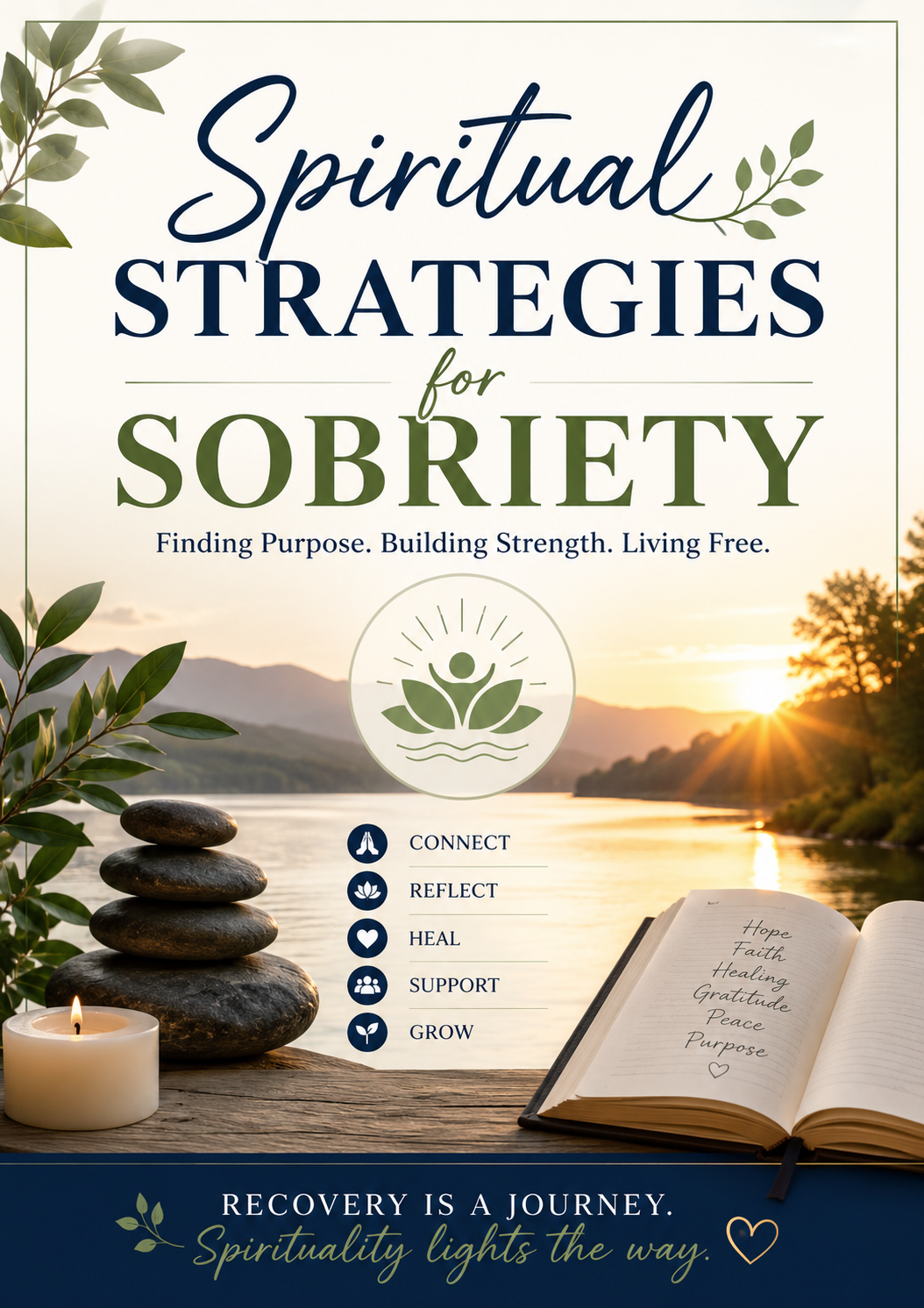
Spiritual Malaise in Recovery

Spiritual malaise is a common yet often overlooked dimension of addiction that affects many individuals during active substance use and throughout recovery. It is experienced as a deep sense of emptiness, loss of meaning, inner disconnection, or spiritual fatigue that persists even after physical withdrawal and psychological stabilization. Addiction can erode a person’s sense of … Read more

Faith & Recovery for the Homeless

Faith-based addiction programs for the homeless play a significant role in addressing the complex intersection of substance use, homelessness, trauma, and social exclusion. These programs often provide shelter, food, community, and recovery support grounded in spiritual values such as compassion, hope, accountability, and service. For many individuals, faith-based approaches offer meaning, belonging, and moral structure … Read more

Addiction Counseling: 12 Functions

Addiction counseling requires skill, consistency, and a real commitment to create lasting change for people. The 12 Core Functions of Addiction Counseling provide a clear roadmap that guides counselors through every stage of treatment. From initial contact through ongoing support, aftercare, and relapse prevention, these functions help ensure that care is ethical, organized, and effective. … Read more

The Three-Fold Disease Of Addiction

Addiction can be a tough and confusing topic to understand because it isn’t just about what someone is using or doing too much. It’s about what’s happening inside a person on different levels. When people talk about the “threefold disease of addiction,” they’re pointing to a way of understanding addiction that covers the body, mind, … Read more

The 4 C’s of Mental Health

Mental health can feel like a tough puzzle to sort out, but there are some simple ideas that can really help build a stronger foundation. When I think about what makes up good mental health, I always come back to four main things: Connection, Communication, Coping, and Confidence. I call these the 4 C’s of … Read more

The 7 Sins in Addiction

Addiction is a topic that gets a lot of attention, but most conversations focus on substances, behavior, or biology. There’s another side that’s just as important to think about—what I call the “7 sins” in addiction. These aren’t traditional sins in a religious sense but more like thinking patterns and habits that pull people deeper … Read more