Guilt and shame lead to Addiction

In addiction prevention, acknowledging the potent impact of guilt and shame is essential. Stemming from a sense of responsibility and inadequacy, these emotions significantly contribute to addiction development. This exploration delves into how guilt and shame act as precursors to addictive behaviors, highlighting the need for preventive strategies. We’ll uncover self-management techniques for empowerment, explore … Read more
PTSD leads to Addiction

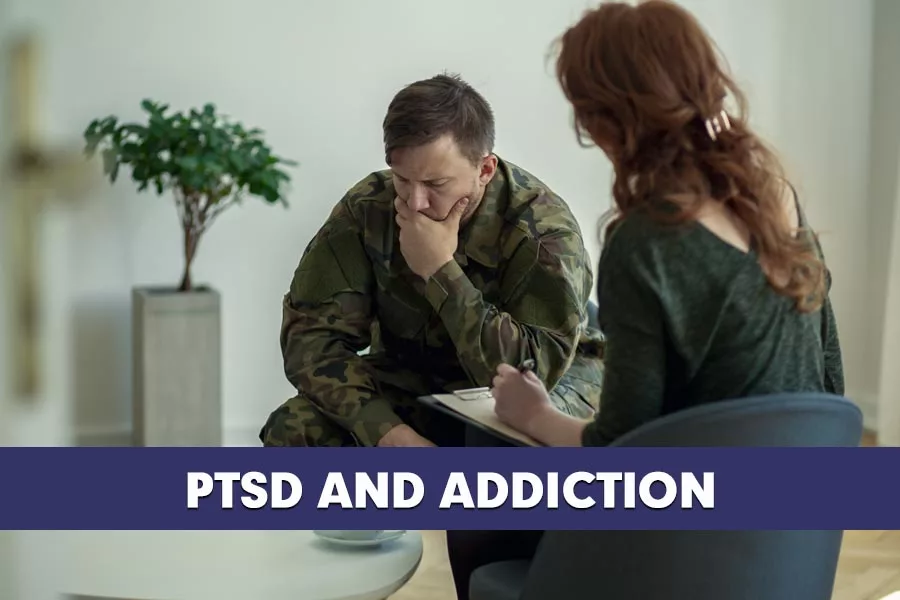
Post-Traumatic Stress Disorder (PTSD) poses a formidable challenge, often intertwined with the risk of addiction. Individuals grappling with trauma may be susceptible to substances or maladaptive behaviors as coping mechanisms. Navigating this complex terrain requires effective strategies, including self-management, family support, and community resources. This exploration delves into the interconnected realms of PTSD and addiction, … Read more

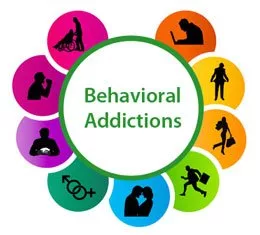
Breaking Behavioral Addiction

Addictive behaviors, including substance abuse and behavioral addictions, are closely tied to cultural influences and the accessibility of substances or activities. Cultural norms shape societal attitudes towards addictive behaviors, influencing their prevalence, while the availability of these stimuli significantly affects individual engagement. Recognizing this interplay is essential for effective prevention efforts. This introduction delves into … Read more

Obsession vs Addiction

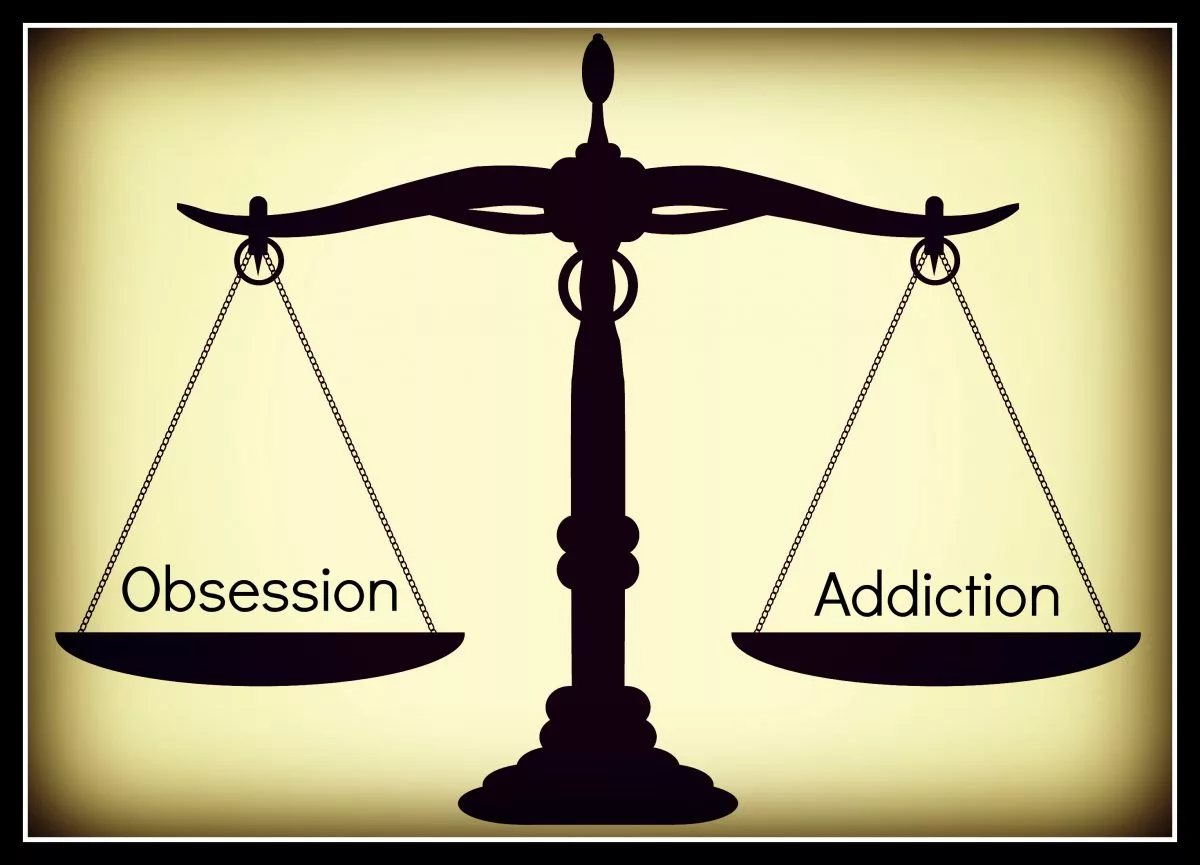
Understanding the delicate balance between obsession and addiction is essential for those navigating mental health challenges. Obsession, marked by persistent thoughts, and addiction, characterized by compulsive behaviors, share a nuanced relationship. Differentiating between the two is key, as not all obsessions lead to addiction. This exploration delves into the meanings of obsession and addiction, emphasizing … Read more

Grieving leads to Addiction

Grieving, a profound journey laden with complex emotions, poses the risk of individuals turning to addiction as a coping mechanism in the face of loss. This exploration delves into strategies for prevention and support, encompassing individual self-management, the pivotal role of family support, and the expansive network of community resources. By addressing the interconnected aspects … Read more

Five Elements of Addiction

Examining addiction through the lens of the five elements—feeling different, preoccupation with the behavior, temporary satiation, loss of control, and negative consequences—offers a holistic framework for understanding this intricate issue. Beyond clinical applications, these components guide self-management, family support, and community interventions. However, their use poses ethical dilemmas related to stigmatization and oversimplification. This exploration … Read more

Four Components of Addiction

The 4 C’s—Craving, Loss of Control, Compulsion, and Continued Use Despite Consequences—constitute a vital framework for understanding addiction. These elements guide effective strategies in clinical, self-management, family support, and community contexts. Navigating the 4 C’s illuminates their role in empowering individuals, strengthening familial bonds, and guiding community interventions. Recognizing their significance is crucial for comprehensive … Read more

Vaping leads to addiction

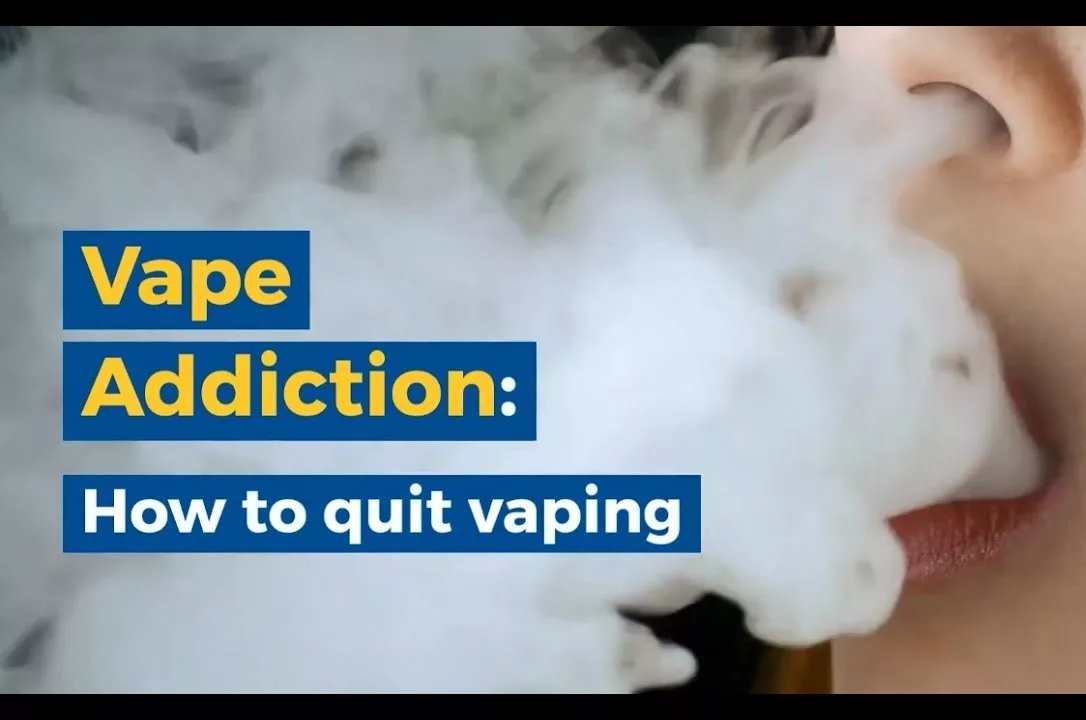
Vaping, the inhalation of aerosolized substances through electronic cigarettes, presents a significant challenge due to its addictive nature, driven by nicotine content and aggressive marketing. This phenomenon has raised health concerns, impacting respiratory and cardiovascular well-being. Addressing vaping requires a comprehensive strategy involving self-management, family support, and community resources. This introduction explores the addictive properties, … Read more

Stages of Change Model

The Stages of Change Model is vital in addiction therapy, offering a structured approach to behavior change for individuals with substance use disorders. Rooted in readiness for change, it tailors interventions based on the individual’s stage, emphasizing client-centered care. Despite its success in treatment engagement, motivation enhancement, and guiding relapse prevention, challenges like oversimplification and … Read more

Dangers of Drug Combinations

The pervasive misuse of drug combinations poses a serious public health challenge, as individuals increasingly engage in the simultaneous use of various substances, leading to heightened overdose risks. Motivated by a spectrum of factors, from seeking enhanced effects to self-medication, polydrug use has become alarmingly common. This trend raises concerns, particularly due to the potential … Read more