Women Issues: Addiction Recovery

Navigating addiction recovery is a complex journey, especially for women who face unique challenges stemming from trauma, societal pressures, and caregiving responsibilities. Effective self-management, strong family support, and access to community resources are essential to support women in their recovery. By addressing these issues and implementing tailored strategies, we can empower women to overcome obstacles, … Read more
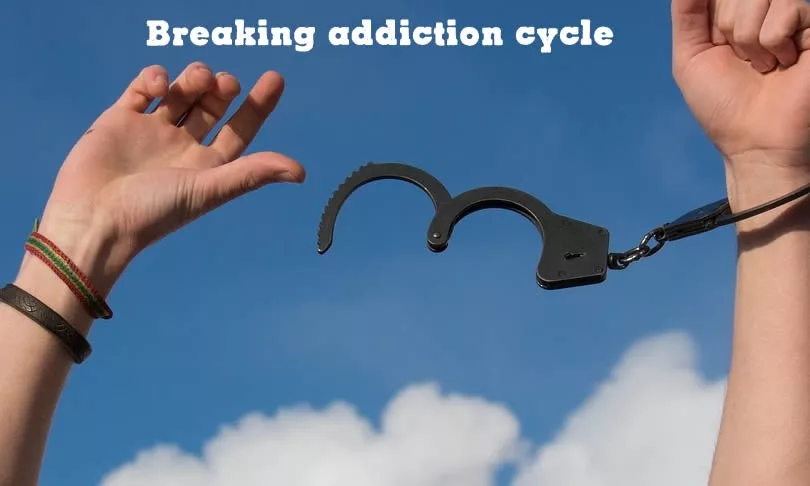

Dismantle the Addiction Cycle

Breaking the cycle of addiction within families requires a comprehensive approach that includes self-management, family support, and community resources. By empowering individuals to address underlying factors, foster healing, and promote recovery, this journey can lead to resilience and growth. Through self-care practices, open communication, and access to community support services, families can break free from … Read more

Challenges in addiction recovery

Navigating early drug addiction recovery presents myriad challenges, from managing withdrawal symptoms to coping with cravings and emotional instability. However, individuals can develop healthy coping mechanisms and resilience with effective self-management strategies. Family support offers crucial empathy and accountability, while community resources provide access to treatment programs and vital services. Together, these elements form a … Read more

Procrastination: Addiction recovery

Procrastination is a significant challenge in addiction recovery due to a lack of progress and motivation. This essay explores how self-management, family support and community resources can help overcome procrastination. Individuals in recovery often struggle with delays in seeking help or neglecting self-care due to procrastination. Through self-management techniques, individuals can cultivate awareness and accountability. … Read more

Set Boundaries: Addiction recovery

Establishing boundaries is crucial for protecting sobriety and fostering healthy relationships in addiction recovery. This essay explores the significance of boundary-setting, encompassing self-management, family support, and community resource strategies. Through self-management, individuals assert their needs and practice self-care, while family support and community resources provide encouragement and access to services that reinforce boundary-setting efforts. By … Read more

Unloved Childhood led to Addiction

Childhood experiences profoundly shape an individual’s trajectory in life, influencing emotional well-being, coping mechanisms, and vulnerability to addiction. In particular, growing up in an environment devoid of love and nurturing can have far-reaching consequences, potentially leading to addiction later in life. This essay explores the intricate relationship between unloved childhood experiences and addiction, delving into … Read more

Addiction therapy: Teen access

The lack of access to addiction therapy for teens has challenges spanning various sectors. From limited pediatrician training in addiction medicine to inadequate community resources and government support, barriers abound, hindering teens from accessing the help they need. Additionally, family support strategies play a crucial role in facilitating access to therapy for teens struggling with … Read more

Pride versus Humility

In addiction recovery, pride and humility play pivotal roles, with pride often hindering progress while humility fosters growth. Recognizing the detrimental effects of pride, individuals can take steps to cultivate humility. This involves self-management strategies, family support, and community resources that foster introspection, understanding, and connection. By embracing humility, individuals can navigate recovery with resilience … Read more

Humility in addiction recovery

In addiction recovery, humility is pivotal, guiding individuals towards acceptance, growth, and healing. It involves acknowledging limitations, embracing vulnerability, and seeking support. Humility’s actions promote self-awareness, accountability, and learning. Strategies for self-management, family support, and community resources foster this journey. Through humility, individuals navigate addiction with grace, resilience, and a path toward lasting sobriety. Embracing … Read more

Hopelessness in addiction disease

In addiction, hopelessness poses a significant challenge to recovery. Recognizing its symptoms—loss of interest, negative self-talk, and isolation—is crucial. Often linked with mental illnesses like depression, hopelessness requires comprehensive management. Self-management strategies empower individuals to challenge negativity, while family support and community resources provide additional avenues for assistance. Together, these approaches offer a comprehensive strategy … Read more